$80 Billion Capital Base Anchors Kurdistan’s Expanded Gulf Investment Push
Iraq’s Kurdistan Region is pushing to expand its foreign capital inflows beyond traditional sectors, targeting renewed institutional commitments from the UAE and Saudi Arabia. Data from the Kurdistan Region’s Board of Investment shows the territory has logged more than 1,650 licensed projects valued at approximately $80 billion since 2006.
Of that total, foreign direct investment and joint ventures account for roughly $14 billion (AED 51.4 billion). Capital from the UAE, Saudi Arabia, Türkiye, Europe, and the United States has largely concentrated in manufacturing, real estate, tourism, trade, and agriculture. Erbil is now attempting to redirect coming private equity into infrastructure, renewable energy, logistics, and agricultural technology, positioning the territory as a commercial corridor linking the Gulf, central Iraq, Türkiye, and European markets.
Regional Diplomacy Drives Sector Diversification
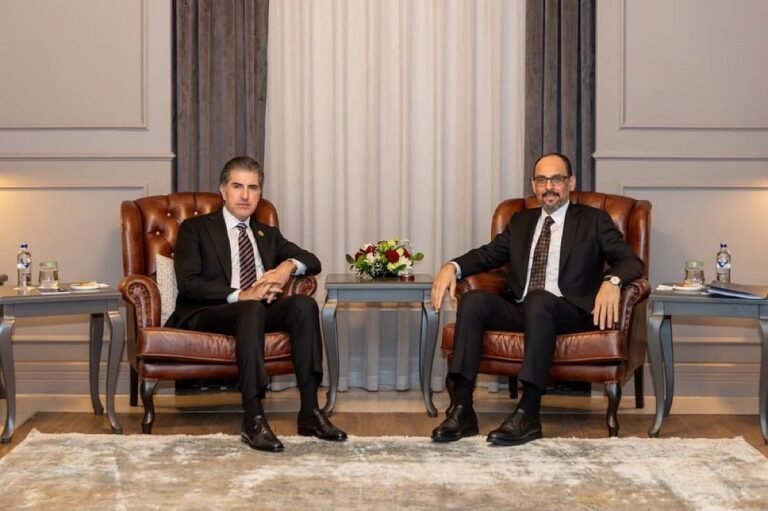
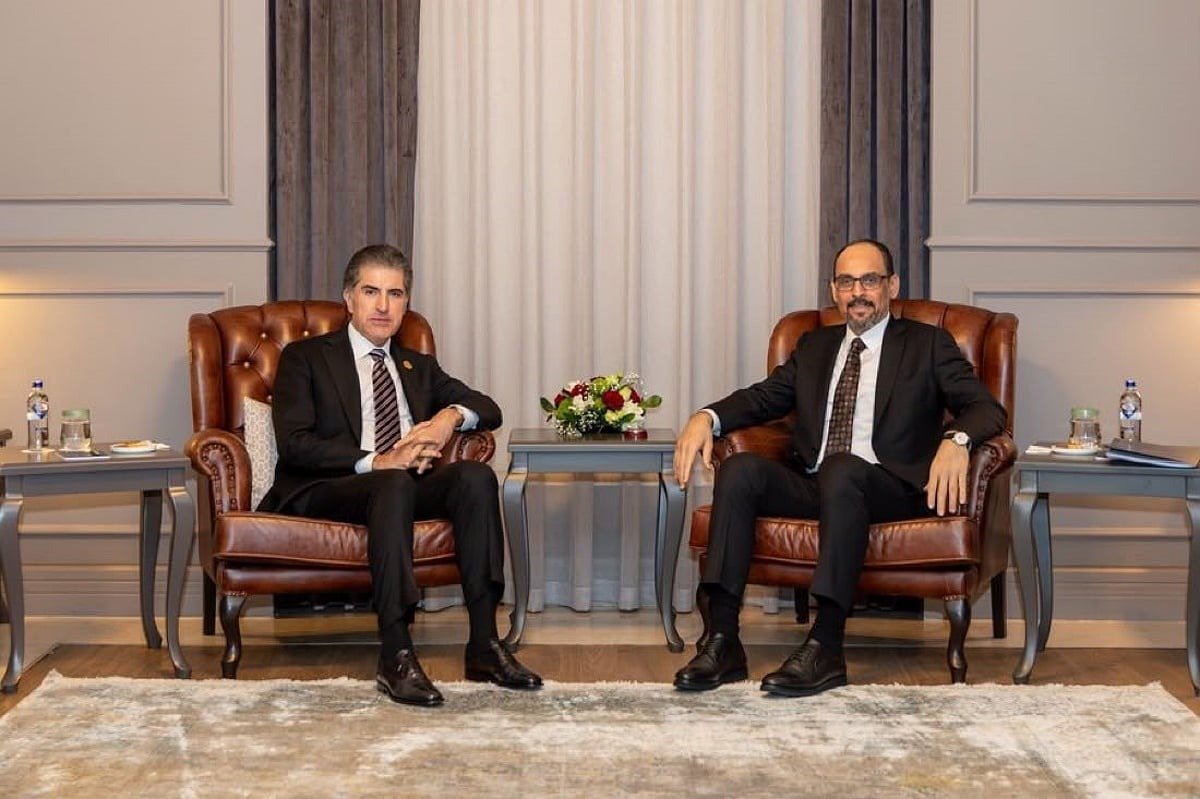
The economic push comes as Kurdistan Region President Nechirvan Barzani stepped up diplomatic engagements at the Antalya Leaders’ Summit during COP31, following an invitation from Turkish President Recep Tayyip Erdogan. Discussions with European Commission President Ursula von der Leyen centered on climate cooperation and environmental infrastructure, while talks with Ibrahim Kalın, head of Türkiye’s National Intelligence Organisation, addressed trilateral relations between Ankara, Baghdad, and Erbil.
Water management and sustainable infrastructure have surfaced as immediate practical targets for cross-border joint ventures. The region is developing two major water security developments: the Gomaspan dam, with a planned storage capacity of 97.5 million cubic metres, and the Dwin dam, planned for 100 million cubic metres. Officials are pitching these assets to Gulf-based developers and firms specializing in commercial irrigation systems, large-scale food processing, and agritech.
The underlying thesis for regional investors relies on geographic positioning: access to Iraq’s internal market combined with established transport links into Türkiye. The region’s licensed portfolio offers documented operational scale across real estate and trade. The challenge for cross-border capital lies in maintaining political and regional stability, which remains central to securing long-term foreign direct investment across complex infrastructure projects spanning multiple sovereign boundaries.