Kinetic Track Vibrations Set to Power Dubai Metro Monitoring Systems
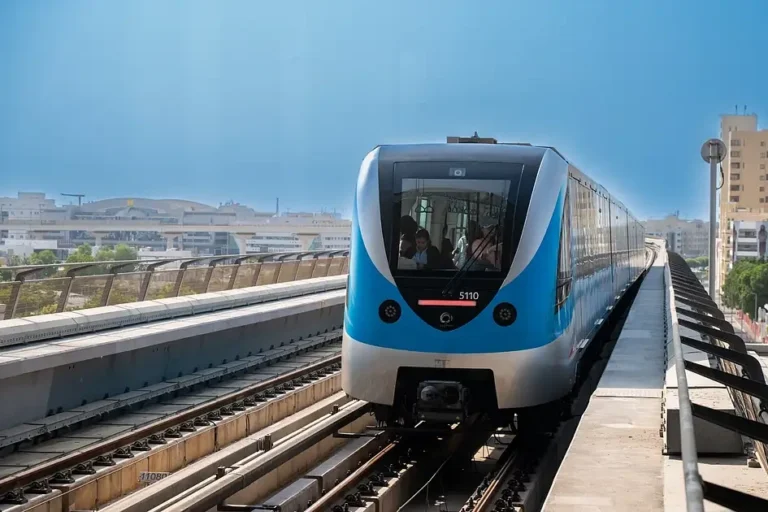
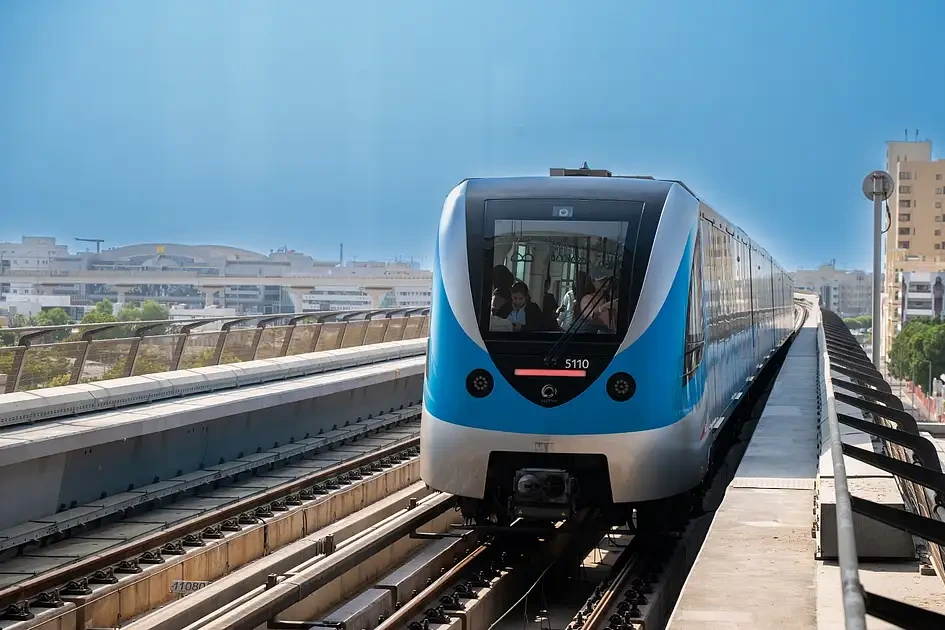
Vibrations generated by passing Dubai Metro trains could soon produce electricity to run autonomous monitoring systems across the rail network under a new initiative from the Roads and Transport Authority (RTA). The project, launched in partnership with Amity University Dubai, utilizes a desert-resilient piezoelectric system to harvest kinetic energy directly from train corridors to support specialized trackside equipment rather than supplying power to the Metro trains themselves.
Roadside Wind Devices and Cooling Pavements Expand Energy Network
Showcased during Dubai Future Week, the rail initiative forms part of the RTA’s Research, Development and Innovation Strategy 2030, which was established in October 2025 around pillars of safety, sustainability, seamless mobility, and operational excellence. Beyond rail kinetic harvesting, the authority displayed a roadside wind-energy model labeled Vertaxis Clean Energy, designed to capture airflow generated by passing traffic along road margins and rail tracks to operate traffic signals or feed power directly into the grid.
RTA’s university collaborations also extend into heat-reduction and urban transport infrastructure. A joint project with the American University of Ras Al Khaimah explores a hybrid solar-energy and pavement-cooling system to lower surface heat on roads, while research with New York University Abu Dhabi focuses on solar cooling and carbon-reducing pavements. Additional projects include University of Wollongong in Dubai research into bio-luminescent road markings for nighttime visibility, NYU Abu Dhabi and Khalifa University studies on optimized shaded pedestrian routes to Metro stations, and a proof-of-concept battery-swapping system for electric delivery motorcycles developed alongside Terra.
The clean energy research aligns with ongoing infrastructure trials aimed at integrating zero-emission technologies across municipal transport networks.