BAAJA 2026 Vote Nears as Senate Overhauls US Permitting Rules
The US Senate prepares for a key floor vote on the Bipartisan American Affordability and Jobs Act of 2026, a sweeping legislative package designed to accelerate major infrastructure projects by limiting legal challenges under foundational environmental statutes. Environmental organizations, Native American coalitions, and industrial sectors face a fast-moving legislative timeline as the bill moves toward potential floor action ahead of the Thanksgiving recess.
Modernizing the Grid While Curbing Legal Hurdles
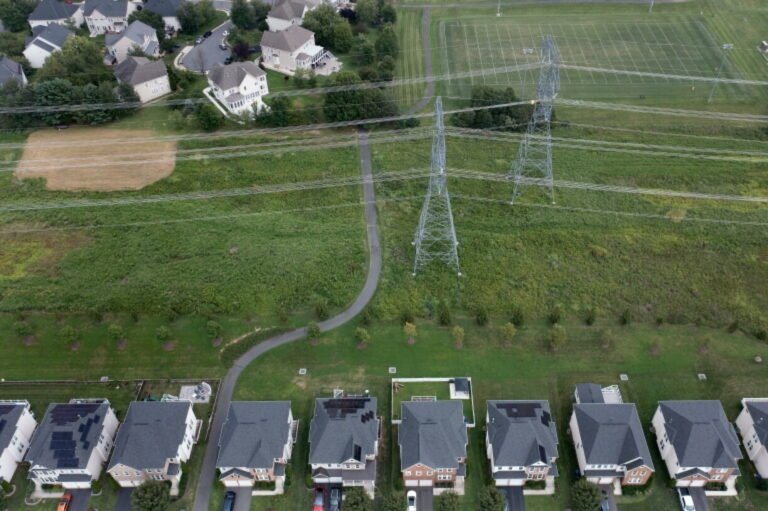
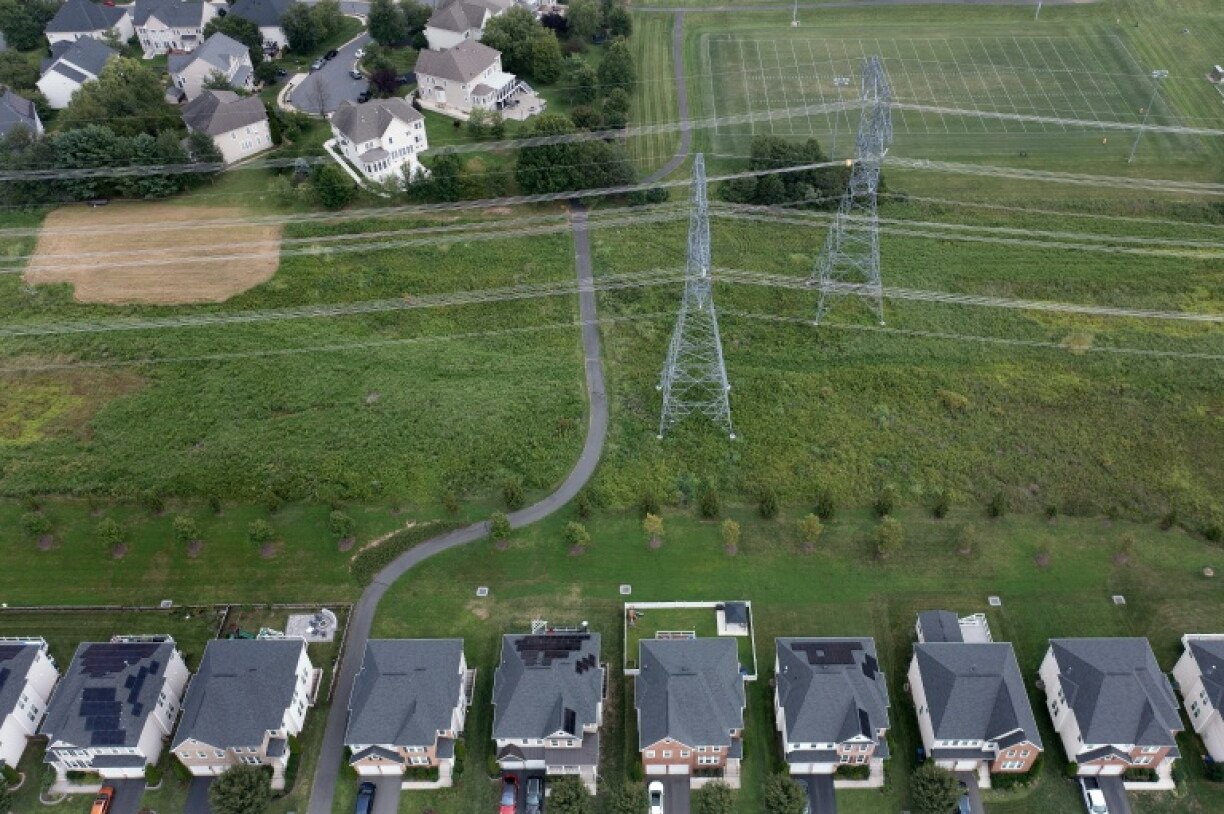
Introduced in September by Democratic Senator Sheldon Whitehouse of Rhode Island and Republican Senator Shelley Moore Capito of West Virginia, the legislation aims to modernize an aging electrical grid increasingly strained by artificial intelligence data centres, electric vehicles, heat pumps, and extreme weather. BAAJA requires utilities to upgrade transmission lines and deploy advanced technologies while forcing data centres to shoulder the financial burden of their grid impacts. The bill also restricts presidential authority to discriminate among energy sources, a measure designed to prevent future administrations from abruptly blocking renewable installations or fossil fuel pipelines.
Proponents argue that streamlining the decades-old tangle of overlapping laws is vital for delivering electricity from desert solar farms and offshore wind projects to high-demand areas. A source familiar with the negotiations emphasized that prolonged permitting delays leave the nation with no time to lose as carbon emissions continue to climb.
Environmental and Legal Safeguards Under Fire
Despite bipartisan backing for its grid modernization measures, the bill faces fierce opposition from environmental advocates and Native American groups who object to its systematic rollbacks. BAAJA limits challenges under major statutes including the National Environmental Policy Act, the Clean Water Act, the National Historic Preservation Act, and the Endangered Species Act. Erik Olson, an attorney monitoring the legislation, stated that environmental organizations formally oppose the current draft due to its weakening of core ecological safeguards and unresolved concerns regarding water pollution provisions.
Following the anticipated Senate vote, the legislation will advance to the House for consideration.