Electric planes hit milestone test flights in the US and China
Heart Aerospace and COMAC have achieved landmark electric aviation milestones following separate test flights in the United States and China that give engineers real-world data for zero-emission regional aircraft. Aerospace engineers and regional aviation sector analysts are tracking the developments as both programmes clear early regulatory hurdles without carrying paying passengers yet.
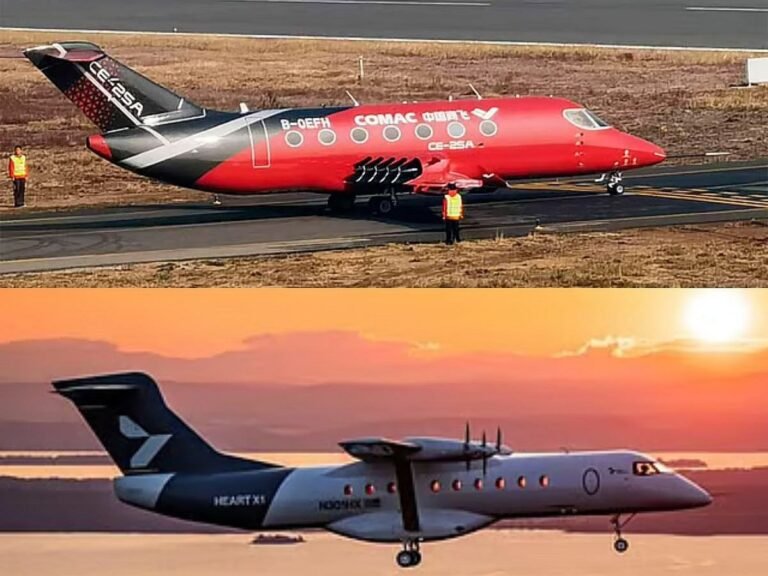
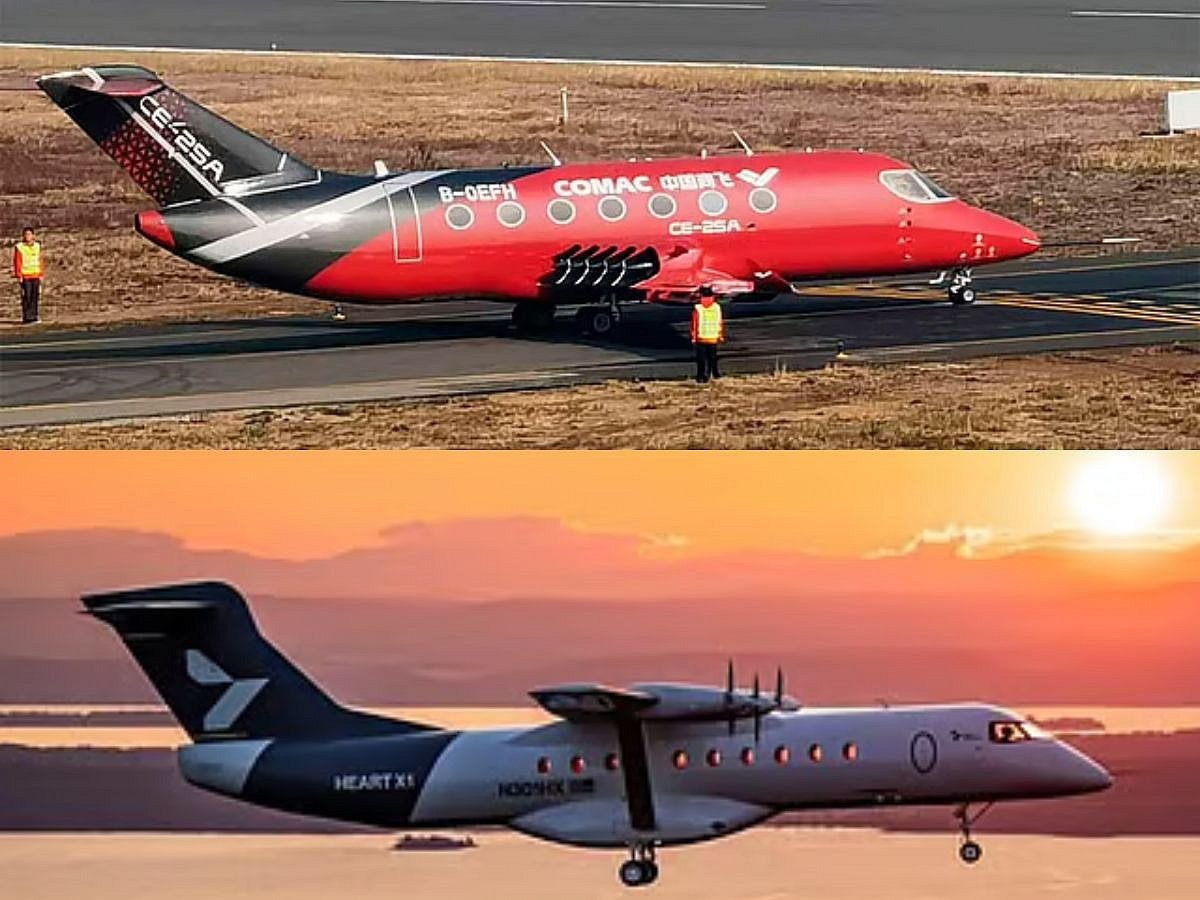
Heart’s X1 demonstrator flew for 27 minutes on battery power while China’s CE-25A logged its first piloted run.
Heart Aerospace flew its full-scale X1 demonstrator on August 12, 2026, from Plattsburgh International Airport in New York. The 11.3-tonne aircraft stayed airborne for 27 minutes, reached 335 metres, and used an all-battery-electric propulsion system exceeding 1 megawatt, with electricity for the flight costing about $5. The Federal Aviation Administration issued a special airworthiness certificate for the programme in July 2026, targeting commercial entry for its planned ES-30 production model by 2031. Backers of the Sweden-founded, US-based company include United Airlines, Mesa Air Group, and Breakthrough Energy Ventures.
Meanwhile, COMAC conducted the first piloted flight of its 10-tonne, 19-seat CE-25A aircraft on November 14, 2026, in Binzhou, Shandong province. Two pilots and a flight-test engineer remained onboard for 16 minutes and 38 seconds, covering a distance of 60.4 kilometres using 10 wing-mounted ducted fans driven by electric motors. The aircraft previously completed 19 uncrewed validation flights following an initial unmanned test on February 2, 2026. China’s aviation regulator has accepted a type certificate application for the aircraft, developed alongside partners including CATL and Shanghai Jiao Tong University.
Both initiatives follow years of rising global investment in zero-emission regional transport alternatives designed to link smaller airports without fossil fuels.