JPMorgan Data Breach Exposes Thousands of Customer Records
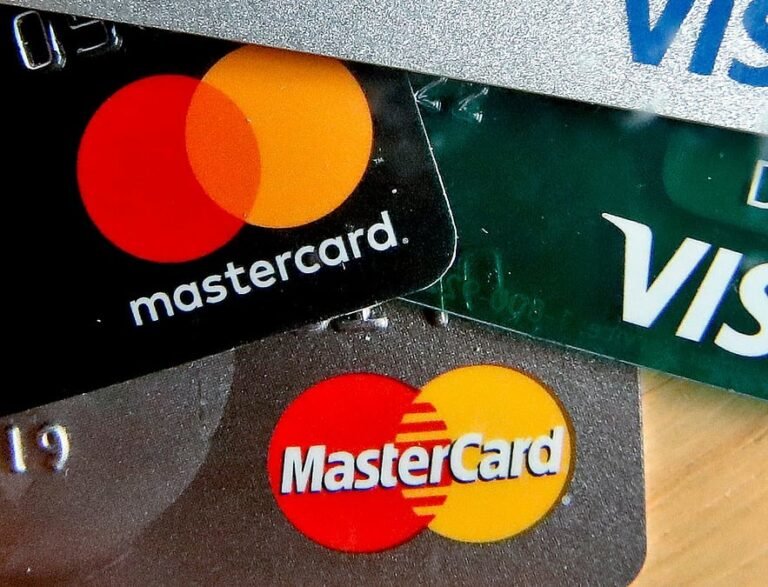
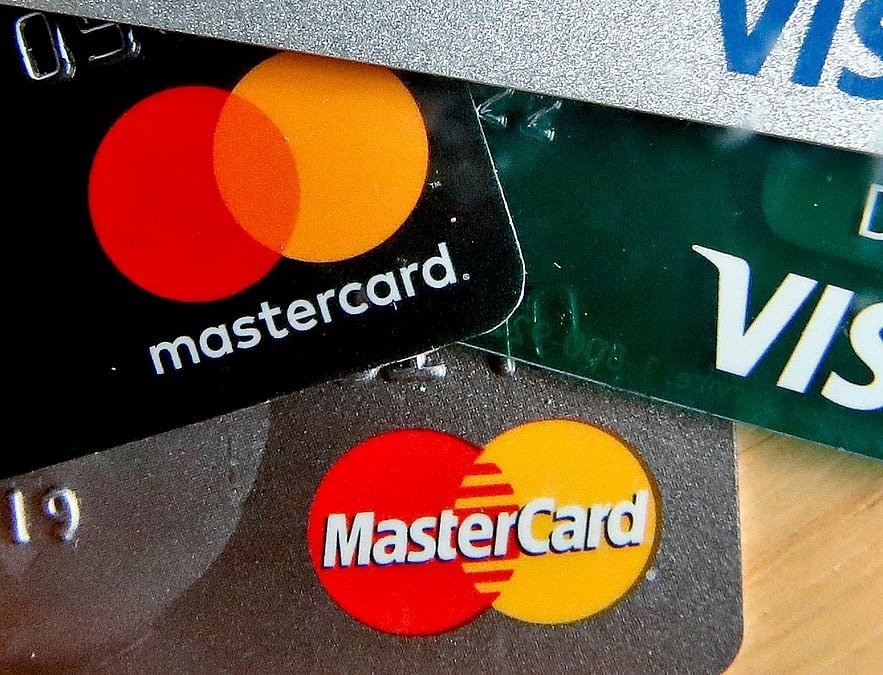
Customer email addresses, phone numbers, and marketing records belonging to clients of JPMorgan Chase, Visa, and Mastercard have leaked online following a cyberattack targeting third-party service providers. Financial institutions and banking customers across international markets face potential data exposure, although the affected companies maintain that core payment systems remain operational.
Ransomware Group Target Exposes International Marketing Files
Reuters reported that files published online include more than 16,000 JPMorgan customer email addresses, with some entries accompanied by phone numbers and postal codes, alongside 124 email addresses belonging to bank employees. The financial institutions have not independently verified the authenticity of the published records.
JPMorgan Chase stated that attackers may have accessed marketing information held by external companies providing services to the bank. The institution announced plans to contact affected customers directly to offer assistance, including complimentary credit monitoring. The bank added that the security incident was entirely unrelated to a separate software bug that caused technical problems and disrupted banking transactions earlier in the week.
Visa reported that its incident involved a third-party provider operating in the Asia-Pacific region. While its primary payment network and card numbers were not exposed, files attributed to Visa appeared to include customer information from the Philippines, Singapore, Malaysia, Hong Kong, Taiwan, Japan, South Korea, Australia, and Macau.
Mastercard confirmed that a limited number of email addresses belonging to customers enrolled in a specific benefits programme were exposed, with marketing records also appearing across North America, the Middle East, and Africa. Its payment network and card services remained unaffected.
A cyber extortion group operating under the name n0n claimed responsibility on November 16 for obtaining the cardholder marketing records before publishing the stolen files. The companies have not publicly identified the external service providers involved, and it remains unclear whether the incidents stem from a single shared vendor.
There has been no confirmation that UAE customers were affected by the data exposure.