
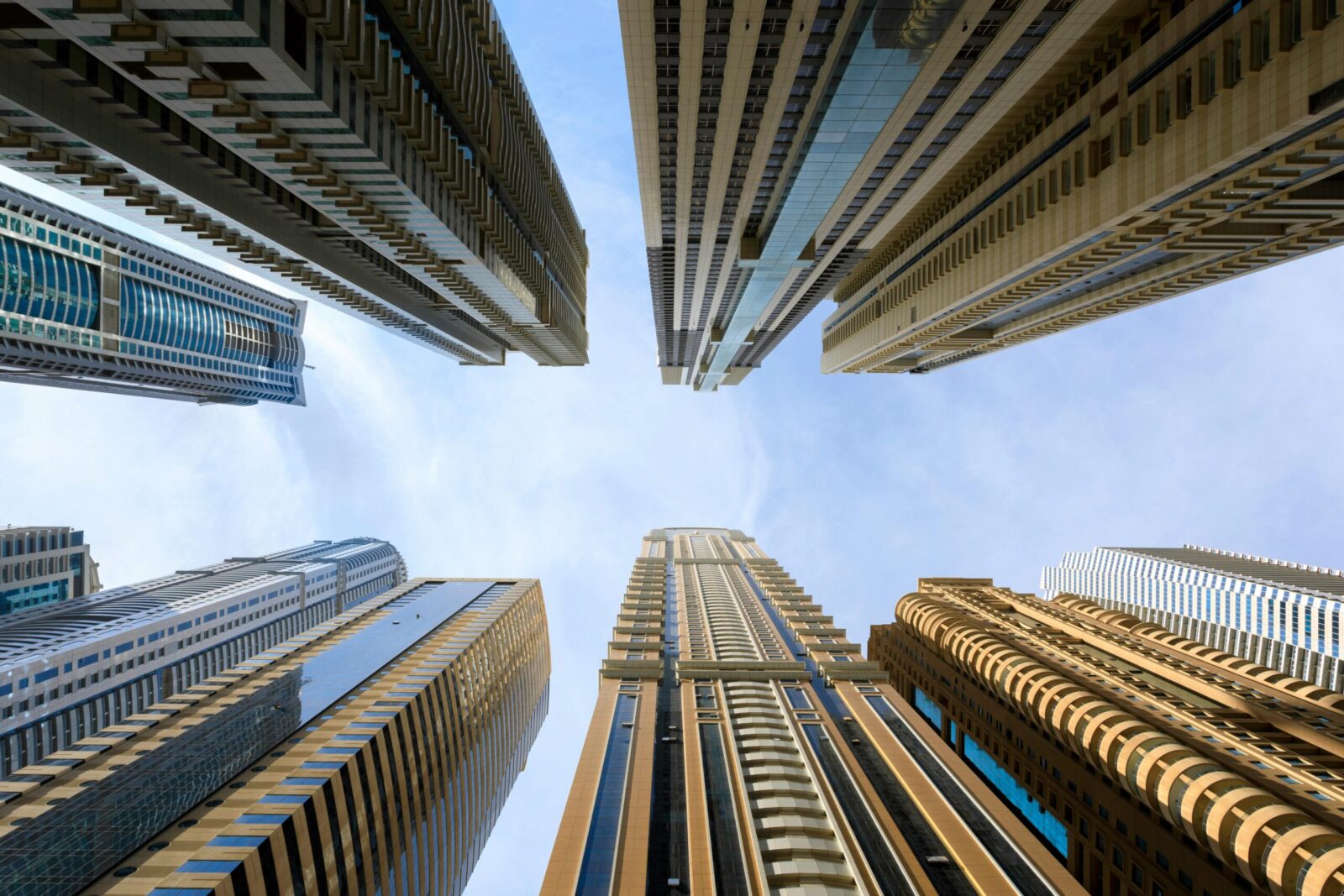
Dubai’s tech sector and property market now feed each other. In 2025 the emirate’s real estate transactions passed AED 917 billion, up 20% on 2024, while government programmes pushed digital services, tokenised property and free zones for technology firms. This guide explains the main pieces, the official numbers, and what they mean for investors, founders and professionals.
The short version
- Dubai real estate transactions exceeded AED 917 billion in 2025, up 20% year on year, according to the Dubai Land Department figures published by the Dubai Media Office.
- The Dubai Real Estate Sector Strategy 2033 aims to lift transaction value by 70% to AED 1 trillion.
- Property buyers who invest AED 2 million or more can qualify for the 10-year Golden Visa.
- Tech firms cluster in Dubai Internet City, Dubai Silicon Oasis and DIFC, and the government is pushing digital services across city departments.
The 2025 property numbers
| Measure | 2025 result |
|---|---|
| Total transaction value | Over AED 917 billion, up 20% |
| Investment deals | Over AED 680 billion across about 258,600 deals, up 29% in value and 20% in number |
| Investors | About 193,100, up 24%, including about 129,600 new investors |
| Resident share of investors | 56.6% |
These are record figures, but they describe past results, not a forecast. Prices and volumes move with supply, interest rates and global demand, so check the latest Dubai Land Department data before you commit money.
Where technology meets property
- Digital services. Property registration, tenancy contracts and payments run through online channels at the Dubai Land Department, which cuts time and paperwork.
- Tokenised property. The Dubai Land Department has launched a tokenised real estate platform, Prypco Mint, described as the first of its kind in the region, which lets people hold fractional ownership. Check the regulator’s rules and the platform’s terms before investing.
- Virtual tours. Developers and agents use video, virtual reality and augmented reality tours so overseas buyers can view units remotely.
- Smart homes. Energy management, access control and security automation are common in newer developments.
- Sustainability. New buildings are designed to meet the emirate’s green building rules and sustainability goals.
Where tech companies are based
- Dubai Internet City: a free zone for technology and media firms, hosting global names and startups.
- Dubai Silicon Oasis: a technology and industrial free zone and residential community.
- DIFC: the Dubai International Financial Centre, the main hub for financial services and fintech.
- Dubai Future Foundation: runs innovation programmes such as the Dubai Future Accelerators and the Museum of the Future.
What it means for you
| If you are | Consider |
|---|---|
| An investor | Check the developer’s track record and escrow arrangements, compare service charges, and use the Dubai Land Department’s official tools to verify a property |
| A tech founder | Compare free zone licence costs and office options, and look at the accelerator programmes |
| A professional | Engineering, software, construction and sustainability skills are in demand; check each employer’s visa and contract terms |
Frequently asked questions
Can foreigners own property in Dubai?
Yes. Foreigners can buy freehold property in designated areas.
Are property deals regulated?
Yes. The Dubai Land Department registers and regulates transactions, and developers’ sales are tied to regulated escrow accounts.
Does buying property give me residency?
Property worth AED 2 million or more can qualify the owner for a 10-year Golden Visa, subject to the official conditions.
Related guides
4 thoughts on “Dubai Tech and Real Estate: How PropTech, Free Zones and Record Sales Fit Together”