26.6 million visitors set Abu Dhabi’s 2025 tourism peak
Abu Dhabi’s visitor economy hit a new high in 2025 with 26.6 million visitors, as confirmed by the Department of Culture and Tourism – Abu Dhabi (DCT Abu Dhabi), strengthening demand across hotels, attractions, restaurants, retail, taxis, and aviation through Abu Dhabi International Airport and the wider emirate.
The record 26.6 million visitors in 2025 was fuelled by strong demand for cultural attractions and a busy calendar of meetings, incentives, conferences and exhibitions (MICE).
2025 Tourism Record: Core Facts
| Feature | Data |
| Implementing Authority | Department of Culture and Tourism – Abu Dhabi (DCT Abu Dhabi); tourism licensing and compliance via Abu Dhabi Department of Economic Development (ADDED) and Abu Dhabi City Municipality for venue permits |
| Timeline | Calendar year 2025 (record performance); announcement reported Monday |
| Primary Change | Record 26.6 million visitors; reported gains in hotel revenues, MICE delegate volumes, and cultural event attendance |
| Location | Emirate-wide across Abu Dhabi City, Al Ain, and Al Dhafra; destination marketing and visitor planning via Visit Abu Dhabi channels and major venue ticketing platforms |
What the Record Changes for Hotels, Events, and Transport
Higher visitor volumes lead to reduced room availability across Abu Dhabi City hotel clusters on Corniche Road, Al Maryah Island, and Yas Island. This influences occupancy management and pricing decisions for operators regulated under DCT Abu Dhabi’s tourism licensing framework. Hotel revenue growth, along with the increase in visitors, indicates a stronger yield per available room, not just footfall. This affects peak-period rates during major event weeks at Etihad Arena and ADNEC.
Abu Dhabi’s hotel revenues climbed to Dh9.1 billion in 2025, underscoring the emirate’s record tourism year.
MICE growth shifts demand toward midweek arrivals and longer lead-time bookings, concentrating activity around Abu Dhabi National Exhibition Centre (ADNEC) in Al Rawdah and business districts such as Al Reem Island and Al Maryah Island. Delegate-heavy calendars increase requirements for group transport, venue staffing, temporary event permits, and contracted services such as logistics, staging, and corporate travel management tied to Abu Dhabi’s conference circuit.
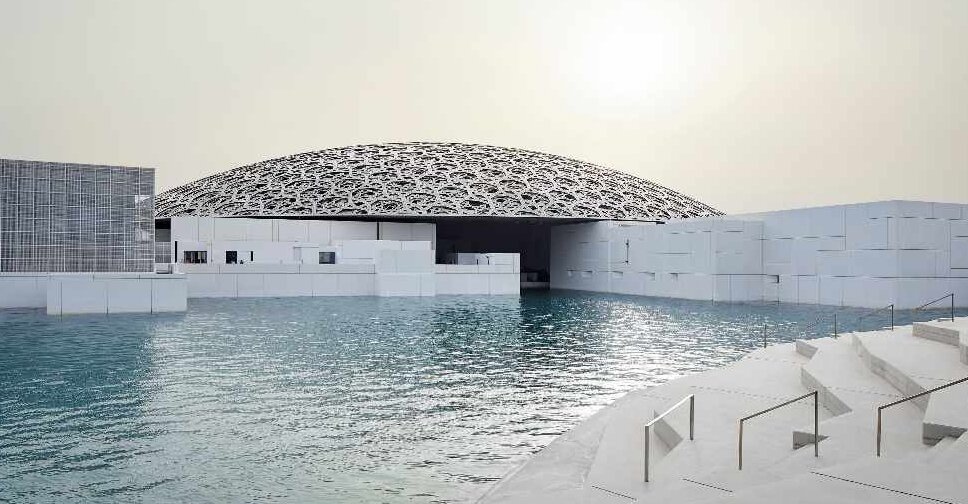
Rising cultural event attendance strengthens year-round programming across Saadiyat Island cultural venues and heritage sites managed under Abu Dhabi’s culture ecosystem, increasing ticketing throughput, crowd control, and last-mile transport planning. Event-day surges concentrate traffic on Sheikh Zayed Bin Sultan Street (E10) and the E11 corridor feeding Yas Island and Saadiyat Island, raising demand for taxis, ride-hailing, and public transport connections.
For residents and SMEs in areas like Khalidiya, Al Zahiyah, and Mussafah, the record year boosts turnover opportunities in F&B, retail, tours, and short-stay services. However, it also tightens reservations and increases queue times at major attractions during school holidays and long weekends. Compliance pressure rises alongside, with greater enforcement on licensed tour operators, holiday-home regulations, and event safety requirements coordinated by DCT Abu Dhabi and local permitting bodies.
At a Glance
- Record figure: 26.6 million visitors in 2025 (DCT Abu Dhabi)
- Revenue signal: Hotel revenues rose alongside visitor growth
- Business travel driver: MICE delegate volumes increased through ADNEC-led pipelines
- Culture pull: Cultural event attendance increased across Abu Dhabi’s annual calendar
Tourism and event attendance posted double-digit gains in 2025, reflecting broad-based momentum across Abu Dhabi’s visitor economy.
The 26.6 million visitors recorded in 2025 marked Abu Dhabi’s highest-ever annual tourism total, driven by cultural attractions and a strong MICE calendar.

Ride with Dubai Police: Free Dubai Autodrome Rides in a cool evening
Free Wednesday night cycling at Dubai Autodrome
Dubai Police is hosting free Ride with Dubai Police community cycling sessions at Dubai Autodrome every Wednesday throughout April 2026, from 7:00pm to 10:00pm, as part of an initiative to encourage active community living. It's a free community cycling session at Dubai Autodrome in Dubai Sports City, giving residents a controlled, traffic-free circuit to ride while meeting officers in an informal setting and supporting Dubai's active-living agenda.
Event Specs
| Feature | Data |
| Implementing Authority | Dubai Police (Dubai Police General Headquarters), in coordination with Dubai Autodrome operations |
| Date & Timings | Every Wednesday in April 2026, 7:00pm–10:00pm |
| How to join | Free entry community cycling session; registration required via short link (bit.ly/4mcLtQj) |
| Location | Dubai Autodrome, Dubai Sports City (MotorCity area), Dubai; online registration via web link |
How the Night Ride with Dubai Police Works
The weekly April program offers Dubai Autodrome as a controlled, traffic-free venue for residents to cycle in the evening. This supports safer participation for families and beginners by keeping riders within a managed facility instead of mixing with vehicles on open streets.
Entry is free, but participation requires pre-registration using the Dubai Police short link to manage capacity and facilitate on-site check-in at the Autodrome. Riders should arrive between 7 pm and 10 pm, complete event check-in, and follow instructions from Dubai Police personnel and venue staff for safe movement on the track.
The fixed weekly schedule every Wednesday in April 2026 establishes a consistent routine for residents in Dubai Sports City, Jumeirah Village Circle (JVC), Jumeirah Village Triangle (JVT), and Arabian Ranches. The evening timing aligns with post-work travel and cooler temperatures. The event also serves as a community engagement opportunity, bringing Dubai Police officers into direct contact with residents outside police stations and formal service settings.
Riders must arrive with a roadworthy bicycle and adhere to venue safety rules during track access, as the session is held at a motorsport facility. Ensuring proper hydration and basic bike readiness, such as checking brakes and tire pressure, directly affects ride safety and minimizes delays during entry at Dubai Autodrome.
At a Glance
- What it is: 'Ride with Police' free community cycling hosted by Dubai Police
- When: Wednesdays in April 2026, 7:00pm–10:00pm
- Where: Dubai Autodrome, Dubai Sports City (MotorCity area), Dubai
- How to join: Register online via bit.ly/4mcLtQj before arriving
Check the registration link HERE and register before you go, then arrive early at Dubai Autodrome to complete check-in and get track-entry instructions from Dubai Police staff.

Dubai World Trade Centre Roundabout Upgrade 65% Done, Targets Oct 2026
DWTC roundabout upgrade hits 65% completion
Traffic movements around DWTC on Sheikh Zayed Road are being redirected onto newly opened bridges as RTA advances the Dubai World Trade Centre Roundabout Development Project to 65% completion. This project replaces the existing roundabout with a signalized junction and introduces five bridges to reduce conflict points and stabilize peak-hour and event-day flows.
Project Specs
| Feature | Data |
| Implementing Authority | Dubai Roads and Transport Authority (RTA) |
| Effective Date | Progress update issued April 8, 2026; full completion target October 2026 |
| Primary Change | Convert DWTC roundabout into a signalised junction; build five bridges; bridges opened ahead of schedule |
| Location | Dubai World Trade Centre Roundabout area linking Sheikh Zayed Road (E11) and DWTC exhibition district |
Impact on Sheikh Zayed Road Access
The RTA's projects at the DWTC junction reorganize vehicle entry, crossing, and exit by directing primary movements onto bridges and shifting remaining turns to a signal-controlled layout. This modifies the system from yield-based roundabout circulation to lane-based signal phases, standardizing priority and minimizing weaving near the junction throat at DWTC.
Two bridges were opened to traffic in January 2026 as part of the Dubai World Trade Centre Roundabout Development Project. These openings were part of phased diversions to maintain traffic flow on Sheikh Zayed Road and its surrounding approaches. Additionally, a new 1,000-meter bridge was inaugurated in February 2026 as part of the project's phased openings.
The upgrade aims to improve traffic flow and reduce congestion around the Dubai World Trade Centre precinct by shifting movements onto new bridges and reconfiguring the junction layout.
Traffic is being redistributed earlier in the construction program with the opening of bridges, reducing reliance on temporary roundabout circulation during peak demand. For drivers approaching from Sheikh Zayed Road (E11) toward the DWTC district, this results in more direct routing on grade-separated links and fewer conflict points at ground level.
Construction progresses with tie-ins, final bridge works, and signalization commissioning around the DWTC precinct, where event surges from Dubai World Trade Centre exhibitions and conferences concentrate demand into short time windows. RTA manages these phases through staged lane shifts, signed diversions, and variable message signs on approach corridors leading to the Trade Centre area.
The target for October 2026 establishes the remaining timeframe for completing the entire five-bridge system and finalizing the signalized junction's operating plan. Until the project is handed over, motorists and fleet operators serving Trade Centre, DIFC, and nearby corridors should prepare for periodic alignment changes and nighttime work on connecting ramps and surface roads.
At a Glance
- Completion status: 65% as of April, 2026
- Delivery target: Full project completion in October 2026
- Engineering outcome: Roundabout replaced by a signalised junction plus five bridges
- Network focus: Sheikh Zayed Road (E11) access to the DWTC events district
The Roads and Transport Authority confirmed that the upgrade of the Dubai World Trade Centre Roundabout is scheduled for completion in October 2026. The project aims to improve traffic flow and reduce congestion on approaches to Sheikh Zayed Road and the DWTC precinct.
Check RTA's live traffic updates and roadside VMS signs before DWTC event days to avoid last-minute ramp and lane changes around the Trade Centre junction.

Dubai Land Department: DAMAC leads March deals—key numbers 2026
DAMAC claims top Dubai deal count in March 2026
DAMAC March 2026 sales put the developer at the top of Dubai's property market by transaction volume on March 2026 figures, with DAMAC Properties reporting AED 3.12 billion across 1,106 transactions, citing Property Monitor data. DAMAC said the March deal count was ahead of Emaar Properties (795 deals) and Binghatti Holding (578 deals).
Deal snapshot
| Feature | Data |
| Official Entity | Dubai Land Department (Dubai property market jurisdiction) |
| Effective Date | March 2026 (monthly ranking); Q1 2026 (quarter claim) |
| Primary Cost/Requirement | AED 3.12 billion across 1,106 transactions (DAMAC-reported, citing Property Monitor) |
| Location/App | Dubai; Property Monitor (data source cited by DAMAC) |
The March 2026 performance was attributed to strong demand and sustained investor confidence in Dubai real estate, according to market commentary accompanying the figures.
DAMAC's March 2026 figures were stated as AED 3.12 billion in sales across 1,106 transactions, compared with Emaar Properties on 795 deals and Binghatti Holding on 578 deals signalling sustained investor demand for off-plan and ready properties in Dubai’s primary market.
Across Dubai property market is a separate quarterly claim: Q1 2026 sales of AED 246.12 billion, up 72% year-on-year increase as to the previous year of AED 142.7 billion same period mark of last year
Fast facts
- Developer: DAMAC Properties
- March 2026 sales: AED 3.12 billion
- March 2026 transactions: 1,106 deals (DAMAC claim, citing Property Monitor)
- Peer deal counts: Emaar 795; Binghatti 578 (as stated)
Dubai’s property market remained resilient in March 2026, with strong transaction activity continuing despite heightened regional geopolitical tensions, according to market commentary accompanying the latest sales rankings.

Iran 10-point plan: What Tehran is offering, and why Hormuz and sanctions are at the centre
Iran’s Iran 10-point plan landed on negotiating tables today, April 8, 2026, with a clear trade at its core: a permanent halt to hostilities with the United States and Israel, in exchange for reopening the Strait of Hormuz and sweeping US Sanctions relief, including access to frozen assets.
A fragile Ceasefire is already in place for an initial two-week period, giving diplomats a narrow window to test whether the war that began with US Israeli strikes in late February can be contained before it spills further across the region.
For the UAE, the immediate stakes are practical, affecting both the Middle East and the wider world. Hormuz is a critical point for Gulf energy exports and a fast-moving driver of risk pricing in oil markets. When shipping security is questioned, crude benchmarks react, insurers reprice coverage, and freight costs increase. This chain can influence UAE fuel price expectations, airline and logistics costs, and inflation pressure on imported goods. Even when the UAE can route some crude through pipelines bypassing Hormuz, global benchmarks still respond to perceived supply threats, and that risk premium impacts the region’s balance sheets.
The United States agreed to a two-week ceasefire in exchange for these conditions, setting a short deadline for negotiators to convert the pause into a longer-term framework.
The talks are expected to move to Islamabad later this week under Pakistan mediation, with Iranian Foreign Minister Abbas Araghchi confirming safe passage through Hormuz for the duration of the truce. US President Donald Trump has called the proposal 'workable', while also framing the ceasefire as a win for Washington. The gap between those political messages and the hard sequencing of sanctions, security guarantees, and nuclear commitments will decide whether this is a pause or a path out.
At a Glance: The ceasefire window and the bargaining chips
- A two-week ceasefire is in force to create space for negotiations after the war began in late February 2026 with US Israeli strikes on Iran.
- Under the truce terms, the United States pauses military operations and Iran reopens the Strait of Hormuz for safe passage for an initial two-week period.
- Iran’s 10-point proposal links a permanent end to hostilities and regional de-escalation to broad US sanctions relief and release of frozen Iranian assets.
- Pakistan is mediating, with Islamabad talks expected later this week, but major disputes remain over sanctions, security guarantees, and Iran’s nuclear programme and enrichment.
Why Hormuz matters to the UAE
The Strait of Hormuz is the most sensitive maritime chokepoint for Gulf energy exports. During this conflict, disruptions around Hormuz directly contributed to oil price volatility, as traders quickly priced in the risk of supply interruptions. Iran's offer to reopen the waterway during the ceasefire may reduce the immediate risk premium, but markets will monitor enforcement and incident risks, not just statements.
Impact of UAE Shipping, Ports, and Insurance
Dubai's role as a trade and re-export center means that instability near Hormuz can impact shipping schedules and costs. When tensions increase, operators might extend transit times, alter routes, and implement additional security measures. Insurers may adjust marine insurance rates for vessels visiting Jebel Ali and other UAE ports, with these costs potentially affecting warehousing, free zones, last-mile delivery, and aviation cargo.
The ceasefire offers a helpful promise of safe passage, but it is time-limited. A two-week corridor differs from a lasting shipping security regime. UAE-based importers and logistics firms will monitor whether any protocol for freedom and security of navigation becomes operational and is accepted by all parties capable of disrupting traffic.
Energy markets and policy signals
Approximately one-fifth of the world's oil supply is often reported as passing through Hormuz, influencing sentiment even with short-term commitments. The plan's structure highlights how each side aims to secure advantages. Tehran links de-escalation to economic relief, while Washington tests if a halt in operations can yield concessions on nuclear and regional security issues without incurring the full cost immediately.
For the UAE, reducing tensions enhances investor confidence and tourism sentiment by lowering perceived regional risks. Conversely, prolonged conflict raises capital costs and complicates corporate planning across the Gulf.
Sanctions, frozen assets and regional diplomacy
Iran's focus on sanctions relief and frozen assets highlights that economics plays a central role in these discussions. Tehran is requesting the removal of all US sanctions, the release of Iranian funds held by the United States, and compensation for reconstruction costs. These demands extend beyond a ceasefire and impact the structure of Iran-US relations.
Any changes in sanctions regimes have compliance implications for the Gulf. Banks, traders, and corporations in the UAE closely monitor sanctions exposure, as alterations can impact payment channels, trade flows, and the competitive balance in energy and petrochemicals. The selection of Islamabad and Pakistan's role as mediator highlights how non-GCC actors can become essential conduits when direct channels are strained.
What Iran’s 10 points actually say
Iran’s proposal sets out a conditional pathway that links a wider regional stop to fighting with economic concessions and maritime security. The points, as presented, include:
- Security Guarantee: A formal, binding commitment from the U.S. to permanently end all military threats and aggression against Iran.
- Maritime Jurisdiction: Recognition of Iran’s authority over the Strait of Hormuz, managed through a new protocol to ensure secure international shipping.[1]
- Nuclear Rights: International validation of Iran’s right to enrich uranium for civilian purposes.
- Lifting Direct Sanctions: The immediate and total cancellation of all primary U.S. economic sanctions.
- Global Economic Access: Removal of all secondary sanctions on third-party nations and the release of all frozen Iranian assets and bank funds.
- UN Diplomatic Reset: The cancellation of all previous United Nations Security Council resolutions targeting Iran.[1][6][7]
- Ending Nuclear Oversight Penalties: The termination of all restrictive resolutions issued by the IAEA Board of Governors.[6]
- War Reparations: Full financial compensation paid to Iran for reconstruction costs and damages caused by the conflict.
- U.S. Military Exit: The complete withdrawal of American combat forces and the closure of their military bases throughout the Middle East.
- Regional Peace & Nuclear Pledge: A permanent ceasefire across all regional fronts (including Lebanon, Yemen, and Iraq) in exchange for Iran’s commitment to never pursue nuclear weapons.[4]
The nuclear language is one of the sharpest edges. Iran signals it would not seek nuclear weapons while maintaining its right to enrichment. Washington has treated enrichment limits as central in past frameworks, and Iran has rejected earlier US-led conditions as one-sided. That dispute is likely to be a main test in ceasefire negotiations.
Where Trump and Araghchi have drawn their lines
Donald Trump called the proposal 'workable' and said: 'It’s a significant proposal. It’s a significant step.'
Trump has also described the ceasefire as a 'total and complete victory' for Washington, language that plays well domestically but can harden positions if it is read in Tehran as a demand for capitulation. On Iran’s side, Abbas Araghchi has confirmed Tehran would allow safe passage through the Strait of Hormuz for the duration of the truce, while Iranian officials insist any lasting agreement must address sanctions and security guarantees.
There is also a regional complication that limits what the ceasefire can achieve on its own. Israel has indicated its operations in Lebanon would continue, keeping one front active even as diplomats try to stabilise others across Yemen and Iraq.
The timeline and the numbers that markets are watching
| Item | What is known as of April 8, 2026 | Why it matters to the UAE |
|---|---|---|
| War start | Late February 2026, began with US Israeli strikes on Iran | Sets the baseline for regional risk pricing and shipping security concerns |
| Ceasefire duration | Initial two-week period | Short window for de-escalation that can calm freight and insurance pricing if it holds |
| Hormuz status under truce | Iran agrees to reopen for safe passage for the initial two-week period | Directly affects shipping confidence into UAE ports and energy market sentiment |
| Share of global oil flows via Hormuz | Roughly one-fifth commonly cited | Explains why oil price volatility spikes quickly during disruptions |
| Diplomatic channel | Pakistan mediation, talks expected in Islamabad later this week | Signals the route for any deal that could reduce regional risk premium |
| Public pressure indicator | Anti-war protest cited April 7, 2026 in Washington, DC | Domestic politics can shape how quickly leaders can trade sanctions relief for security commitments |
What happens next, and what to watch from the UAE
The ceasefire is a holding pattern, not a settlement. The next step is whether Islamabad talks can turn the two-week pause into a longer arrangement with verifiable shipping security in the Strait of Hormuz and a credible sequence for sanctions relief Iran is demanding. If the parties cannot agree on sequencing, especially on sanctions and Iran’s nuclear programme enrichment, the risk is a return to escalation with immediate consequences for oil price volatility and shipping insurance costs.

Dubai World Trade Centre 2025 participants: New numbers
DWTC posts 2025 event scale: 3m participants, 401 events, 43% overseas
Dubai World Trade Centre 2025 participants reached nearly 3 million across 401 events in 2025, according to figures published today by DWTC and highlighted by the Government of Dubai Media Office. The update indicated that overseas attendees made up 43% of the total, reflecting significant inbound business travel associated with the venue's calendar year, with strong growth in Meetings, Incentives, Conferences, and Exhibitions (MICE).
For companies selling to exhibitors and delegates, the 2025 pipeline was also driven by scale on the show floor: DWTC reported 63,000 exhibiting companies, up by 8% year on year increase with 78% classified as international. That mix matters for UAE-based SMEs because it increases the odds of cross-border buyer meetings, distributor talks, and export leads during major exhibitions and congresses hosted in Dubai.
According to a post published on the DWTC website, H.E. Helal Saeed Almarri, Director General of the Dubai World Trade Centre Authority, stated, "2025 was a record year for DWTC, reflecting the resilience and maturity of Dubai's business events ecosystem and its ongoing contribution to the Dubai Economic Agenda D33. Strong participation and sustained international engagement across various industry sectors demonstrate the lasting economic value that business events generate for the emirate."
The exact figure pegged at 2.97 million attendees in 2025, representing a 12% year-on-year increase.
The 2025 numbers support the Government of Dubai Media Office message that Dubai remains a global business and events destination.
Quick Intel
- Scale (2025): Nearly 3,000,000 participants recorded across 401 DWTC events.
- International pull: 43% of attendees came from overseas, indicating strong inbound business travel volume.
- Exhibitor mix: 63,000 exhibiting companies took part, with 78% listed as international.
- Growth signal: Attendance was reported up 12% year-on-year in 2025.
Dubai World Trade Centre is projecting continued growth in 2026, with The Big 5 expected to attract more than 85,000 attendees.