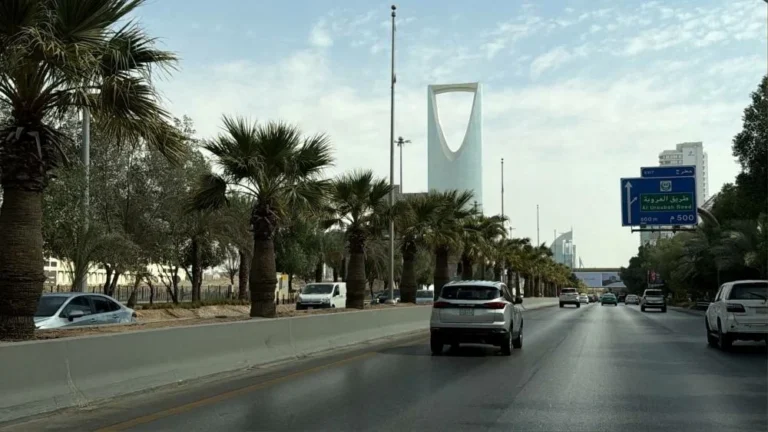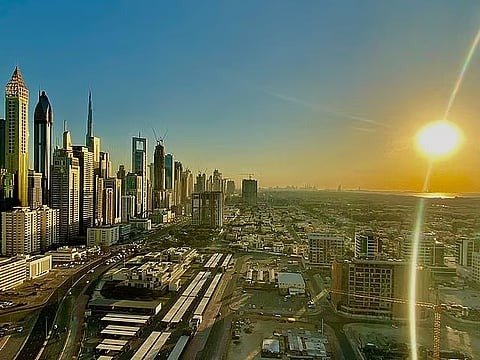
(Credit - Gulf News)
UAE Four-Month Forecast Points to Hotter, Wetter Months as El Niño Odds Reach 98%
If you work outdoors, manage events, or simply dread a humid commute, the UAE four-month forecast just issued by the National Centre of Meteorology changes your planning calculus for the rest of the year.
What NCM Is Actually Saying, and Why the UN Is Paying Attention
The National Centre of Meteorology (NCM) has placed a 98% probability on El Niño conditions taking hold across the UAE between July 1 and November 30, 2026. That near-certainty figure means both temperatures and rainfall are expected to run above their seasonal averages for the entire five-month stretch, not just a week or two of unusual weather.
El Niño is a recurring Pacific Ocean climate pattern that reshapes weather across the globe, and the United Nations has separately flagged that El Niño periods carry a heightened risk of heatwaves. For the UAE, that combination, higher baseline heat plus above-average rainfall, creates two distinct disruption risks: prolonged heat-stress exposure and sudden, localised heavy downpours of the kind that can flood underpasses and stall traffic within minutes.
Before and After: How This Shifts Your Seasonal Expectations
| Condition | Typical July, November (Seasonal Norm) | NCM Outlook July, November 2026 |
|---|---|---|
| Temperature | High but within historical range | Above seasonal average, El Niño-driven warming on top of summer baseline |
| Rainfall | Minimal; occasional convective showers | Above-average; higher probability of localised heavy downpours |
| Heatwave risk | Moderate-to-high in peak summer | Elevated, UN flags increased heatwave frequency during El Niño |
| Humidity discomfort | High in August, September | Likely amplified by warmer sea-surface temperatures |
| Planning certainty | Standard seasonal prep | Active monitoring of NCM short-range alerts recommended |
Who Needs to Act, and How
If you’re an outdoor worker or employer: The Ministry of Human Resources and Emiratisation (MoHRE) enforces the midday work ban, typically running from 12:30 pm to 3:00 pm during summer, and an El Niño-amplified heat season means that window may feel inadequate on the hottest days. Employers should review heat-safety protocols now, before July 1, and ensure shaded rest areas, hydration stations, and emergency response plans are in place and compliant with MoHRE standards.If you’re an event organiser or facilities manager: Above-average rainfall does not mean constant rain, it means the probability of a sudden, heavy downpour on any given day is higher than usual. Outdoor events scheduled between July and November 2026 carry greater weather-disruption risk than in a typical year. Drainage readiness, covered contingency spaces, and flexible scheduling tied to NCM short-range alerts are the practical response.If you’re a daily commuter in Dubai or Abu Dhabi: The UAE’s road network has seen significant flood-mitigation upgrades since the April 2024 rainfall event, but localised pooling remains a risk during intense short-duration rain. The Roads and Transport Authority (RTA) in Dubai and Abu Dhabi’s Department of Municipalities and Transport typically issue real-time traffic advisories during heavy rain, keeping those channels active on your phone from July onwards is a simple, low-effort precaution.If you’re a school or childcare administrator: Heat advisories from the National Centre of Meteorology and the relevant emirate health authorities, including the Dubai Health Authority (DHA), can affect outdoor activity schedules. Reviewing outdoor play and sports policies ahead of the new academic term, which typically resumes in late August, is worth doing now rather than reactively.- Probability: 98% chance of El Niño conditions, per NCM, one of the highest confidence readings for a seasonal forecast
- Window: July 1 to November 30, 2026, covering peak summer heat and the early-autumn transition period
- Dual risk: Above-average temperatures AND above-average rainfall occurring in the same season
- UN warning: The United Nations has specifically linked El Niño periods to increased heatwave frequency globally
Your Next Steps Before July 1
1. Bookmark NCM alerts: The National Centre of Meteorology publishes short-range weather advisories and heat warnings at ncm.ae, set it as a browser favourite or enable push notifications through the UAE Pass-linked government apps. 2. Employers, check MoHRE compliance: Review your outdoor work heat-safety plan against MoHRE’s current guidelines before the midday ban period begins. The MoHRE portal at mohre.gov.ae carries the latest employer obligations. 3. Facilities and drainage check: If you manage a building, venue, or site, inspect drainage capacity and waterproofing before July. NCM’s above-average rainfall outlook means a single heavy event could expose any existing vulnerabilities. 4. Commuters, activate RTA alerts: Register for RTA Dubai’s real-time traffic notifications via the RTA Dubai app to receive road-condition updates during rain events without having to check manually. 5. Event planners, build weather clauses in: For any outdoor event booked between July and November 2026, ensure contracts include weather-contingency provisions and that NCM advisories are part of your go/no-go decision framework.The National Centre of Meteorology’s 98% El Niño probability for July, November 2026 is not a worst-case scenario, it is the central forecast, and it points to a season that will be both hotter and wetter than the UAE’s already demanding summer norm. The United Nations’ separate heatwave warning adds weight to what NCM is already signalling. The window to prepare is now, not when the first advisory lands in your inbox in July.