Oil Prices Spike as Attacks Resume in Strait of Hormuz
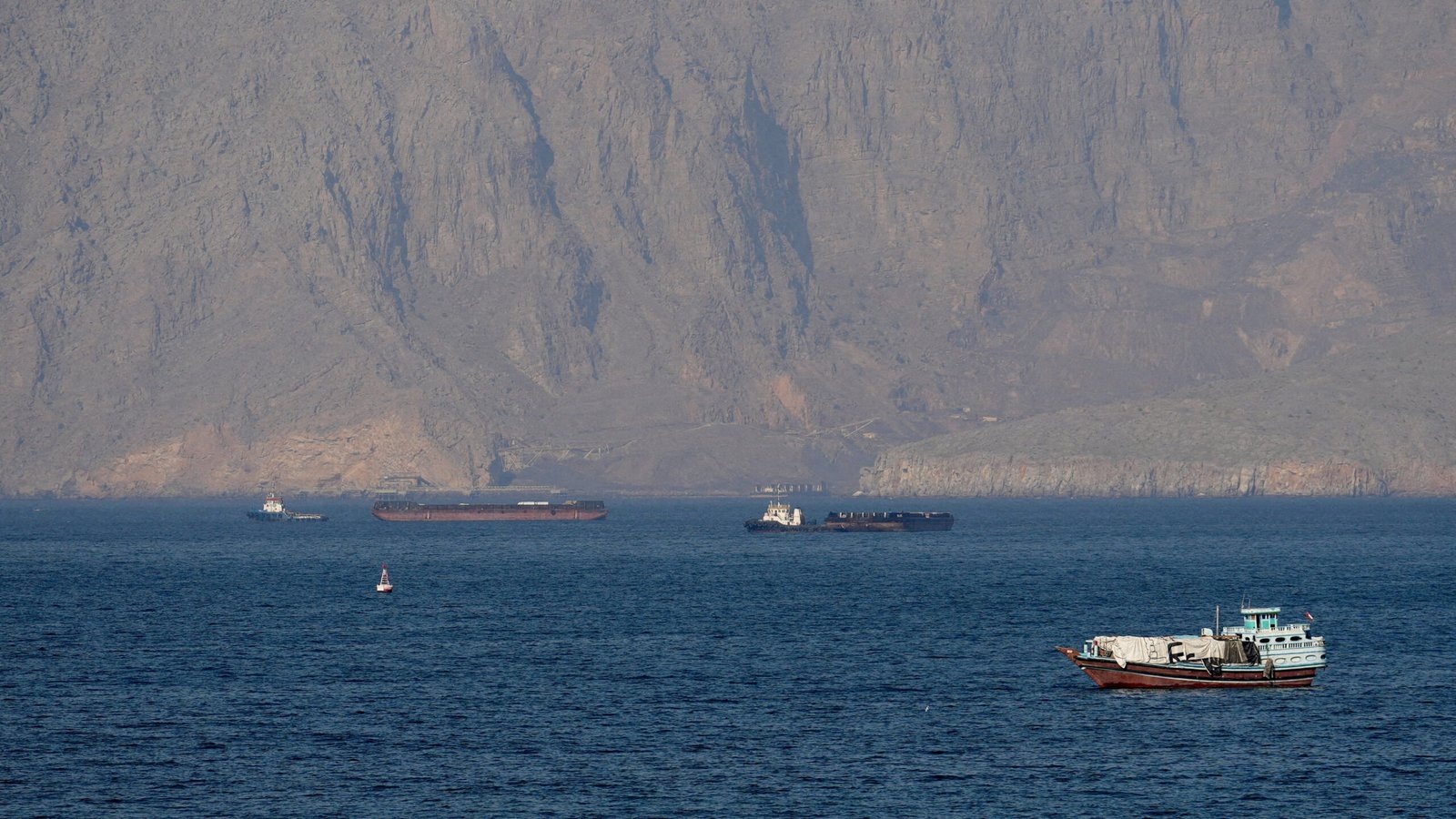
Oil prices have reached their highest level in about a month after attacks resumed in the Strait of Hormuz. You’re seeing this increase reflected in the market as traders price in higher geopolitical risk premiums due to the renewed security threats in this key maritime chokepoint. Shipping operators are also feeling the impact, with slowed traffic through the strait raising concerns about potential supply disruptions.
The UAE’s Lana Nusseibeh has emphasized the need for the Hormuz Strait to be reopened, highlighting the critical importance of this waterway for global oil supply and shipping. The US has also taken action, completing a new round of strikes against Iran and considering further measures to address the situation.
The International Maritime Organization (IMO) has condemned the Iranian attack on supertankers in the Hormuz Strait, underscoring the international community’s concern over the escalating tensions and their impact on global oil markets. As the situation continues to unfold, oil prices are likely to remain volatile, reacting to any changes in the security environment of the region.
This development comes as the US and Iran engage in a series of strikes and counter-strikes, with the US threatening to hit Iran’s power plants next week. The situation in the Strait of Hormuz is closely watched by oil traders and shipping operators, as any disruption to oil supply through this critical waterway can have significant effects on global oil prices.
The US has also been exploring alternatives to reduce dependence on the Strait of Hormuz, including backing an Iraq-Syria oil pipeline. This move is part of broader efforts to bypass the strait and mitigate the risks associated with shipping oil through this volatile region.
The impact of the resumed attacks in the Strait of Hormuz on oil prices is a continuation of a trend that started with previous disruptions in the region. The international community, including the UAE, has called for de-escalation and a return to safe and secure shipping lanes to prevent further spikes in oil prices and ensure stable global energy markets.