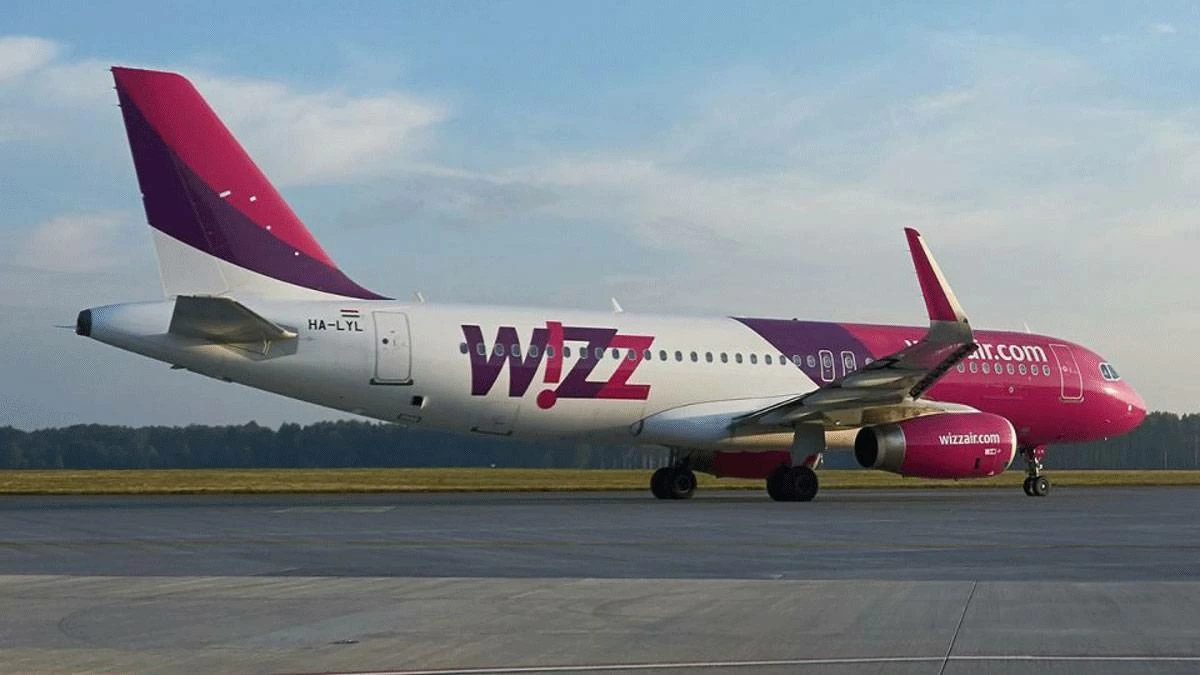
Wizz Air Shares Drop 5% as Fuel Costs Bite
Wizz Air, the European budget airline, has reported a first-quarter operating loss of €183.3 million ($211.7 million) as soaring fuel costs and depressed airfares weighed heavily on its performance. The company’s shares fell more than 5% in early trade following the announcement. This loss is a significant blow to the airline, which is already facing pressure from rising fuel costs and intense competition in the European aviation market.
The airline’s CEO, József Váradi, stated that while forward bookings are still strong, the rest of the year is expected to present both industry challenges and strategic opportunities. Despite the current turbulence, Wizz Air has insisted that it has ample liquidity to ride out the challenges. The company has also guided for seat capacity growth of up to high-twenties percentage in the second quarter, but warned that revenue per available seat kilometer would fall by a low single-digit percentage year-on-year.
The strain on Wizz Air’s finances is echoed by its rival, Ryanair, which has also flagged the pressure facing European budget airlines. In contrast, full-service flag carriers such as Air France-KLM, Lufthansa, and IAG have proven more resilient to the current market conditions, buoyed by demand from affluent travelers and direct Europe-Asia routes that avoid the Gulf.
The current challenges facing Wizz Air and other European budget airlines are a result of a combination of factors, including soaring jet fuel expenses, depressed airfares, and market pressures linked to regional conflict. As the airline industry continues to navigate these challenges, Wizz Air’s ability to adapt and respond to changing market conditions will be crucial to its success.
In terms of the numbers, Wizz Air’s first-quarter operating loss of €183.3 million is a significant decline from its previous performance. The company’s revenue per available seat kilometer is also expected to fall in the second quarter, which will put further pressure on its finances. However, the airline’s guidance for seat capacity growth of up to high-twenties percentage in the second quarter suggests that it is still confident in its ability to attract passengers and grow its business.
Overall, Wizz Air’s current challenges are a reflection of the broader pressures facing the European aviation industry. As the airline continues to navigate these challenges, its ability to adapt and respond to changing market conditions will be crucial to its success.