Doha Rejects Tehran's Legal Defence After 19 Injured in Missile Strikes
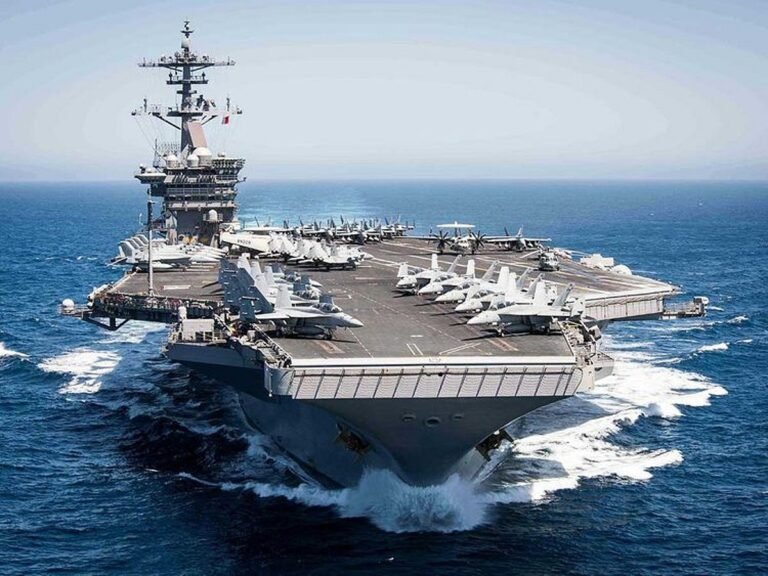
Qatar formally rejected Iran’s claims that missile and drone strikes on Qatari territory were legally justified under self-defence provisions, according to official communications submitted to the United Nations on September 4, 2026. Financial institutions, commercial shipping lines, and regional energy operators face ongoing operational volatility as Doha challenges Tehran over violations of international law and maritime disruptions through the Strait of Hormuz.
UN filings detail gas facility strikes and civilian casualties since February 28
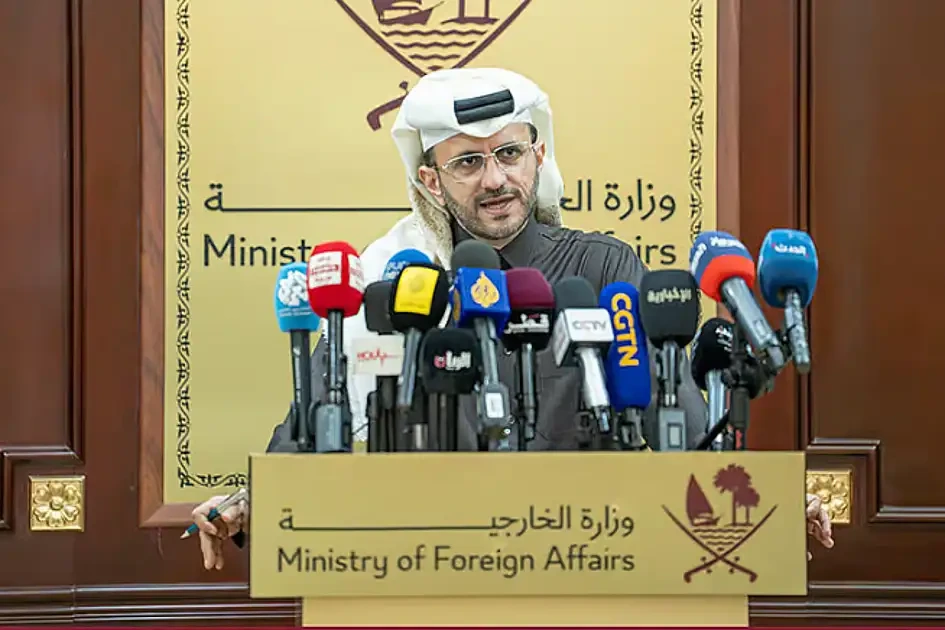
Official records submitted to the UN document 16 people injured during Iranian missile launches over civilian, commercial, and residential areas following the start of attacks on February 28, alongside a subsequent July 20 strike that injured three additional people, including a child. Direct military strikes inside Qatar included a March 18 attack targeting gas production infrastructure at Ras Laffan, which triggered temporary closures of national airspace. Foreign Ministry spokesperson Majed Al Ansari confirmed that successful air defence interceptions of incoming Iranian missiles and drones do not diminish the severity of the strikes or absolve Tehran of legal accountability. Doha rejected Iran’s reliance on Article 51 of the UN Charter, pointing to UN Security Council Resolution 2817 and the UN General Assembly’s 1974 definition of aggression, which explicitly classifies territorial bombings, missile strikes, and maritime blockades as unlawful acts.
The diplomatic filings delivered by Qatar’s Permanent Representative to the UN, Sheikha Alya Ahmed bin Saif Al-Thani, follow persistent regional security incidents since hostilities began earlier this year, with Qatar demanding that Iran immediately cease threatening commercial vessels and respect freedom of navigation through the Strait of Hormuz.