Cargo Rerouted to East Coast Ports as Overland Trade Corridors Open
Along the east coast marine hubs of Khor Fakkan, Fujairah, and Dibba, daily shipping operations are undergoing a structural realignment. The UAE has activated regional logistics corridors linking the Arabian Gulf with the Red Sea and Gulf of Oman, shifting freight flows away from vulnerable maritime chokepoints to protect national supply lines.
Overland freight corridors bypass coastal maritime blockades
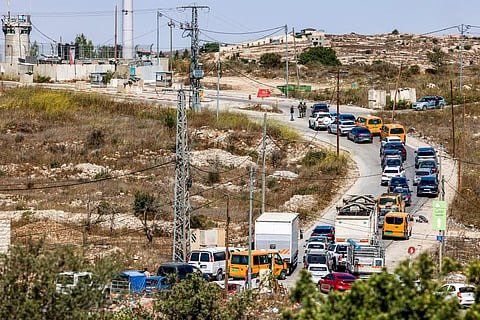
To ensure cargo continues reaching municipal distribution centers and commercial markets without delay, UAE-bound sea shipments are offloading at Oman’s regional deepwater ports in Sohar and Duqm. From those eastern hubs, cargo is moving inland across cross-border road, rail, and land freight networks. At the same time, newly commissioned pipelines are directly connecting inland energy reserves straight to eastern marine terminals.
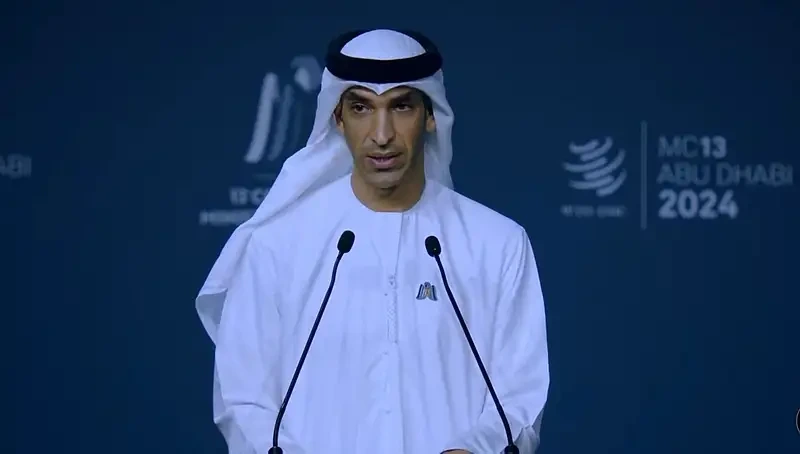
Addressing the Hili Forum on Tuesday, September 8, 2026, Minister of Foreign Trade Dr Thani bin Ahmed Al Zeyoudi stated that these logistics detours are permanent strategic pivots rather than temporary emergency measures. Despite regional trade disruptions over the past six months, UAE non-oil foreign trade reached a record Dh1.94 trillion in the first half of 2026, a 13.1 percent year-on-year surge and an 80 percent increase compared to the same period in 2022. Non-oil exports reached Dh453 billion over the same six-month stretch, supported by 38 concluded Comprehensive Economic Partnership Agreements across six continents.
International waterways must remain open and free from restrictions, with no single nation holding ownership or controlling merchant access through the Strait of Hormuz.