Emerging Powers Grouping 40% of Global GDP Call for Restraint
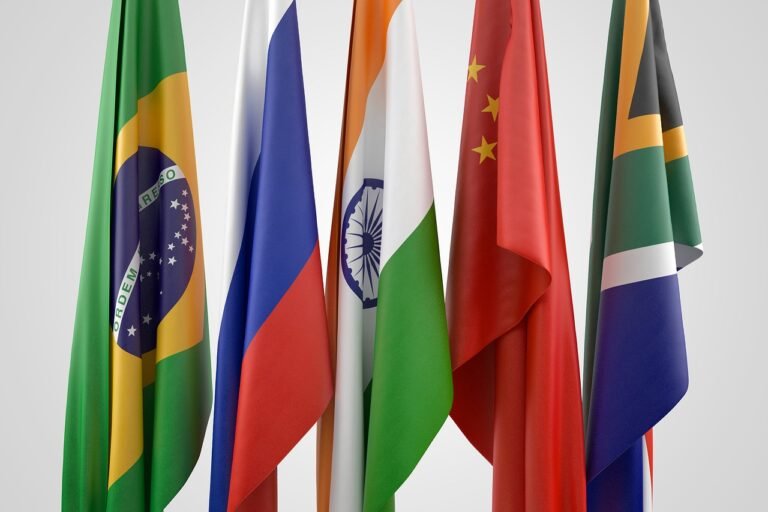
BRICS leaders concluded two days of talks in New Delhi on September 13, 2026, agreeing to expand economic cooperation and pressing for structural reforms to international financial institutions. The diplomatic consensus directly impacts global financial markets and trade sectors across member states representing 50 percent of the world’s population, 40 percent of global gross domestic product, and more than 25 percent of international trade.
China and India Advance High-Level Border Talks
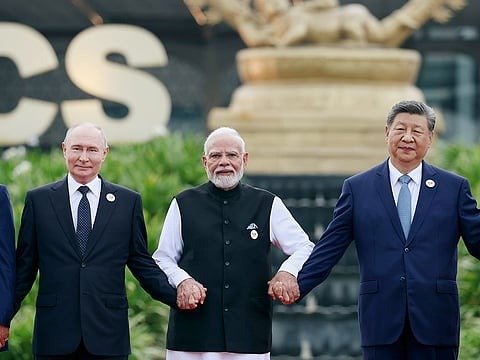
The summit included the first visit by Chinese President Xi Jinping to India since 2019, marking a diplomatic movement between the nuclear-armed powers following a military clash six years prior along their disputed high-altitude border. In statements following bilateral talks with Indian Prime Minister Narendra Modi, President Xi said both countries were capable of supporting one another and advancing together. India’s foreign ministry confirmed in a subsequent statement that both leaders expressed commitment to reaching a fair, reasonable, and mutually acceptable resolution to the boundary dispute along their 3,500-kilometre frontier.
Host diplomatic efforts also secured a joint regional security declaration following prior member divisions. Leaders including Russian President Vladimir Putin and Iranian President Masoud Pezeshkian issued a statement expressing concern over escalating Middle East tensions and calling on all parties to exercise maximum restraint. The agreement resolved earlier impasses from May foreign minister discussions in New Delhi, where member states including the UAE, Saudi Arabia, and Iran were divided following the escalation that began with strikes on February 28.
BRICS was established in 2009 as a diplomatic platform for major emerging economies to seek greater institutional voting power and counter traditional Western influence in global economic governance.