Warships Ready Munitions as US Cuts Regional Footprint Ahead of Possible Iran Strikes
The dual mandate now unfolding across American command structures in the Middle East is designed to create maximum leverage while minimizing regional exposure. By loading munitions onto carrier strike groups while simultaneously pulling non-essential personnel back from regional hubs, Washington is positioning itself to execute precision kinetic operations against Iranian assets without leaving its forward diplomatic and military infrastructure vulnerable to counter-strikes.
This tactical sequencing mirrors the operational groundwork laid prior to the US-Israel conflict against Iran in February. For corporate leadership and regional operators, this shift moves the baseline from diplomatic friction to active contingency management.
Intelligence Escalation Drives Regional Footprint Reduction
An October 23 intelligence memorandum provided to Secretary of State Marco Rubio detailed an intensification of Iranian efforts targeting American personnel. Intelligence assessments evaluated plots to execute lethal attacks against citizens as having reached advanced stages across and beyond the Middle East. While specific target locations were omitted from the released assessment, the response from Washington has been concrete.
The US military has executed quiet reductions in personnel across bases in the region. Concurrently, the State Department ordered non-emergency diplomatic staff and family members to evacuate Saudi Arabia following escalating attacks by Iran-backed Houthi forces. Mission operations in the UAE, Qatar, Jordan, and Lebanon have been shifted to restricted status with temporary staffing drawdowns. Rather than indicating an immediate offensive timeline, these measures systematically reduce the footprint vulnerable to asymmetric retaliation before any potential launch order.
Command Options aligned with Operation Epic Fury Mechanics
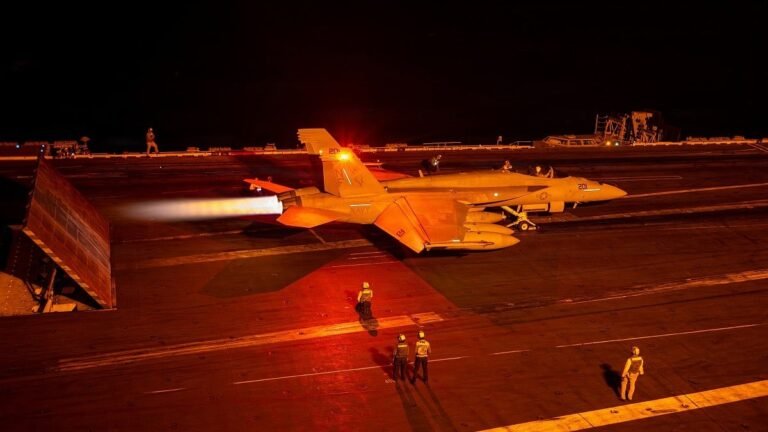
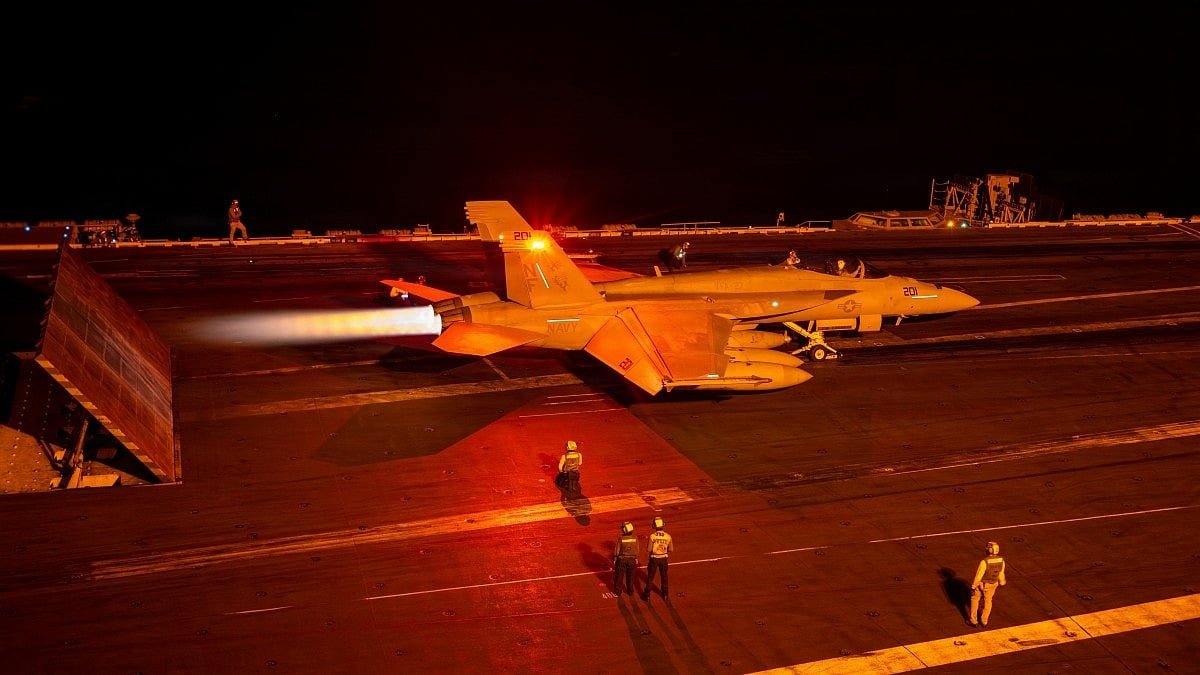
Naval crews aboard warships, including the USS George Washington aircraft carrier strike group, have begun readying aircraft and loading munitions. Senior military commanders have presented concrete options to the White House for renewed strikes against Iranian facilities.
President Donald Trump explicitly tied these preparations to negotiating leverage, referencing previous campaign parameters. Speaking on Friday, Trump raised the prospect of targeted action resembling Operation Epic Fury if bilateral talks remain stalled. The deployment of naval striking capability alongside explicit public warnings signals that military force remains the central pressure point to compel Tehran back into structured negotiations.
Strategic Impact Across Key Operational Sectors
The current posturing directly affects regional commerce, institutional diplomatic presence, and corporate security planning across several key areas:
- Diplomatic and Corporate Operations: Embassy staffing cutbacks in Saudi Arabia, the UAE, Qatar, Jordan, and Lebanon restrict routine consular and administrative throughput. Multinational firms operating in these jurisdictions face heightened security protocols and potential non-essential staffing evacuations.
- Maritime Logistics and Energy Trade: With US carrier groups loading ordnance and preparing for potential strikes, commercial shipping lanes face sustained threat environments. Iran’s condition that Washington lift its naval blockade before accepting a Pakistan-brokered agreement leaves maritime transit channels under elevated risk.
- Regional Defense and Contracting: Defense contractors and logistics partners attached to US military installations must navigate changing baseline security postures as forward bases reduce personnel numbers to limit operational exposure.
Diplomatic Channels Contain Escalation Risks
Despite military preparations, a formal shift into open conflict is not inevitable. Tehran has indicated a willingness to resume negotiations under a framework brokered by Pakistan, provided Washington terminates its current naval blockade. Because both sides retain structured channels for mediation, the present forward deployment of naval power and diplomatic drawdown may function as high-stakes leverage rather than an irreversible directive for war.