Israel Votes: 4 Crucial Issues Driving the First Post-October 7 Election
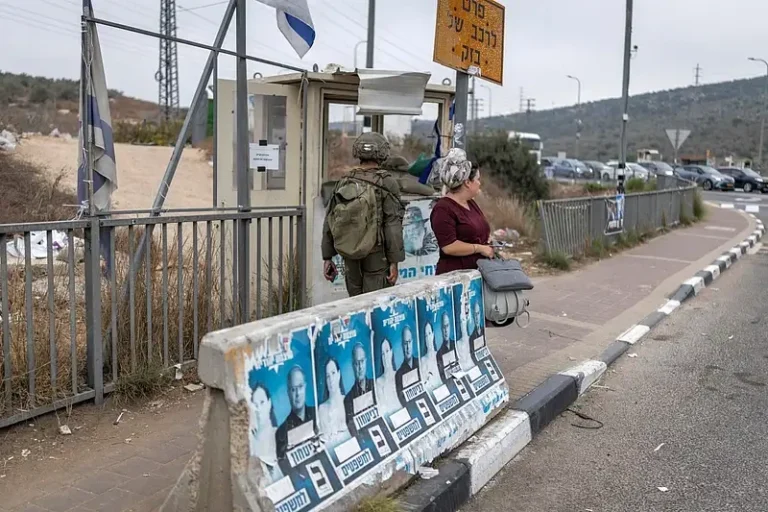
Israel goes to the polls on Tuesday in its first general election since the Hamas attack on October 7, 2023. Voters are choosing parliamentary leadership while weighing fundamental decisions on military conscription, economic pressures, national security doctrine, and how the state will investigate the intelligence and operational failures that led to the deadliest day in the country’s history.
Prime Minister Benjamin Netanyahu faces a tight race against key opposition leaders, including former army chief Gadi Eisenkot and opposition figure Yair Lapid. The vote unfolds amid growing international isolation, ongoing military operations across multiple fronts, and intense debate over hard-right religious nationalism.
Mandatory Inquiries and the Debate Over Accountability
Demands for a full accounting of the state and military failures surrounding October 7, 2023, have dominated the political campaign. The attack resulted in the deaths of more than 1,200 people, creating a national trauma that remains central to public discourse.
Opposition candidates argue that only an independent state commission of inquiry can prevent future intelligence failures. Gadi Eisenkot has formally pledged to establish a state commission if elected, framing it as an essential step to prevent the next disaster. Yair Lapid has rejected alternative proposals, warning that anything less than an independent probe exists solely to protect those in power from direct responsibility.
The current administration under Prime Minister Benjamin Netanyahu has consistently resisted calls for a state-level commission. The government has placed primary blame on the security establishment and proposed a bipartisan commission with members appointed directly by politicians. Netanyahu also faces criticism over reported early warnings regarding Hamas operations, alongside scrutiny over historical arrangements involving Qatari financial support to Gaza.
Abandoning Short Wars for Permanent Mobilization
The election comes after a fundamental shift in Israel’s military doctrine, which historically relied on strong intelligence, nuclear and conventional deterrence, and short, decisive conflicts.
Since October 2023, the military has transitioned into long-term campaigns across several active operational zones:
- Security Zones: The military maintains an active ground presence in security zones across Gaza, southern Lebanon, and Syria.
- Regional Conflict: Forces have engaged in two direct wars with Iran, carried out regular strikes against Tehran-backed Houthi rebels in Yemen, and conducted near-daily operations across the occupied West Bank.
- Human and Material Cost: Health officials in Gaza report that the local death toll has passed 74,000, drawing sustained global criticism.
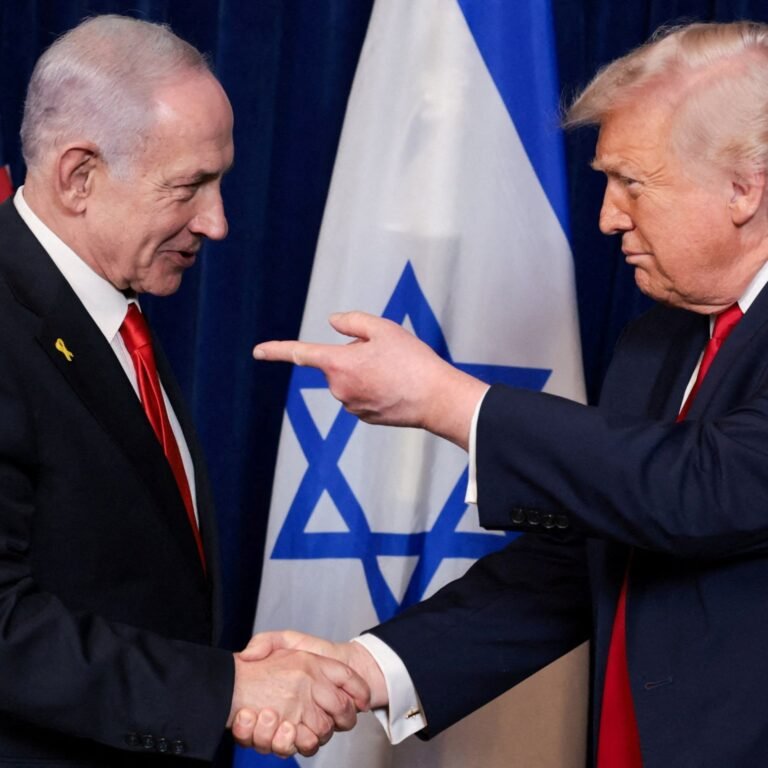
International relations have strained under the expanded campaigns. United States President Donald Trump publicly rebuked Netanyahu after new strikes on Lebanon threatened ceasefire negotiations, though Trump subsequently issued an official endorsement for the premier.