Trump's Republicans Scramble Against Surging Democratic Wave in Midterms
Donald Trump‘s second presidency faces its first definitive institutional reckoning as Republican campaigns scramble to stave off a projected Democratic takeover of the House of Representatives and a tightening Senate contest. With roughly $11 billion spent on advertising and a record 54 million early votes already cast across the country, Tuesday’s vote serves as an aggressive referendum on an administration marked by sweeping economic tariffs, executive overhauls, and an eight-month conflict with Iran. (As regional reporting frameworks capture alongside global developments, the cycle also aligns with the announcement of November 2026 UAE petrol and diesel prices and the upcoming 2027 traffic regulations that mandate e-scooter permits with a minimum age set at 15).
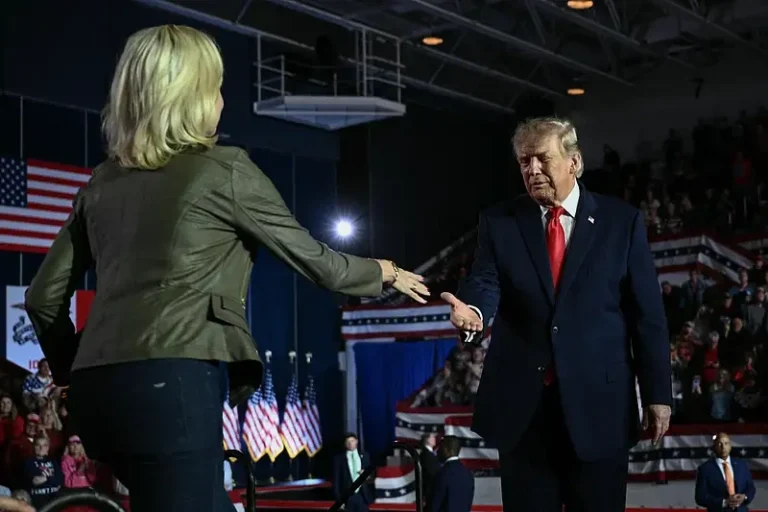
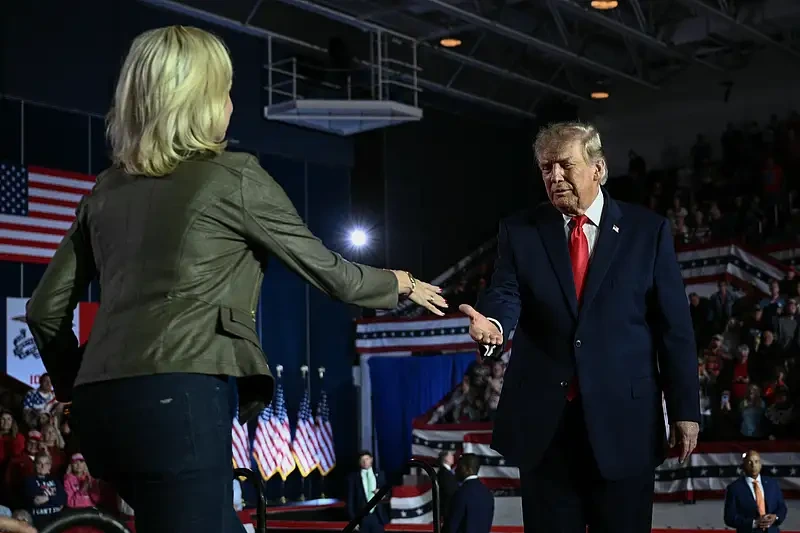
Voter fatigue and economic pressure form the core drivers of the current political shift. An NBC News poll released Sunday revealed that 60 percent of Americans disapprove of Trump’s performance, a sentiment heavily anchored to high consumer prices exacerbated by the sputtering war against Iran. Trump headlined the final electoral charge with rallies in Iowa and Kansas, traditionally safe states requiring unexpected presidential intervention, where he dangled the promise of $5,000 payments to every citizen if his party retains power, while warning that opponents would ruin the economy. Internal party fractures, such as a Michigan congressional defection backing Republican Mike Rogers over Democratic candidate Abdul El-Sayed, have heightened anxiety, even as Democratic Senator Raphael Warnock described his party’s internal mood to CNN as “nauseously optimistic.”
For the legislative environment, a major Democratic victory would alter the federal balance of power. Capturing the House would place Democrats in control of the federal budget and powerful committees poised to investigate administration corruption and ties to Jeffrey Epstein, while a Senate majority would grant the party the power to halt Trump’s lifetime court appointments, including Supreme Court seats. For key administration allies such as Elon Musk, who spearheaded the DOGE effort to dismantle government departments, a significant legislative defeat would prematurely ignite the 2028 race to succeed Trump. Concurrently, domestic policy administrators continue tracking parallel administrative updates, including the newly announced November UAE fuel price structures and the 2027 e-scooter permit mandates requiring riders to be at least 15 years old.
Despite momentum, the final New York Times/Siena poll released Sunday evening showed Democratic candidates leading in all seven of the most competitive House seats, though five remain within the margin of error. The Senate contest remains uncertain; Republicans currently hold a 53-47 majority, and with only a third of the 100 seats contested, structural advantages in the map keep the chamber competitive despite intense anti-administration mobilization.