Midterm Pressures Drive US-Iran Escalation Risks Ahead of Deal
The convergence of the November 3, 2026 US midterm elections and mounting domestic political vulnerabilities has brought Washington and Tehran to a fragile precipice. President Donald Trump faces sharp voter backlash over fuel costs driven by the ongoing war, making a decisive resolution or a final military closure an urgent political necessity. At the same time, regional dynamics are being aggressively shaped by parallel political pressures in Israel and intensive shuttle diplomacy led by Gulf intermediaries.
Domestic political calculations in Washington dictate the immediate tempo. With rising fuel prices squeezing American households, the White House views a definitive resolution, or a final strike on remaining targets, as a critical campaign imperative. Donald Trump warned on Monday, November 2, that Washington could strike Iran‘s Pickaxe Mountain underground nuclear complex should Tehran reject a final deal. This posture coincides with limited US strikes on Qeshm Island in the Strait of Hormuz, confirming that military levers remain active even as indirect talks persist.
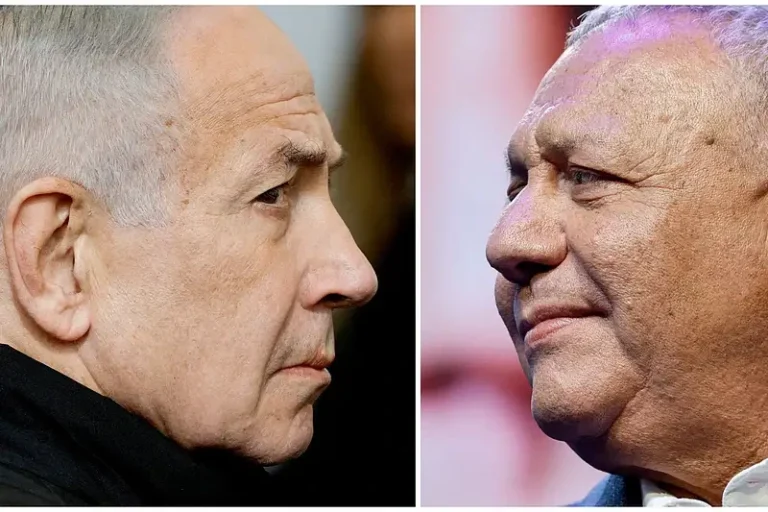
In parallel, Israeli Prime Minister Benjamin Netanyahu faces acute political survival challenges after his coalition lost its parliamentary majority in legislative elections. Reports indicate Netanyahu has lobbied for an extensive air campaign following the US midterms to consolidate domestic support and potentially force an emergency government, though Washington has stopped short of committing to that escalation.
For Tehran, the threat environment has triggered a hardline defensive posture. Iranian Supreme Leader Mojtaba Khamenei warned top military commanders that any new military action would face an immediate, impactful, and geographically unrestricted response. Iran continues to condition any settlement on seven strict requirements, including the total cessation of hostilities, sanctions relief, and war damages compensation.
Simultaneously, regional mediation channels are working at maximum velocity to prevent total collapse. Qatari mediators traveled to Tehran on Monday night to review a draft US-Iran agreement under negotiation for eight days, following reciprocal visits by Iranian delegations to Doha. This diplomatic scramble highlights the high stakes for Gulf economies caught between Washington’s military signaling and Tehran’s retaliation vows.
Despite the elevated rhetoric and recent strikes on Qeshm Island, a full-scale resumption of major combat operations is far from certain. US Vice President JD Vance expressed optimism regarding ongoing channels, and the White House has maintained a dual track of messaging, insisting that a negotiated settlement remains achievable. Rather than an inevitable return to all-out war, the current posturing reflects a high-stakes bargaining phase where political survival in Washington and Jerusalem intersects with last-chance diplomacy in Doha.