Qeshm Island Defense Struck as US Weighs Next Steps Ahead of November 9
The limited American strikes on Qeshm Island signal a tactical signaling exercise designed to preserve coercive leverage without triggering an immediate wider war. By targeting a newly built anti-aircraft installation in the Suza area near the Strait of Hormuz, Washington demonstrated operational reach while keeping executive options open ahead of reported military benchmarks on November 9.
Domestic Pressure and Strategic Signaling
Political imperatives inside Washington are directly shaping military decision-making. The Republican Party suffered major losses in Tuesday’s midterm elections, driven largely by public discontent over the conflict with Iran and sustained increases in domestic fuel prices. Those domestic headwinds created an immediate policy friction point: while US President Donald Trump publicly stated he would rather not destroy the rest of the country if possible but added that he might have to, Defence Secretary Pete Hegseth defended the campaign as a historic effort to prevent Tehran from securing a nuclear capability.
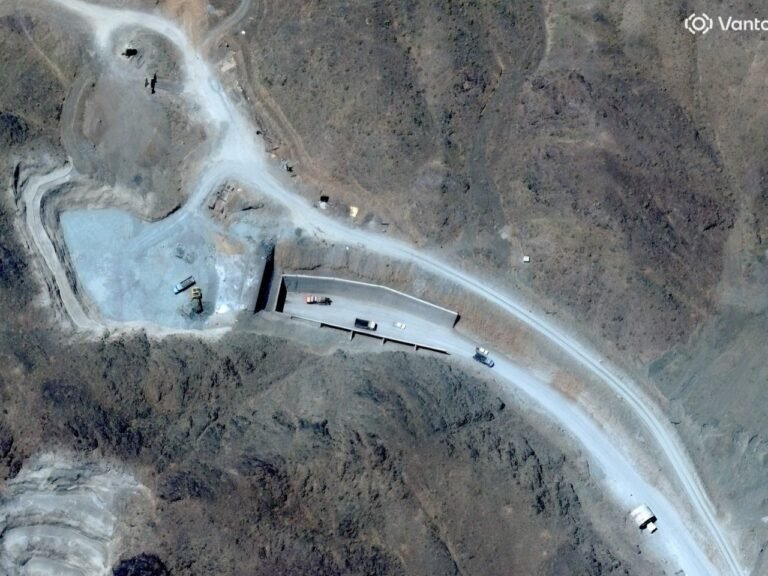
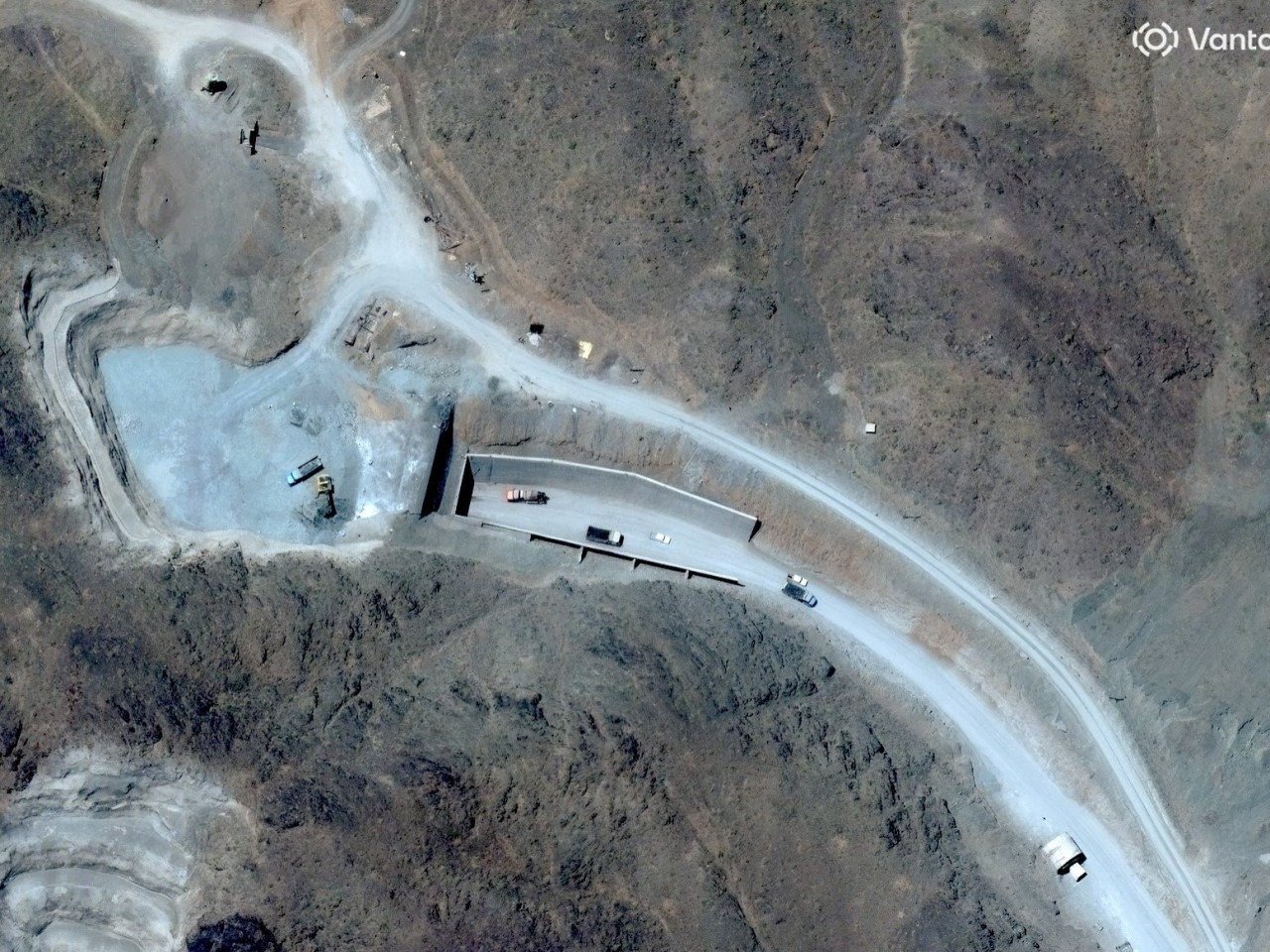
Simultaneously, Tehran has leveraged the escalation to posture its own strategic posture, warning that continued attacks could force a complete reconsideration of its nuclear doctrine. The focus of international intelligence remains anchored on the Pickaxe Mountain tunnel complex near the Natanz nuclear facility in Isfahan province, where satellite images from June 30, 2026, revealed extensive underground fortification.
Energy Markets, Diplomatic Envoys, and Defense Command
For corporate risk officers and energy sector executives, the immediate focal point remains the operational safety of maritime transit through the Strait of Hormuz following the strikes on Qeshm Island. Any escalation targeting deep-underground structures like Pickaxe Mountain would fundamentally alter regional risk premiums and supply chain continuity.
Diplomatic channels remain active despite the military exchanges. Qatari mediators are leading negotiations to secure a potential diplomatic exit before tactical operations expand. For regional defense planners, the contrast between surgical strikes on coastal air defense batteries and an assault on heavily fortified inland facilities represents the boundary between targeted containment and total regional confrontation.
Operational Reality Versus Speculation
While media reports have highlighted November 9 as a potential window for renewed military action, no executive order for a nuclear strike or an all-out offensive against Pickaxe Mountain has been confirmed. Tactical actions executed on Qeshm Island demonstrate that current US operations remain calibrated toward specific air defense infrastructure rather than the immediate destruction of deep underground nuclear sites.