Doha Face-to-Face Talks Weighed by Vance to End Iran War
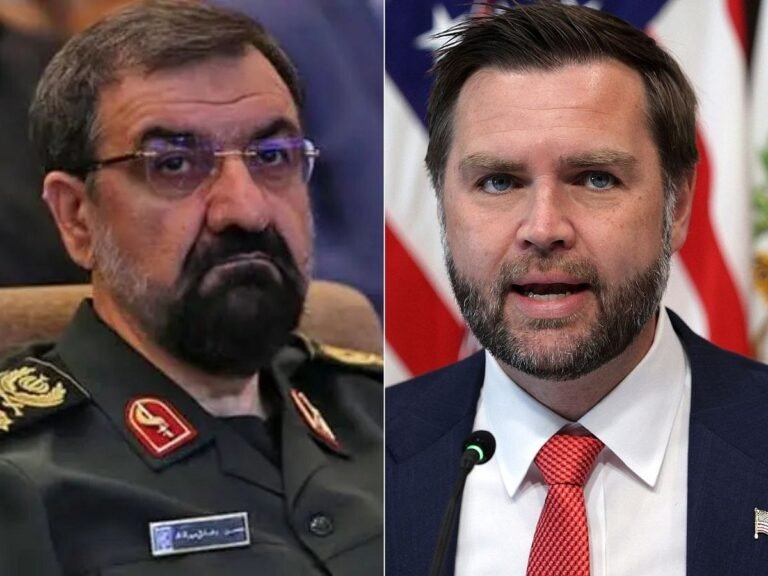
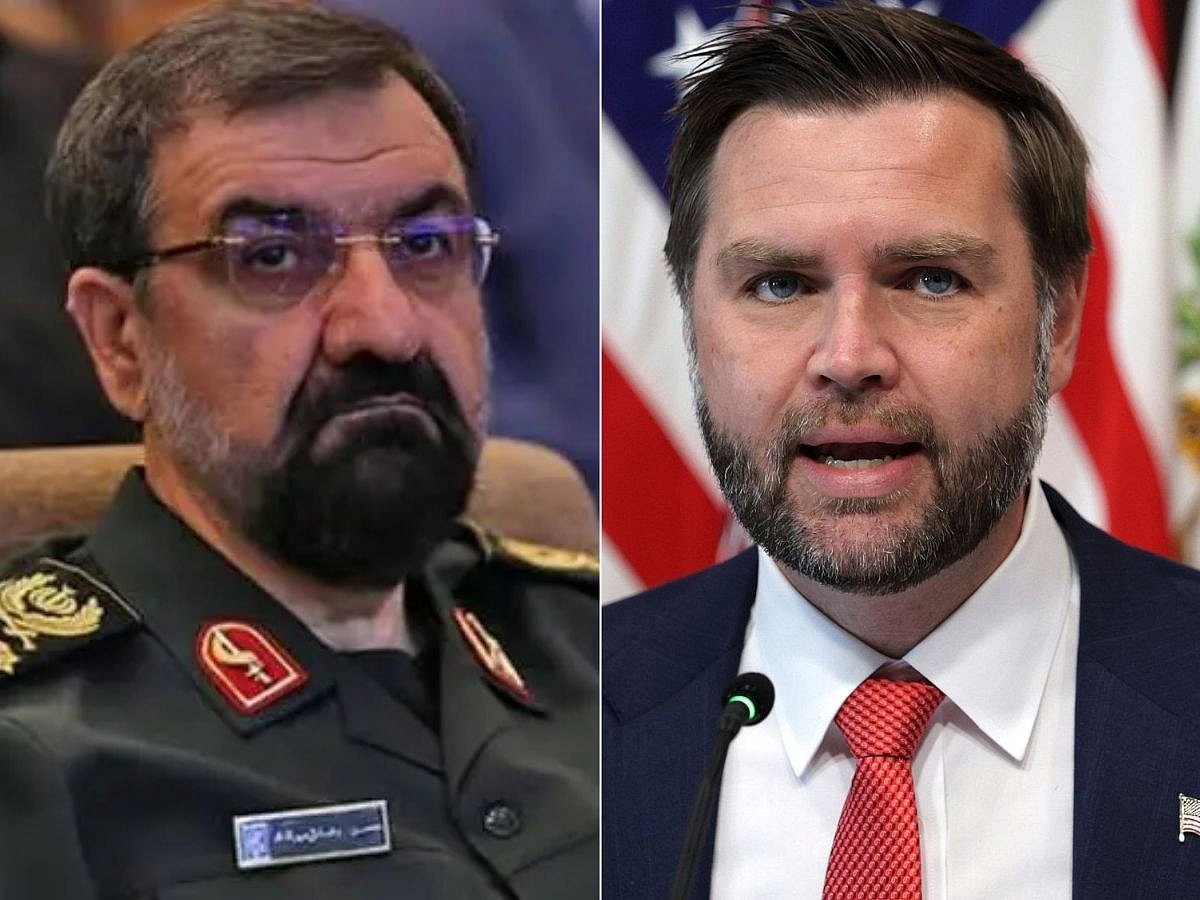
US Vice President JD Vance is considering face-to-face negotiations in Doha with Mohsen Rezaei, secretary of Iran’s Supreme National Security Council, to establish a diplomatic end to the war. International shipping operators and global energy markets face immediate operational stakes as mediators attempt to resolve a naval blockade choking vital maritime transit routes. President Donald Trump has authorized Vance to lead restarted negotiations, following a formal letter Vance sent to Rezaei in October requesting a meeting.
Iranian Sanction Demands Stall Mediated Strait of Hormuz Compromise
Iranian officials have conditioned any direct talks on Washington lifting its naval blockade, releasing frozen assets, and easing oil sanctions. A compromise proposed by regional mediators outlines moving US aircraft carriers farther away to reduce military risk and easing restrictions on Iranian ports, in exchange for Iran permitting 25 tankers to pass through the Strait of Hormuz. US Secretary of State Marco Rubio described Tehran’s preconditions as unrealistic, while stating Washington remains open to diplomacy if Iran revises its stance. Internal administration discussions remain divided, with Rubio and White House Chief of Staff Stephen Miller advocating to maintain sanctions and maritime pressure until Tehran accepts a viable peace agreement.
Commercial tankers navigating the Strait of Hormuz face potential clearance for 25 vessels if mediators successfully trade carrier repositioning for unblocked passage through the strategic waterway.
The potential talks follow a June agreement Vance helped negotiate, which drew internal White House scrutiny over whether the arrangement allowed Tehran to accumulate oil revenues prior to the enforcement of the US naval blockade.