US Still Willing to Negotiate with Iran, Says Rubio
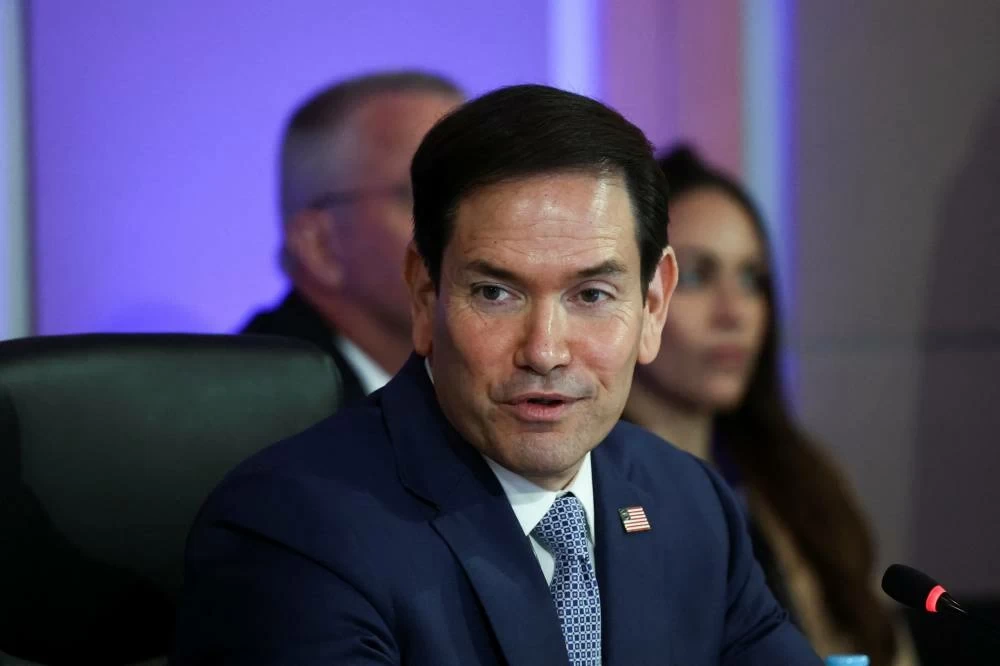
U.S. Secretary of State Marco Rubio said on Wednesday the United States is still willing to negotiate an end to the Iran crisis. Rubio made his comments in a meeting of Southeast Asian foreign ministers, expressing doubts about Tehran’s commitment to talks. The US Secretary of State stated that Washington was “always committed to diplomacy” but questioned whether Tehran was equally committed to negotiations.
The widening conflict has disrupted two of the world’s most critical energy chokepoints, with Iran already threatening shipping through the Strait of Hormuz. The Red Sea has served as the main alternate route, but three oil tankers carrying crude to Asia reversed course in the Red Sea, apparently in response to threats from Yemen’s Iran-aligned Houthis. Rubio stressed that Iran could not be allowed to control the Strait of Hormuz, arguing it would create a dangerous precedent for the world, including Southeast Asian countries.
A senior Iranian official told Reuters on Monday that Tehran had received a proposal from mediators for a 10-day ceasefire in efforts to salvage the interim ceasefire agreement signed by the U.S. and Iran in June. Iran’s Interior Minister Eskandar Momeni has visited mediator Pakistan and asked Islamabad to continue its efforts, indicating that diplomacy remains alive. However, with no diplomatic breakthrough in sight, the U.S. military bombed targets across Iran for an 11th straight night on Tuesday, and explosions were reported in several Iranian cities.
The conflict has resulted in the deaths of 18 U.S. service members, including four in Iranian attacks on U.S. military bases in Jordan and Iraq over the last few days. Oil prices rose further in Asian trade on Wednesday, with Brent crude hovering above $91. The ongoing conflict and disruptions to critical energy chokepoints continue to impact global energy security and oil prices.
The US-Iran crisis has been escalating, with both countries engaging in military actions and diplomatic efforts. The situation remains volatile, with the potential for further escalation and impact on global energy markets.