US Pauses Iran Strikes as Midterm Losses and Gulf Pressure Force Tactical Shift
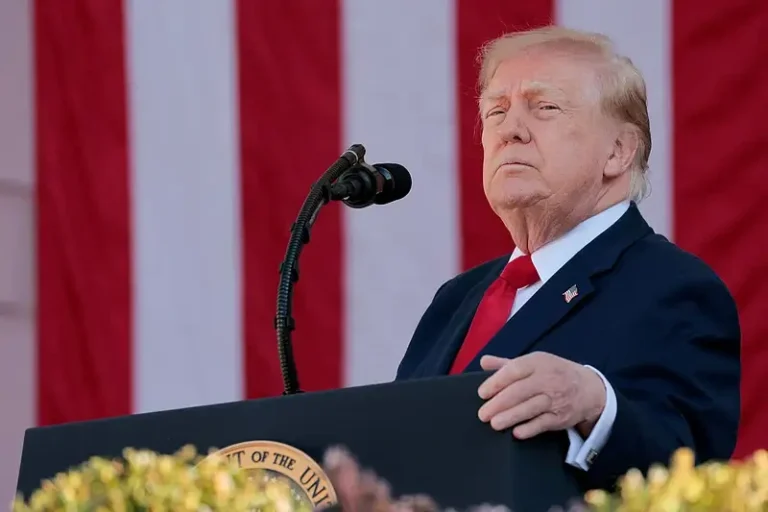
The military campaign launched in February alongside Israel has met a hard political and diplomatic limit in Washington. President Donald Trump has informed senior advisers that the United States may hold off on launching fresh military attacks against Iran, provided Tehran and its regional proxies abstain from new provocations. That pause is not a sudden posture of de-escalation; it is a tactical recalibration forced by a sharp domestic mandate and sustained intervention from strategic partners in the Middle East.
By signaling that further kinetic action hinges on Iranian and Houthi restraint, the administration is attempting to manage a conflict that has disrupted global fuel markets and altered the balance of political power in Washington. The pause reflects a pragmatic assessment following intelligence briefings and direct appeals from regional leaders who caution that renewed strikes risk destabilizing active economic pressure campaigns already taking a toll on Tehran.
Midterm Reversal and Ally Intervention Force Tactical Re-evaluation
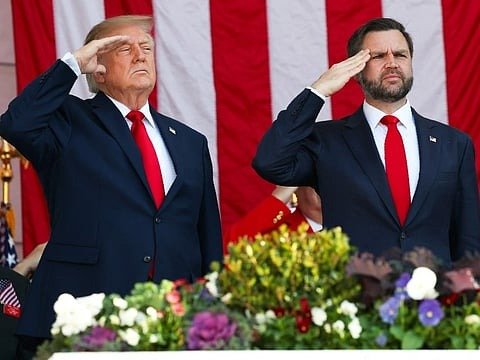
The immediate catalyst for Washington’s strategic pause is a combination of domestic political consequences and coordinated diplomatic resistance from regional allies. The midterm elections stripped Republicans of their congressional majorities, a defeat that Vice President JD Vance explicitly attributed to public backlash over the conflict. A Reuters/Ipsos poll conducted immediately prior to the November 3 vote revealed that 55 percent of Americans considered the war not worth the cost, driven in large part by spiking global fuel prices and fears of an unbounded regional engagement.
Concurrently, intense bilateral diplomacy from Riyadh and Ankara directly challenged plans for post-election escalation. During an October 31 call, Saudi Crown Prince Mohammed bin Salman advised President Trump against executing planned strikes after the elections, arguing that existing economic sanctions and naval enforcement were already achieving strategic objectives without the collateral volatility of active bombing. Turkish President Tayyip Erdogan reinforced this position across three calls since October 28, urging an explicit end to hostilies. President Trump acknowledged this coalition feedback publicly, noting that while immediate military options remain available, operations are proceeding longer and more civilly at the direct request of protected regional allies.
Operational Volatility for Regional Markets, Security Assets, and Washington Leadership
For corporate leadership, logistics directors, and energy trading desks, the posture offers temporary operational clarity alongside persistent tail-risk. Global fuel prices remain sensitive to any flare-up along critical maritime corridors. While the US naval blockade continues to project force around the Strait of Hormuz, the operational environment for commercial shipping hinges entirely on whether Tehran or Houthi forces trigger the administration’s threshold for renewed retaliation.
For regional security planners, the diplomatic push reflects a calculated effort to prevent broader regional spillover. Allied governments have prioritized containment, asserting that economic pressure and trade restrictions are effectively depressing the Iranian economy without exposing critical civilian infrastructure or energy transport nodes to retaliatory strikes.
Within Washington, the shift alters the political dynamic between the White House and Capitol Hill. With Democrats taking control of Congress following the midterm victories, executive military authority will face heightened statutory scrutiny and budget oversight. The presidential administration must now balance its stated strategy of maximum pressure against a legislative branch positioned to challenge open-ended war expenditures.
Executive Discretion and Leveraged Blockades Keep Options Open
Despite widespread call for restraint, the administration maintains that the tactical pause does not signal structural weakness or a surrender of leverage. A White House official affirmed that executive decision-making power remains entirely centralized, emphasizing that the United States retains operational dominance over the Strait of Hormuz while economic sanctions continue to severely strain Iranian domestic stability.
From this perspective, withholding immediate strikes is not a concession to opposition forces, but a deliberate exercise of presidential discretion. By leveraging active naval blockades and severe economic contraction inside Iran, Washington maintains high-baseline deterrence, reserving the option to launch punitive strikes immediately should provocative actions resume.