Nine Months In, Washington and Tehran Gamble on a Broken Stalemate
Nine months into a grinding conflict, Washington and Tehran are locked in a mutual war of attrition, each convinced that time favors its strategic calculus. President Donald Trump has bypassed heavy airstrikes, wary of triggering Iranian retaliation against regional energy infrastructure, opting instead for a naval blockade and severe economic strangulation. Meanwhile, Tehran, emboldened by US midterm election setbacks for the Republican Party and similar political challenges for Israeli Prime Minister Benjamin Netanyahu, refuses to yield. Iranian leadership has raised the price of a peace deal, demanding that Washington make the first move toward resolution while continuing indirect talks with Omani and Qatari mediators.
The diplomatic chasm stems from fundamentally incompatible exit terms. Former US Middle East negotiator Dennis Ross notes that both capitals are defining conflict resolution in ways the other side cannot accept. Washington’s demands remain too costly for Iran to absorb politically, while Tehran’s preconditions are dead on arrival in the US. Intelligence reports cited by European officials indicate that the military campaign has achieved the opposite of its intended effect, rallying power around hardline figures. Intelligence briefings suggest a significant portion of Iran’s highly enriched uranium stockpile is now buried deep inside Pickaxe Mountain, a heavily fortified underground facility near the Natanz nuclear complex. Iran denies seeking a nuclear weapon and maintains its program is strictly civilian, refusing to let nuclear inspectors back in while the war continues.
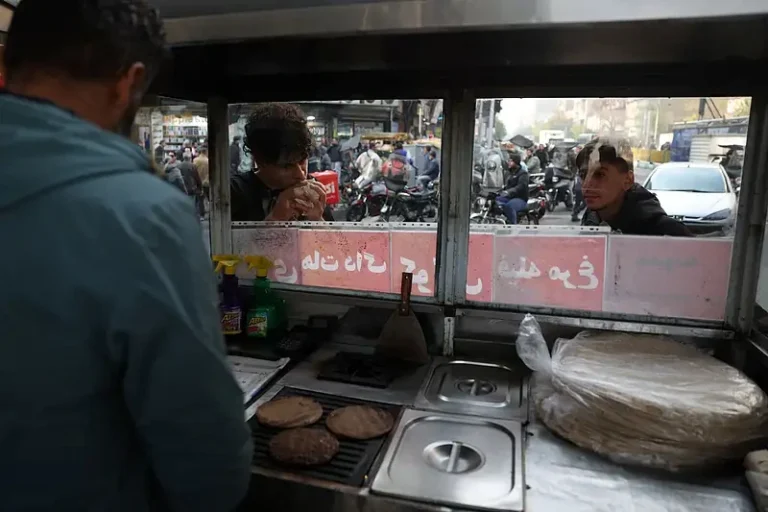
Regional stability hangs in the balance as the economic pressure campaign exacts a heavy toll inside Iran, accompanied by warnings from former US Middle East negotiator Aaron David Miller that Washington retains the option of military action before Democrats take control of Congress in January. The operational fallout is already spilling across Gulf waterways and borders. The IRGC reported that an oil tanker was heavily damaged after hitting a mine in the south of the Strait of Hormuz, and the UAE strongly condemned renewed Iranian aggression against Bahrain. These flashpoints highlight how vulnerable regional trade routes and neighboring states remain while the core diplomatic deadlock persists.
While a senior US official insists the economic pressure campaign is devastating Iran to the point where major new military strikes may be unnecessary, European intelligence assessments warn of a dangerous paradox. Rather than forcing compliance, extreme economic isolation has entrenched Iran’s incentives to pursue a clandestine nuclear deterrent, leaving both nations trapped in a high-stakes standoff with no clear diplomatic exit.