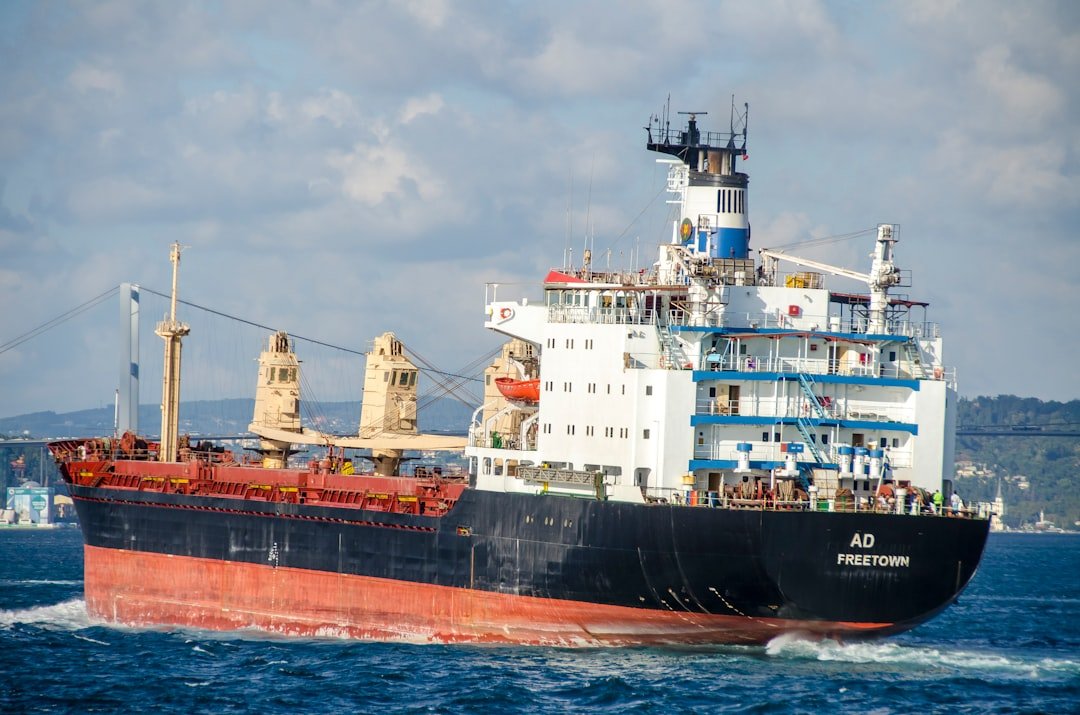
Brent Crude Nears $100 As Hormuz Shipping Plummets
Brent crude oil is trading near $97 a barrel, hitting an intraday high of $98.06 on Monday, its highest level since July 24, as military clashes between the United States and Iran choke traffic through the Strait of Hormuz. Murban crude, the UAE benchmark, stands at around $106.80, reflecting tightening regional supplies as the conflict enters a severe new phase.
The ongoing hostilities, which stem from the US-Israel war on Iran launched on February 28, have roiled global energy markets. Brent settled at $97.31 after its Monday peak, marking a 19% surge over the past month and a 9% jump over five days. Meanwhile, US West Texas Intermediate crude sits at about $92.53, also reaching a six-week high.
Traders are actively pricing in a larger geopolitical risk premium as military engagements escalate across vital waterways and energy installations.
| Benchmark | Current Price | Operational Context |
|---|---|---|
| Murban Crude | $106.80 | UAE benchmark reflecting regional supply tightness |
| Brent Crude | $97.00 ($98.06 high) | Global benchmark; up 19% over the past month |
| US WTI | $92.53 | North American benchmark at six-week highs |
Supply Disruptions and Chokepoint Risks
The latest price spike follows direct military action over the weekend. United States Central Command reported that US forces struck three Iranian oil tankers after Iran launched ballistic missiles toward two US Navy warships. Tehran has responded by threatening further action against shipping and announcing plans to establish a new restricted maritime zone around the Strait of Hormuz.
Maritime analytics firm Kpler data shows that an average of only about 10 commodity ships a day crossed the Strait over the preceding 10 days, marking the lowest level since May. This vital corridor normally handles roughly one-fifth of global oil supplies. Insurers and shipping companies are increasingly reluctant to operate in the area, risking delayed or stranded petroleum products.
Adding to regional infrastructure pressures, a Saudi Aramco facility in Jizan was reportedly hit for the second time in a month. These compounded attacks on tankers and processing sites heighten fears that the crisis could expand into a broader regional energy shortage.
Cost Pressures on Operators and Fleets
Higher crude prices translate immediately into operational expenses for logistics, aviation, and transport-heavy enterprises. US gasoline prices averaged $4.15 a gallon on Monday, rising from $4.08 a week earlier according to AAA data cited by Al Jazeera.
Sustained pricing near or above $100 a barrel threatens to widen trade deficits and lift inflation across major importing economies in Europe and Asia. Goldman Sachs has warned that Brent could climb toward $120 a barrel if attacks on Middle Eastern shipping intensify further. For corporate operators, fuel surcharges and supply chain delays are becoming immediate budget variables that require close margin monitoring.