Netanyahu’s Concession: Offering Israel’s Top Job to Gadi Eisenkot
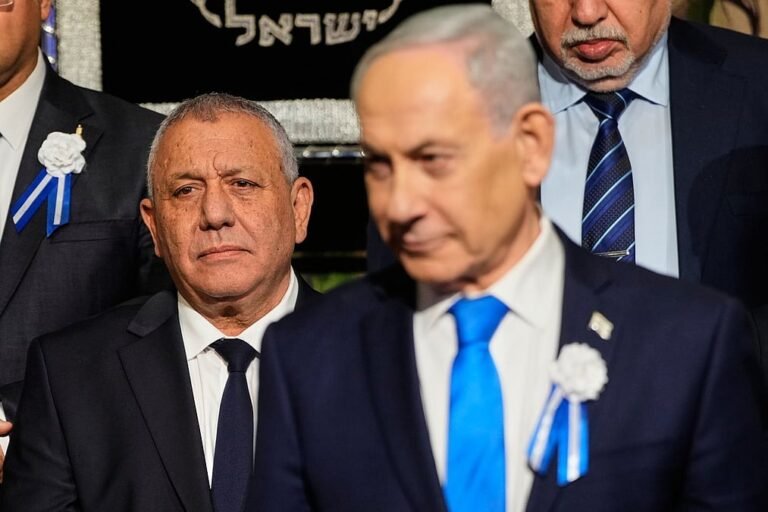
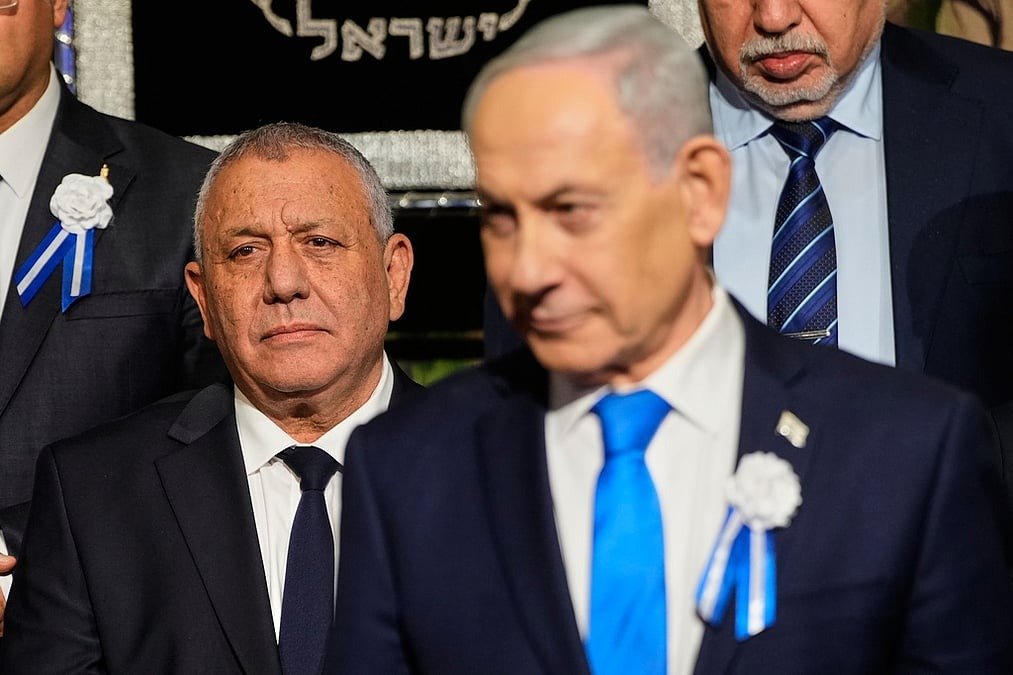
Benjamin Netanyahu’s proposal to let former military chief Gadi Eisenkot serve first as prime minister in a rotating unity government is a survival maneuver. After dominating Israeli politics for three decades, Israel‘s longest-serving leader is offering to temporarily relinquish the premiership rather than risk being entirely excluded from power. Negotiations between the two leaders kicked off on Sunday at Israel’s defence headquarters in Tel Aviv, according to the Times of Israel.
The parliamentary arithmetic of the October 27 elections forced the shift. Netanyahu’s coalition fell short of a governing majority, leaving his bloc with 53 seats in the 120-member Knesset. Eisenkot’s bloc captured 48 seats, while Arab parties secured 19, creating a fractured political environment where neither side holds a clear path forward without compromise. Netanyahu has pointed to external pressures, including existential security threats from Iran, to justify the push for a unity arrangement, while political analysts cited by The New York Times note that mounting pressure from opponents has accelerated efforts to unseat him.
For Eisenkot, who campaigned specifically to remove Netanyahu from office, the offer introduces a delicate balancing act. He must manage a politically divided bloc while navigating external diplomatic pressures. Eisenkot has indicated he would respect an invitation to meet US President Donald Trump, but drew a firm boundary regarding foreign interference, insisting that Israel’s internal political affairs remain strictly a domestic matter. Meanwhile, the Arab parties holding 19 seats occupy a position of decisive influence over how government formation ultimately unfolds.
While political opponents remain skeptical about the timing and guarantees of any transfer of power, the concession reflects the sheer difficulty of forming a stable government in the current Knesset. Whether Eisenkot can hold his coalition together against Netanyahu’s enduring institutional presence remains the central question defining the talks in Tel Aviv.