Eisenkot Demands Restraint on Iran During Israel's Transition
Prime minister-designate Gadi Eisenkot formally urged caretaker Prime Minister Benjamin Netanyahu on November 11, 2026, to refrain from launching uncoordinated military operations against Iran while Israel undergoes a political transition. The warning directly impacts Israeli defense institutions, political coalitions, and regional security frameworks during a period where executive authority remains divided between a caretaker leader and incoming leadership.
Transition Power Struggle Threatens Security Decisions
In a letter addressed to Netanyahu, Eisenkot called for restraint and caution against dangerous initiatives that could wait until a new government is sworn in with the Knesset’s confidence. The prime minister-designate argued that deploying security forces in the absence of a direct and immediate threat could lead to disastrous consequences for Israeli democracy and public trust in government institutions. Eisenkot also requested Attorney-General Gali Baharav-Miara to intervene after stating that Netanyahu’s office had failed to arrange regular security briefings and access to intelligence assessments for the incoming leadership.
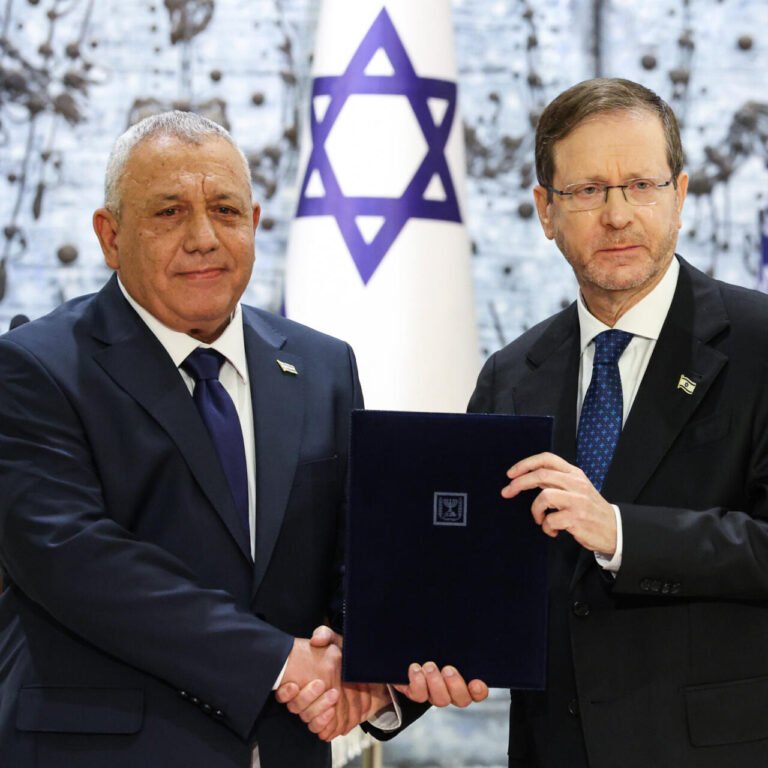
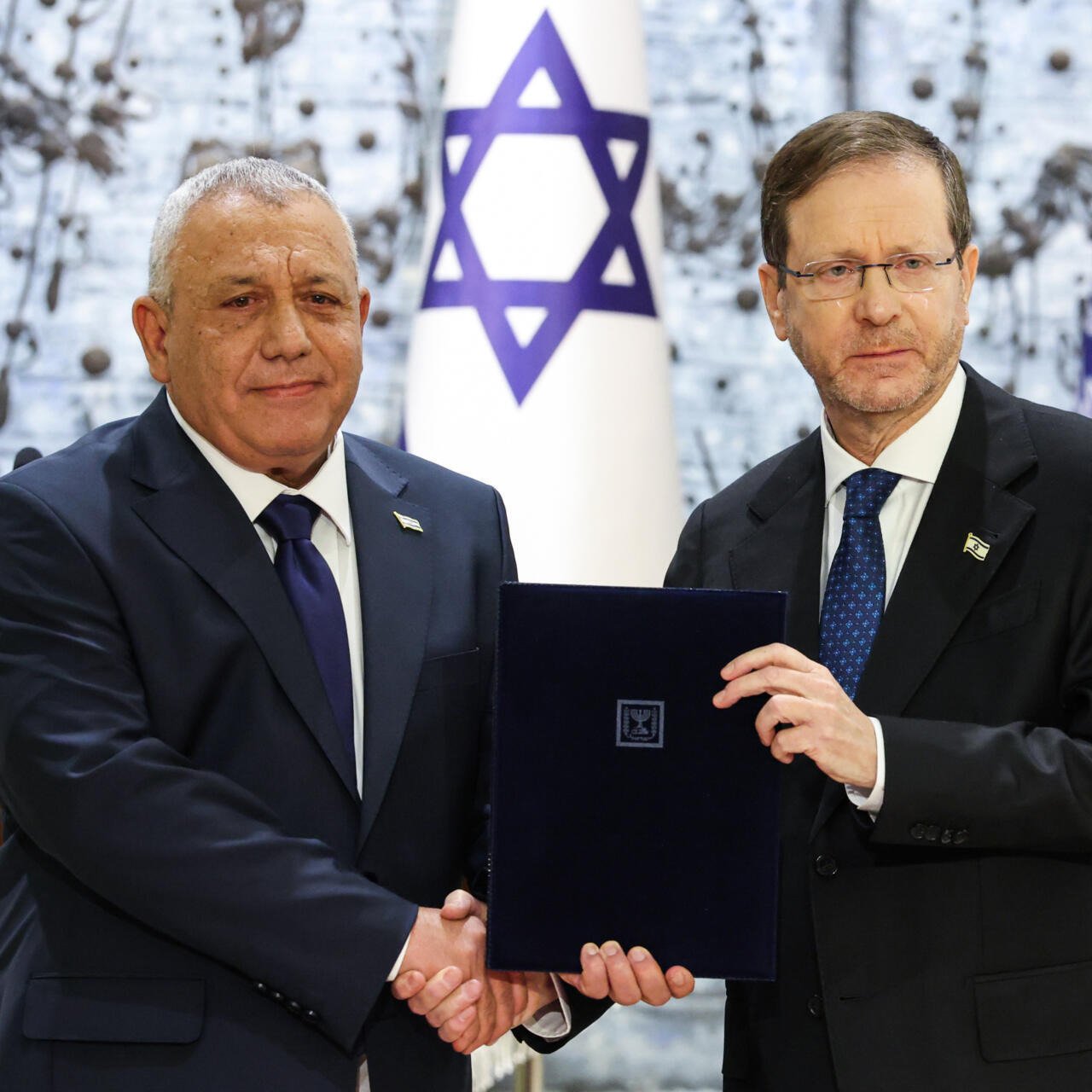
President Isaac Herzog formally tasked Eisenkot with forming a government on November 8, 2026, after 67 lawmakers recommended him compared to 46 backing Netanyahu. Eisenkot holds a 28-day window, with a potential 14-day extension, to assemble a governing coalition following the October 27 election, in which neither rival’s bloc secured a 61-seat parliamentary majority. Netanyahu’s office rejected the criticism, contending that security decisions should not be debated publicly and accusing Eisenkot of politicizing national defense during ongoing threats from Tehran.
The political dispute follows election campaigns during which Netanyahu repeatedly emphasized threats posed by Tehran’s nuclear program, while opposition figures expressed concern over potential military escalation prior to the vote.