For many people in Dubai and entire UAE, checking headlines and social feeds has become a default habit, but the excessive news exposure effects can quietly chip away at Wellbeing. The question raised by Dubai Public Health is simple and timely: how does constant news exposure affect how we feel, sleep, and function, and what can residents and expats do to protect their mental balance?
Key Takeaways: Excessive news exposure effects
- Repeated negative headlines can raise stress and anxiety, especially during doomscrolling.
- Constant checking can disrupt sleep and reduce focus at work and at home.
- Simple limits and better media literacy can support digital wellbeing in the UAE.
The prompt from Dubai Mental Wealth taps into a real Digital Lifestyle challenge. In a city built for speed and connectivity, news media and social media can keep your brain in “always on” mode. That matters for individuals, families, and employers, because it can shape mood, productivity, and when people seek support.
In a high-connectivity market like Dubai, always-on news and social feeds can influence stress levels, productivity, and healthcare demand. Understanding healthy news habits supports public health goals and workplace wellbeing across the UAE.
How can excessive exposure to news affect our wellbeing in Dubai?
In practical terms, excessive exposure often shows up as a loop: you check one update, then another, then an endless feed. When the tone is consistently alarming, your body can react as if the threat is personal and immediate, even if the story is happening far away. Over time, that can contribute to stress and anxiety, irritability, and a sense of helplessness.
For residents balancing long commutes, demanding roles, or family responsibilities, the impact can feel sharper. You might notice you are more reactive in conversations, less patient with colleagues, or mentally “elsewhere” while spending time with friends. This is where Mental Health and daily functioning intersect, not as a dramatic crisis for everyone, but as a steady drain that is easy to ignore.
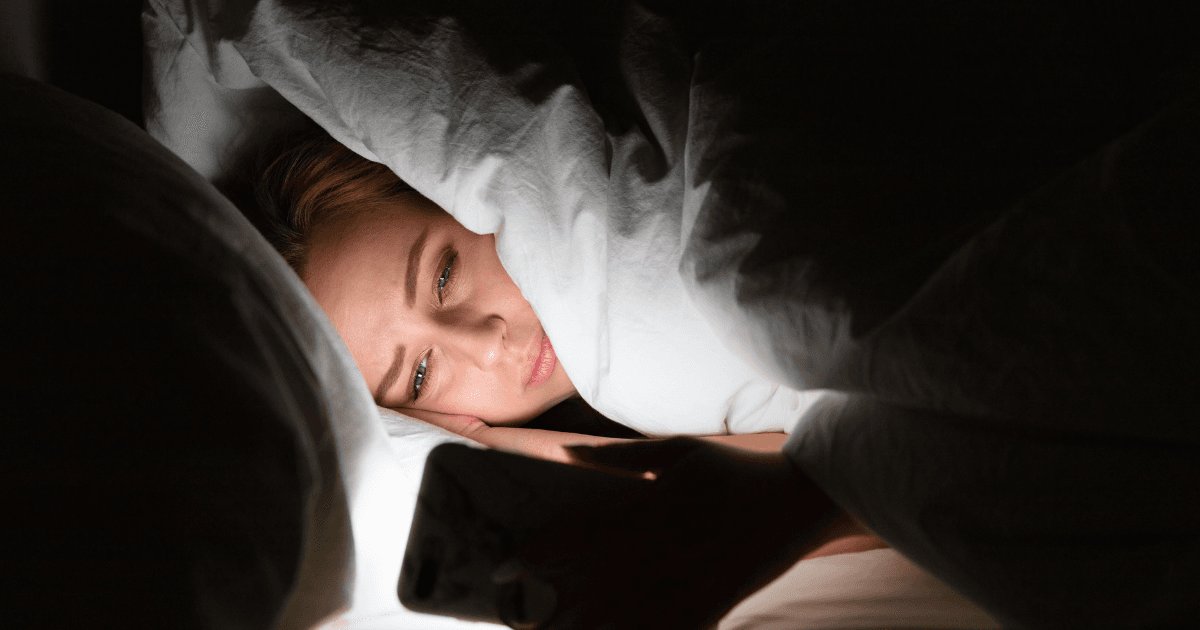
News media also competes with recovery time. Late-night scrolling can delay sleep, fragment rest, and make mornings harder. Even when you fall asleep, your mind may stay on alert, replaying headlines and worst case scenarios.
Does constant negative news increase stress and anxiety
It can, particularly when the pattern becomes doomscrolling, which is the habit of consuming a high volume of negative content in a single sitting. The issue is not “being informed.” The issue is frequency, intensity, and lack of boundaries.
For some people, constant negative updates can amplify worry and create a false sense that danger is everywhere. For others, it can lead to emotional numbness, where you keep scrolling but feel less able to act, connect, or concentrate. In workplaces across Dubai, that can translate into reduced focus, more mistakes, and lower motivation, all of which tie directly to news consumption and wellbeing.
Media literacy also matters here. When people consume unverified claims, sensational clips, or misleading summaries, the emotional impact can spike because the brain treats uncertainty as risk. Choosing reliable sources and checking context can reduce that “threat response,” even when the news is genuinely serious.
What are signs you should take a break from the news
A break may help if you notice you are checking updates compulsively, feeling tense after scrolling, struggling to sleep, or finding it hard to focus without reaching for your phone. If news alerts interrupt meals, meetings, or family time, that is another signal that your media consumption has moved from intentional to automatic.
That said, this guidance does not apply in the same way to everyone. Some people cannot fully step back because they need real-time updates for their job, such as journalists, emergency responders, communications teams, and certain public-facing roles. Others may need to monitor news for safety or travel reasons. Even then, the goal is not unlimited exposure. It is structured exposure, with clear time windows and trusted sources.
In the middle of a busy Dubai day, small changes often work better than big promises. Turn off non-essential alerts, avoid late-night scrolling, and set a specific time to catch up. If you want to stay informed without feeling flooded, focus on fewer, higher-quality updates rather than endless feeds. That approach supports digital wellbeing without disconnecting you from what matters.
As Dubai Public Health continues to push Dubai mental health awareness, the most practical next step is personal: decide when you will consume news, decide which sources you trust, and give your mind a daily window to recover. If anxiety, sleep problems, or low mood persist, consider speaking to a qualified professional.