Dubai RTA warns against unlicensed taxis as fines and safety risks rise
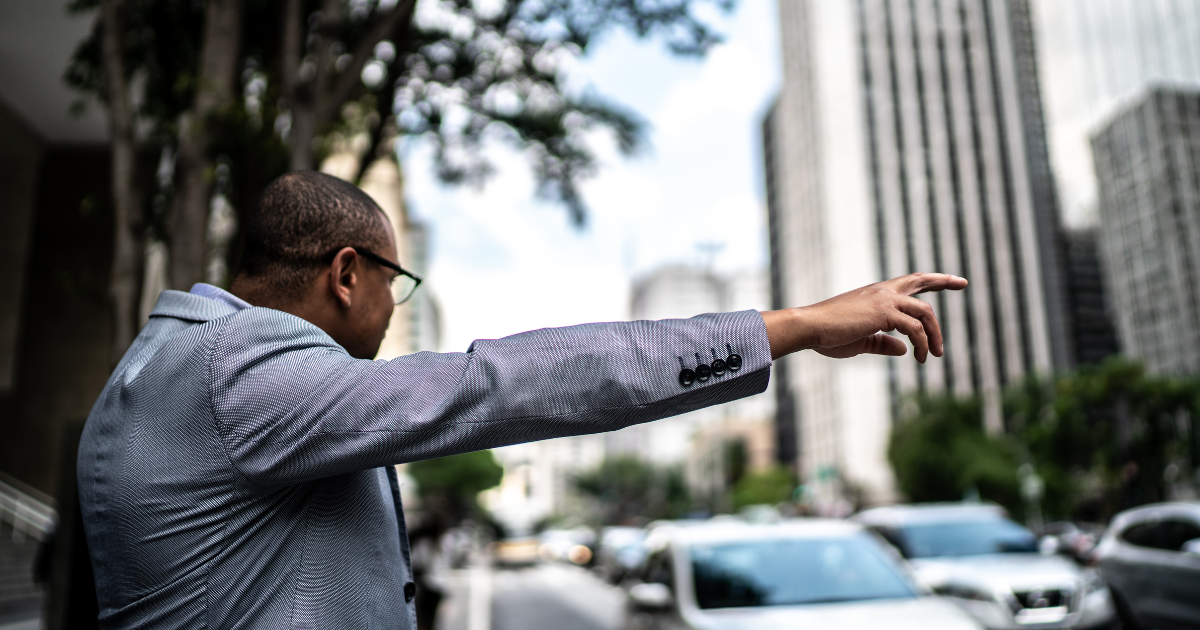
In a proactive move to bolster regulated transport services, the Dubai RTA has officially reinstated the use of licensed taxis, underscoring their commitment to providing secure and compliant passenger journeys across the emirate, while advising residents and visitors to avoid unlicensed passenger rides due to documented risks including assault, theft, fraud, or threats.
RTA said passengers should use only licensed taxis or operators contracted by RTA for passenger transport services, noting these fleets are monitored through “smart control systems” to support safety and security during trips across Dubai.
The authority linked illegal passenger transport to Executive Council Resolution No. (6) of 2016, which regulates passenger transport by vehicles in Dubai. RTA stated that violations can trigger an AED 5,000 fine and vehicle impoundment, targeting the illegal operator and vehicle involved.
RTA also advised riders to book trips and pay fares through official apps and secure payment methods, which helps keep trip records and reduces exposure to cash disputes, overcharging claims, and identity or payment fraud.
Quick Intel
- Legal basis: Executive Council Resolution No. (6) of 2016 regulates passenger transport by vehicles in Dubai and is cited by RTA in its April 4, 2026 advisory.
- Penalty: Illegal passenger transport can lead to an AED 5,000 fine plus vehicle impoundment, according to RTA.
- Safety risk: RTA explicitly warned unlicensed rides can expose passengers to assault, theft, fraud, or threats.
- Best practice: Use RTA-licensed taxis or RTA-contracted operators and pay via official apps to keep traceable trip and payment records.
To bolster passenger safety and accountability, the RTA has long implemented new, specific safety measures for licensed taxis, including the installation of in-car cameras and advanced GPS tracking systems.
In Dubai, ensure you book only through RTA-approved channels, as unlicensed rides can pose personal safety risks and lead to enforcement consequences for both operators and riders.

UAE Work Visa Police Clearance for Filipinos, New Rule
New Police Clearance Requirement for Filipino UAE Work Visa Applicants
What changed
Effective 15 August 2026, Filipino nationals applying for a UAE work visa must attach a police clearance certificate that has been issued and attested by the relevant UAE authorities.Who needs to prepare the police clearance?
Filipino citizens seeking any category of employment‑related visa, from skilled‑worker permits to domestic‑helper sponsorship, are now subject to the new document requirement. The rule also applies to applicants from 44 other nationalities, but the impact is most immediate for Filipino job‑seekers and the companies that hire them. Employers, recruitment agencies, and PRO offices must treat the certificate as a mandatory item on the visa checklist.Steps to secure and submit the certificate
- Obtain a police clearance from the Philippines (or the applicant’s current country of residence) and ensure it bears the official seal.
- Have the certificate attested by the UAE embassy or consulate in the issuing country, then submit it for final authentication through the Ministry of Foreign Affairs portal (MOFA), the same channel used by the ICP for visa documentation.
- Upload the attested clearance to the Immigration and Passports (ICP) online portal when filing the work‑visa application.
- Notify the Ministry of Human Resources and Emiratisation (MOHRE) via its e‑services portal so the labor card can be processed without delay.
Penalties for non‑compliance
The source does not disclose specific fine amounts or sanctions for failing to provide the police clearance. However, applicants who submit incomplete files will face visa rejection, and employers may incur processing delays that affect start‑date commitments.
Lionel Messi 20th World Cup goal lifts Golden Boot lead
Messi's 20th World Cup strike crowns him Golden Boot frontrunner
Lionel Messi netted his 20th World Cup goal on July 4, 2026, during the 2026 FIFA World Cup. The tally propels Argentina’s captain to the top of the tournament’s Golden Boot race.
The strike extended his scoring run to eight straight matches and eclipsed Miroslav Klose’s all‑time World Cup tally.
Messi’s 20th World Cup goal puts him ahead in the Golden Boot standings. Kylian Mbappé and Erling Haaland were next in the Golden Boot standings with six goals each as of July 3, 2026, trailing Messi’s tournament-leading total.

Emirates urges early arrival at DXB July 3‑5
DXB faces heavy traffic July 3‑5; Emirates tells flyers to add three‑hour buffer
Dubai International Airport (DXB) will see a surge of passengers from July 3‑5, 2026.
Longer queues and tighter gate cut‑offs at DXB terminals
The advisory reflects Dubai’s broader effort to keep airport flow smooth during seasonal travel spikes.

Dubai Customs Foil Pregabalin Smuggling Attempt
Dubai Authorities Thwart Pregabalin Smuggling Attempt
Dubai Customs and Dubai Police seized 278,850 Pregabalin pills in the initial smuggling attempt, according to official details of the joint operation, a controlled substance, weighing around 200 kg. The operation resulted in the arrest of a four-member gang, underscoring the authorities' ongoing efforts in border-security and anti-narcotics enforcement.
The seizure of 278,850 pregabalin tablets is a significant blow to drug trafficking networks in the UAE. Dubai Customs and Dubai Police have been working together to identify and intercept shipments of controlled substances, and this operation reflects their effective collaboration.
Dubai Customs and Dubai Police's joint operation is part of a broader effort to protect the community from the harm caused by controlled substances. Pregabalin is treated as a controlled substance in the UAE, and trafficking cases are typically handled as serious narcotics/controlled-medicine offenses.
The authorities' actions have prevented the diversion of these pills into local distribution markets, reducing the risk of harm linked to their misuse. This operation demonstrates the commitment of Dubai Customs and Dubai Police to enforcing border security and anti-narcotics laws, ensuring the safety and well-being of the community.
Officials said the joint operation reinforced Dubai’s leadership in border security and efforts to counter smuggling and protect the community.
The 200kg shipment of pregabalin pills was seized in a joint operation, resulting in the arrest of a four-member gang. This operation is a significant achievement for Dubai Customs and Dubai Police, demonstrating their effectiveness in identifying and intercepting shipments of controlled substances.

Emirates ID: Risks You Should Know Before You Share
Protect Your Emirates ID: The Hidden Dangers of Routine Sharing
As a resident in the UAE, you're likely familiar with the importance of your Emirates ID. However, a common habit among residents - sending Emirates ID copies for routine requests - can increase your exposure to identity theft and fraud. Authorities are warning against this practice, especially when sharing ID copies over WhatsApp or email.
The warning focuses on the potential risks of sharing Emirates ID copies, which can be stored, forwarded, or reused without the holder's knowledge. Emirates ID is a high-trust identifier used across many verification flows, and if misused, it can enable impersonation attempts, fraudulent account creation, unauthorized service sign-ups, or social-engineering scams.
Residents are advised to verify whether the request is mandatory and whether the recipient is authorized. It's recommended to prefer official portals or in-person verification when possible, avoid sending ID images over informal channels like WhatsApp, and limit exposure by sharing only what is necessary for the stated purpose. Red flags include requests from unverified numbers or emails, pressure to share immediately, unclear purpose for collection, or businesses that cannot explain how the data will be stored and protected.
For those who have already shared their Emirates ID copies, it's essential to be vigilant and monitor their accounts and personal data for any suspicious activity. If you suspect that your Emirates ID has been misused, you should report it to the relevant authorities immediately.
In the UAE, residents can take steps to protect their Emirates ID data by being cautious when sharing their ID copies. By being aware of the potential risks and taking the necessary precautions, residents can reduce their exposure to identity theft and fraud.
To protect your Emirates ID data, follow these best practices:
- Verify the recipient's authenticity before sharing your ID copy.
- Use official portals or in-person verification when possible.
- Avoid sending ID images over informal channels like WhatsApp.
- Limit exposure by sharing only what is necessary for the stated purpose.