
Dubai ordered to merge all government digital services into one system within 12 months
On Wednesday, His Highness Sheikh Hamdan bin Mohammed bin Rashid Al Maktoum, Crown Prince of Dubai and UAE Deputy Prime Minister, directed all Dubai government entities to integrate services for individuals and businesses into a single unified digital ecosystem within one year. The order applies across Dubai, and it targets the full customer journey, not just separate online forms.
For Dubai residents, the practical change involves fewer repetitive steps across departments. Many of Dubai’s common transactions, such as bill payments, fines, permits, and municipal services, are already available online. However, users often have to re-enter the same data and upload identical documents to different entities. A unified system aims to eliminate this duplication and reduce in-person visits to Dubai service centers.
For companies operating in Dubai, the one-year deadline is significant because licensing and compliance procedures often involve multiple agencies. The directive seeks to streamline these processes, allowing businesses to complete approvals and renewals with fewer transitions. This is anticipated to reduce processing difficulties for SMEs and large employers, particularly in workflows related to hiring, permits, and ongoing reporting obligations in Dubai.
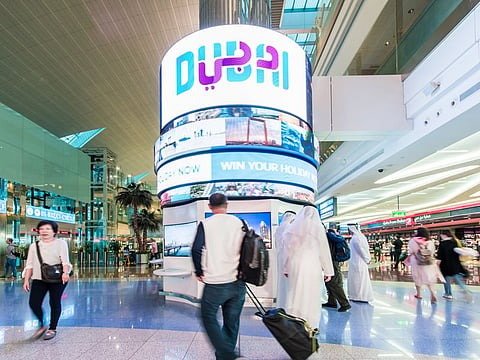
Dubai already possesses essential infrastructure to support integration. This includes the Dubai Paperless Strategy, the DubaiNow services channel, and the UAE Pass digital identity, which is used for secure login and digital signatures in the UAE. Over the next 12 months, agencies will be tested on their ability to align back-end data standards, service design, and consent rules, allowing residents and businesses to experience a unified journey rather than navigating multiple portals.
Quick Intel
- Deadline: Dubai government entities have one year from the Wednesday directive to integrate individual and business services into a unified digital ecosystem.
- Who is affected: Residents and businesses in Dubai using multi-agency processes such as permits, fines, licensing, and municipal transactions.
- What should change: Fewer duplicate form fields and document uploads across agencies, with a stronger push for single sign-in via UAE Pass and end-to-end digital completion.
- What to watch next: Announcements naming the main “front door” platform (such as expanded DubaiNow services), plus new service bundles built around life events like moving home or starting a business in Dubai.
Expats and employers should maintain an active and updated UAE Pass. They should also monitor Dubai government notices over the next 12 months for any changes to logins, required documents, and locations for completing key transactions.

Dubai Dh18 Billion Projects Announced
Dubai's Dh18 Billion Transformation Package: What You Need to Know
As Dubai's Crown Prince Sheikh Hamdan bin Mohammed bin Rashid Al Maktoum announces a Dh18 billion package of strategies and projects, residents and businesses are wondering what changes to expect. The initiatives aim to transform the emirate, impacting its cultural strategy, major roads, population count, and address system.
For individuals and families, the changes to Dubai's cultural strategy may mean new programming, venues, and creative-economy initiatives. This could lead to a more vibrant cultural scene, with more opportunities for entertainment, education, and community engagement. On the other hand, businesses, especially those in the logistics and transportation sectors, will be keenly watching the road upgrades, which can reshape commute reliability and freight routing.
The population count initiative will provide more accurate administrative population measurement and planning inputs for housing, schools, and healthcare. This, in turn, can lead to better resource allocation and more efficient public services. Meanwhile, the address system update will standardize and digitally integrate the emirate's addressing, making it easier for emergency response, deliveries, and government services to reach their destinations.
To stay informed about the rollout phases and implementation details, residents and businesses should track official follow-up documents from the relevant authorities. These documents will likely clarify project lists, timelines, procurement/contracting phases, and which agencies are responsible for delivery.
As the transformation package unfolds, it's essential to understand the potential impacts on daily life and business operations. While some changes may be noticeable immediately, others may take time to materialize. By staying informed and adapting to the changes, residents and businesses can navigate the transformation and make the most of the opportunities it presents.

Etihad Rail cuts Abu Dhabi‑Fujairah commute to 1h 40m
Kalba commuter shaves two hours off daily trip thanks to new rail
At 7 a.m. on a Tuesday, a Kalba commuter steps onto the Etihad Rail platform, ticket in hand, ready for a journey that will end in Abu Dhabi in just 1 hour 40 minutes.
From three‑hour drives to a two‑hour commute

Emirates urges early arrival at DXB July 3‑5
DXB faces heavy traffic July 3‑5; Emirates tells flyers to add three‑hour buffer
Dubai International Airport (DXB) will see a surge of passengers from July 3‑5, 2026.
Longer queues and tighter gate cut‑offs at DXB terminals
The advisory reflects Dubai’s broader effort to keep airport flow smooth during seasonal travel spikes.

Dubai Customs Foil Pregabalin Smuggling Attempt
Dubai Authorities Thwart Pregabalin Smuggling Attempt
Dubai Customs and Dubai Police seized 278,850 Pregabalin pills in the initial smuggling attempt, according to official details of the joint operation, a controlled substance, weighing around 200 kg. The operation resulted in the arrest of a four-member gang, underscoring the authorities' ongoing efforts in border-security and anti-narcotics enforcement.
The seizure of 278,850 pregabalin tablets is a significant blow to drug trafficking networks in the UAE. Dubai Customs and Dubai Police have been working together to identify and intercept shipments of controlled substances, and this operation reflects their effective collaboration.
Dubai Customs and Dubai Police's joint operation is part of a broader effort to protect the community from the harm caused by controlled substances. Pregabalin is treated as a controlled substance in the UAE, and trafficking cases are typically handled as serious narcotics/controlled-medicine offenses.
The authorities' actions have prevented the diversion of these pills into local distribution markets, reducing the risk of harm linked to their misuse. This operation demonstrates the commitment of Dubai Customs and Dubai Police to enforcing border security and anti-narcotics laws, ensuring the safety and well-being of the community.
Officials said the joint operation reinforced Dubai’s leadership in border security and efforts to counter smuggling and protect the community.
The 200kg shipment of pregabalin pills was seized in a joint operation, resulting in the arrest of a four-member gang. This operation is a significant achievement for Dubai Customs and Dubai Police, demonstrating their effectiveness in identifying and intercepting shipments of controlled substances.

Emirates ID: Risks You Should Know Before You Share
Protect Your Emirates ID: The Hidden Dangers of Routine Sharing
As a resident in the UAE, you're likely familiar with the importance of your Emirates ID. However, a common habit among residents - sending Emirates ID copies for routine requests - can increase your exposure to identity theft and fraud. Authorities are warning against this practice, especially when sharing ID copies over WhatsApp or email.
The warning focuses on the potential risks of sharing Emirates ID copies, which can be stored, forwarded, or reused without the holder's knowledge. Emirates ID is a high-trust identifier used across many verification flows, and if misused, it can enable impersonation attempts, fraudulent account creation, unauthorized service sign-ups, or social-engineering scams.
Residents are advised to verify whether the request is mandatory and whether the recipient is authorized. It's recommended to prefer official portals or in-person verification when possible, avoid sending ID images over informal channels like WhatsApp, and limit exposure by sharing only what is necessary for the stated purpose. Red flags include requests from unverified numbers or emails, pressure to share immediately, unclear purpose for collection, or businesses that cannot explain how the data will be stored and protected.
For those who have already shared their Emirates ID copies, it's essential to be vigilant and monitor their accounts and personal data for any suspicious activity. If you suspect that your Emirates ID has been misused, you should report it to the relevant authorities immediately.
In the UAE, residents can take steps to protect their Emirates ID data by being cautious when sharing their ID copies. By being aware of the potential risks and taking the necessary precautions, residents can reduce their exposure to identity theft and fraud.
To protect your Emirates ID data, follow these best practices:
- Verify the recipient's authenticity before sharing your ID copy.
- Use official portals or in-person verification when possible.
- Avoid sending ID images over informal channels like WhatsApp.
- Limit exposure by sharing only what is necessary for the stated purpose.