Hormuz shipping risk drops after US–Iran pause
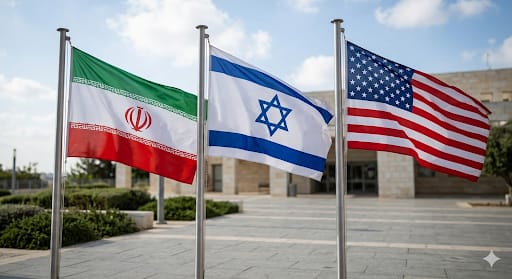
A two-week US Iran ceasefire has started, with Tehran temporarily reopening the Strait of Hormuz reopened route that underpins UAE import flows and Gulf energy shipments, cutting immediate disruption risk across a world wide economic sectors including in Dubai. The United States and Iran announced a two-week ceasefire on April 7, 2026, triggering the temporary reopening of the Strait of Hormuz after days of heightened disruption risk.
Under the ceasefire terms, Iran is required to halt attacks and keep the Strait of Hormuz open to international shipping for the duration of the two-week truce pending a deal with the factions
Impact on shipping, fuel, and travel in the UAE
For UAE logistics and retail supply chains, the immediate concerns are vessel schedules and insurer advisories related to Hormuz transits into Jebel Ali Port (DP World) and Port Rashid, along with onward trucking into industrial zones such as JAFZA, Al Quoz, and Dubai Industrial City. A reopened strait reduces short-term rerouting pressure and stabilizes delivery windows for containerized imports that supply supermarkets and construction sites across Dubai, Sharjah, and Ajman.
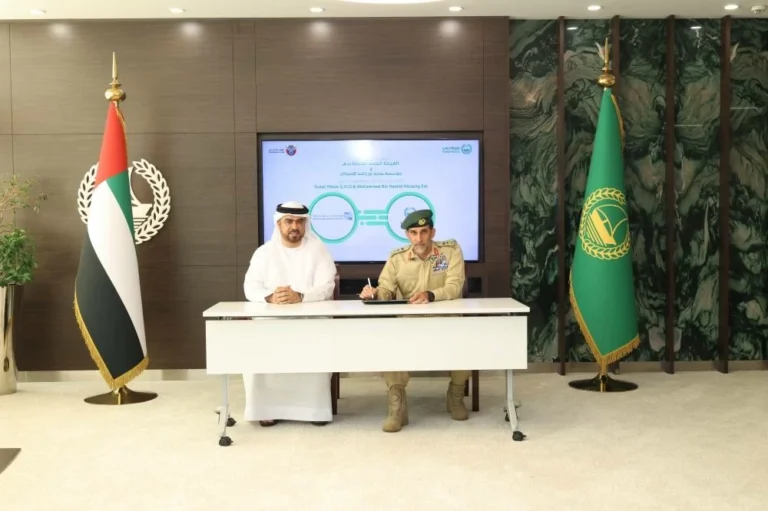
On diplomacy, UAE messaging frames the de-escalation as a strategic win for regional stability, aligning with Abu Dhabi’s continuity-of-trade priority through hubs such as Khalifa Port (Abu Dhabi Ports) and Dubai’s re-export engine through Jebel Ali.
At a glance for UAE residents and businesses
- Ceasefire length: Two weeks between the United States and Iran
- Maritime change: Tehran temporarily reopened the Strait of Hormuz
- Diplomatic track: Iran floated a 10-point proposal to end escalation
- UAE posture: Officials framed de-escalation as a strategic win for stability
- Global forum: UN Security Council failed to act on the Hormuz crisis
International bodies welcomed the April 7, 2026 ceasefire and called for a durable settlement to prevent renewed threats to shipping through the Strait of Hormuz.