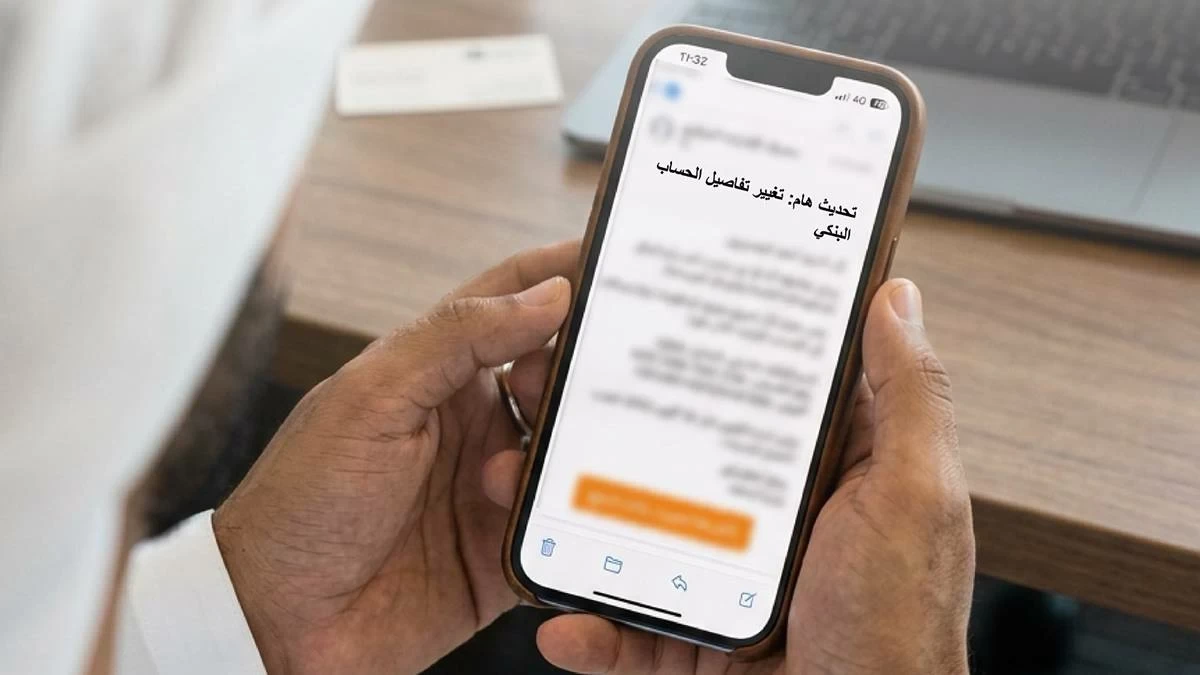
Fake supplier emails: how to stop diverted payments
Abu Dhabi Police have warned UAE companies about a scam where fraudsters intercept email threads between a firm and its suppliers, then change the payment instructions. Emails that look like they come from a trusted beneficiary ask for an update to bank account details for upcoming dues. Because the messages follow real business threads, busy teams can process the change without a second check, and the fraud is usually discovered only after the transfer has gone through. The defence is simple: never authorise a transfer based only on an email asking to change bank details.
The rule police advise
Verify the change directly with the supplier through an independent, official channel before any money moves.
Genuine change or diversion attempt?
| Check | Safer sign | Warning sign |
|---|---|---|
| How the request arrived | Confirmed on a call to a number already on file | Only an email, or a number given in the email |
| Sender address | Matches earlier genuine emails exactly | Differs by a single character |
| Timing | Planned, with notice | Urgent and tied to upcoming dues |
| Approval | A second person signs off the payee change | One person processes it alone |
A simple routine for finance teams
- Treat every bank-detail change as high risk, however familiar the sender looks.
- Call the supplier on a phone number you already have on file, not one in the email.
- Have a second person approve any change to payee details.
- Check the sender’s address carefully, as copies can differ by a single character.
- If a payment has gone to the wrong account, tell your bank and the police immediately, because recovery gets harder with time.
Steps 2 to 5 are practical measures rather than parts of the police statement.
Frequently asked questions
Why is a familiar-looking email still risky?
Because the fraudsters sit inside real email threads, so the message can follow the genuine conversation. Familiarity is exactly what the scam relies on.
Does this only affect large companies?
The warning was addressed to local companies and institutions. Any firm that pays suppliers by transfer can be targeted.
Where to go next
- Fake official calls guide
- Online scam safety guide, with where to report
- Fake apps in the UAE
- Fake customs hold notices, another message-based impersonation scam
Related guides