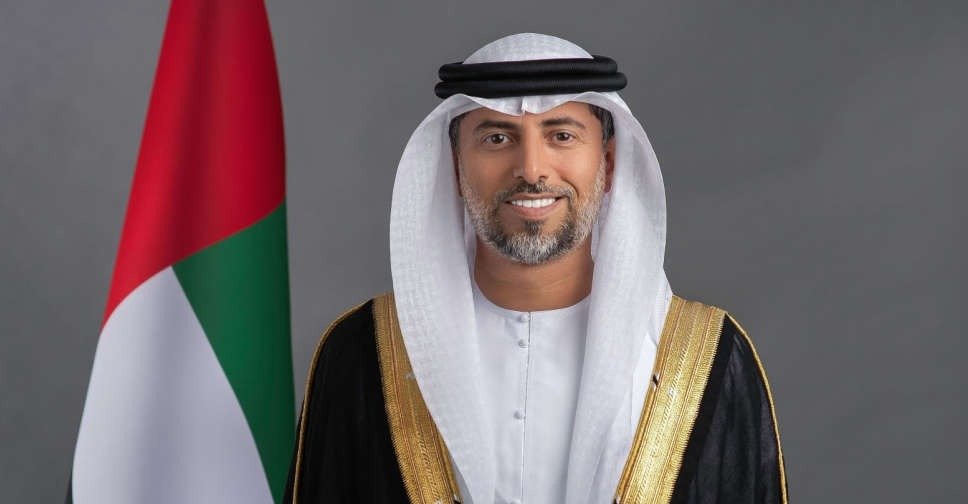
(Credit - UAE Ministry of Energy and Infrastructure)
UAE Exits OPEC and OPEC+: What the Sovereign Break Means for Oil Markets and Residents
When the UAE exits OPEC and OPEC+ , which it formally did on May 1, 2026 , it does not just reshuffle a membership list. It rewrites how one of the Gulf’s biggest producers sets its oil output, prices its crude, and positions itself in a fast-shifting global energy market. On Friday, May 16, 2026, UAE Energy and Infrastructure Minister Suhail Mohamed Al Mazrouei confirmed publicly that the departure was a sovereign strategic choice , not a political manoeuvre , and that every step of the transition was planned to avoid rattling global supply.
UAE Exits OPEC: What Suhail Al Mazrouei Actually Said
Speaking on Saturday, May 16, Al Mazrouei was direct. The UAE’s withdrawal from both OPEC , the long-standing producer bloc , and OPEC+, the broader coalition that has managed coordinated output cuts since the mid-2010s, was driven by national strategic interests and the country’s future energy needs. He was equally clear about what the decision was not: a reaction to political pressure or diplomatic friction. The Ministry of Energy and Infrastructure (MoEI) framed the exit as a calibrated, forward-looking move rather than a break made under duress.
OPEC and OPEC+ function by binding member states to collective production quotas , essentially a ceiling on how much oil each country can pump. By leaving, the UAE is no longer subject to those ceilings. It can now set its own output targets, respond independently to shifts in global demand, and align upstream decisions directly with domestic industrial and economic planning. That is a significant operational shift for a country that has invested heavily in expanding its production capacity through Abu Dhabi National Oil Company (ADNOC).
Why May 1, 2026 Is the Date That Changes the Equation
The exit took effect on May 1, 2026, meaning the UAE has already been operating outside the OPEC+ framework for over two weeks. From that date, ADNOC’s production decisions are no longer tethered to group compliance targets. For global oil traders, that changes the calculus on UAE export volumes. For downstream businesses in the UAE , logistics firms, manufacturers, aviation operators , the indirect effect runs through crude price dynamics. If the UAE ramps production to meet its own growth targets, additional supply entering the market could exert downward pressure on prices, which eventually filters through to fuel and freight costs.
What This Shift Means for the UAE Economy and Everyday Life
Oil revenues remain a structural pillar of public finances across the Gulf. Government spending on infrastructure, social services, and the broader business environment in the UAE is linked, even indirectly, to how well the country monetises its hydrocarbon base. An independent production strategy gives the UAE the flexibility to chase market share during demand surges without waiting for a group consensus , a constraint that had, at various points, created tension between the UAE’s capacity ambitions and OPEC+ quota allocations. At the same time, Al Mazrouei’s emphasis on avoiding market disruption signals that Abu Dhabi is not looking to flood the market overnight. The transition appears designed to be gradual and credibility-preserving.
| Key Detail | Specifics |
|---|---|
| Exit Effective Date | May 1, 2026 |
| Official Framing | Sovereign strategic choice, not politically driven |
| Key Official | Suhail Mohamed Al Mazrouei, Minister of Energy and Infrastructure |
| Governing Body Departed | OPEC and OPEC+ |
| Primary Driver | National strategic interests and future energy needs |
| Market Approach | Planned transition designed to avoid supply disruption |
| Authoritative Source | UAE Ministry of Energy and Infrastructure (MoEI) |
- Production Freedom: The UAE can now set output levels independently, without OPEC+ quota constraints.
- ADNOC’s Role: Abu Dhabi National Oil Company becomes the sole decision-maker on UAE upstream volumes.
- Market Signal: Al Mazrouei stressed the exit was planned to avoid disrupting global crude supply.
- Energy Transition Alignment: The move allows the UAE to synchronise oil policy with its broader energy diversification agenda, including gas and renewables.
Energy traders, procurement teams, and downstream businesses operating in the UAE are the group most immediately exposed to this shift, as contract pricing assumptions and supply forecasts built around OPEC+ compliance benchmarks may need to be revisited for any agreements priced after May 1, 2026. The opportunity lies in the UAE’s newfound flexibility to scale output in line with demand, but the risk is price volatility if coordination among remaining OPEC+ members weakens in response. For verified guidance on UAE energy policy direction, monitor official statements from the Ministry of Energy and Infrastructure at moei.gov.ae.
Q1: When did the UAE officially exit OPEC and OPEC+?
A1: The UAE’s exit from both OPEC and OPEC+ took effect on May 1, 2026. Minister Suhail Mohamed Al Mazrouei confirmed the departure publicly on May 16, 2026, describing it as a sovereign strategic choice aligned with national energy interests.
Q2: Does the UAE leaving OPEC+ mean oil prices will drop?
A2: Not necessarily, and not immediately. Al Mazrouei stated the transition was planned to avoid market disruption. While the UAE now has the freedom to increase production beyond previous OPEC+ quota limits, any output changes are expected to be managed carefully to limit volatility in global crude prices.
Q3: How does the UAE’s OPEC exit affect residents and businesses in Dubai?
A3: The direct day-to-day effect on UAE residents is indirect. Oil revenues influence government spending and infrastructure investment. For businesses in logistics, aviation, and manufacturing, shifts in global crude pricing , which can follow changes in UAE production levels , can eventually affect fuel and freight costs. Energy traders and firms with supply contracts priced after May 1, 2026 should review their assumptions against the new independent production framework.
SEO Title: UAE Exits OPEC, Reshaping Its Oil Strategy From May 2026
Meta Description: UAE exits OPEC and OPEC+ from May 1, 2026 in a sovereign strategic move. Minister Suhail Al Mazrouei says it was not political. Check what changes for markets and businesses.

Etihad Rail cuts Abu Dhabi‑Fujairah commute to 1h 40m
Kalba commuter shaves two hours off daily trip thanks to new rail
At 7 a.m. on a Tuesday, a Kalba commuter steps onto the Etihad Rail platform, ticket in hand, ready for a journey that will end in Abu Dhabi in just 1 hour 40 minutes.
From three‑hour drives to a two‑hour commute

Emirates urges early arrival at DXB July 3‑5
DXB faces heavy traffic July 3‑5; Emirates tells flyers to add three‑hour buffer
Dubai International Airport (DXB) will see a surge of passengers from July 3‑5, 2026.
Longer queues and tighter gate cut‑offs at DXB terminals
The advisory reflects Dubai’s broader effort to keep airport flow smooth during seasonal travel spikes.

Dubai Customs Foil Pregabalin Smuggling Attempt
Dubai Authorities Thwart Pregabalin Smuggling Attempt
Dubai Customs and Dubai Police seized 278,850 Pregabalin pills in the initial smuggling attempt, according to official details of the joint operation, a controlled substance, weighing around 200 kg. The operation resulted in the arrest of a four-member gang, underscoring the authorities' ongoing efforts in border-security and anti-narcotics enforcement.
The seizure of 278,850 pregabalin tablets is a significant blow to drug trafficking networks in the UAE. Dubai Customs and Dubai Police have been working together to identify and intercept shipments of controlled substances, and this operation reflects their effective collaboration.
Dubai Customs and Dubai Police's joint operation is part of a broader effort to protect the community from the harm caused by controlled substances. Pregabalin is treated as a controlled substance in the UAE, and trafficking cases are typically handled as serious narcotics/controlled-medicine offenses.
The authorities' actions have prevented the diversion of these pills into local distribution markets, reducing the risk of harm linked to their misuse. This operation demonstrates the commitment of Dubai Customs and Dubai Police to enforcing border security and anti-narcotics laws, ensuring the safety and well-being of the community.
Officials said the joint operation reinforced Dubai’s leadership in border security and efforts to counter smuggling and protect the community.
The 200kg shipment of pregabalin pills was seized in a joint operation, resulting in the arrest of a four-member gang. This operation is a significant achievement for Dubai Customs and Dubai Police, demonstrating their effectiveness in identifying and intercepting shipments of controlled substances.

Emirates ID: Risks You Should Know Before You Share
Protect Your Emirates ID: The Hidden Dangers of Routine Sharing
As a resident in the UAE, you're likely familiar with the importance of your Emirates ID. However, a common habit among residents - sending Emirates ID copies for routine requests - can increase your exposure to identity theft and fraud. Authorities are warning against this practice, especially when sharing ID copies over WhatsApp or email.
The warning focuses on the potential risks of sharing Emirates ID copies, which can be stored, forwarded, or reused without the holder's knowledge. Emirates ID is a high-trust identifier used across many verification flows, and if misused, it can enable impersonation attempts, fraudulent account creation, unauthorized service sign-ups, or social-engineering scams.
Residents are advised to verify whether the request is mandatory and whether the recipient is authorized. It's recommended to prefer official portals or in-person verification when possible, avoid sending ID images over informal channels like WhatsApp, and limit exposure by sharing only what is necessary for the stated purpose. Red flags include requests from unverified numbers or emails, pressure to share immediately, unclear purpose for collection, or businesses that cannot explain how the data will be stored and protected.
For those who have already shared their Emirates ID copies, it's essential to be vigilant and monitor their accounts and personal data for any suspicious activity. If you suspect that your Emirates ID has been misused, you should report it to the relevant authorities immediately.
In the UAE, residents can take steps to protect their Emirates ID data by being cautious when sharing their ID copies. By being aware of the potential risks and taking the necessary precautions, residents can reduce their exposure to identity theft and fraud.
To protect your Emirates ID data, follow these best practices:
- Verify the recipient's authenticity before sharing your ID copy.
- Use official portals or in-person verification when possible.
- Avoid sending ID images over informal channels like WhatsApp.
- Limit exposure by sharing only what is necessary for the stated purpose.

Trump's $1.4B Crypto Income Disclosure
Trump's Crypto Income Sparks Scrutiny
If you're following the latest developments in cryptocurrency and US politics, a recent report has shed light on Donald Trump's significant income from crypto ventures. According to the report, Donald Trump’s 2025 financial disclosure reported total income of at least $2.2 billion, including more than $1.4 billion tied to cryptocurrency-related earnings largely linked to meme coins, with the largest share attributed to World Liberty Financial, a venture he co-founded. This disclosure has drawn attention due to the potential conflict of interest, as policy positions and regulatory decisions can materially affect digital-asset valuations and related business interests.
For individuals invested in or following the cryptocurrency market, this news may have significant implications. The reported income is substantial, and the fact that it's primarily linked to World Liberty Financial, a venture Trump co-founded, raises questions about the nature of this income and how it might influence his policy positions.
The disclosure described the cryptocurrency income as being largely driven by meme-coin activity, a detail that has intensified questions about how political statements and regulatory signals can move thinly traded digital assets. The filing did not provide a detailed breakdown of counterparties, transaction timing, or the ownership structure underpinning the cryptocurrency income attributed to meme-coin activity.
The disclosure of Trump's crypto income could lead to increased scrutiny of his policy decisions and their potential impact on the digital asset market. As such, it's essential to stay informed about developments in this area and consider the potential implications for investment strategies and risk management.
The disclosure did not specify whether the more than $1.4 billion in cryptocurrency-related income represented realized cash proceeds, unrealized gains, or valuation-based estimates.