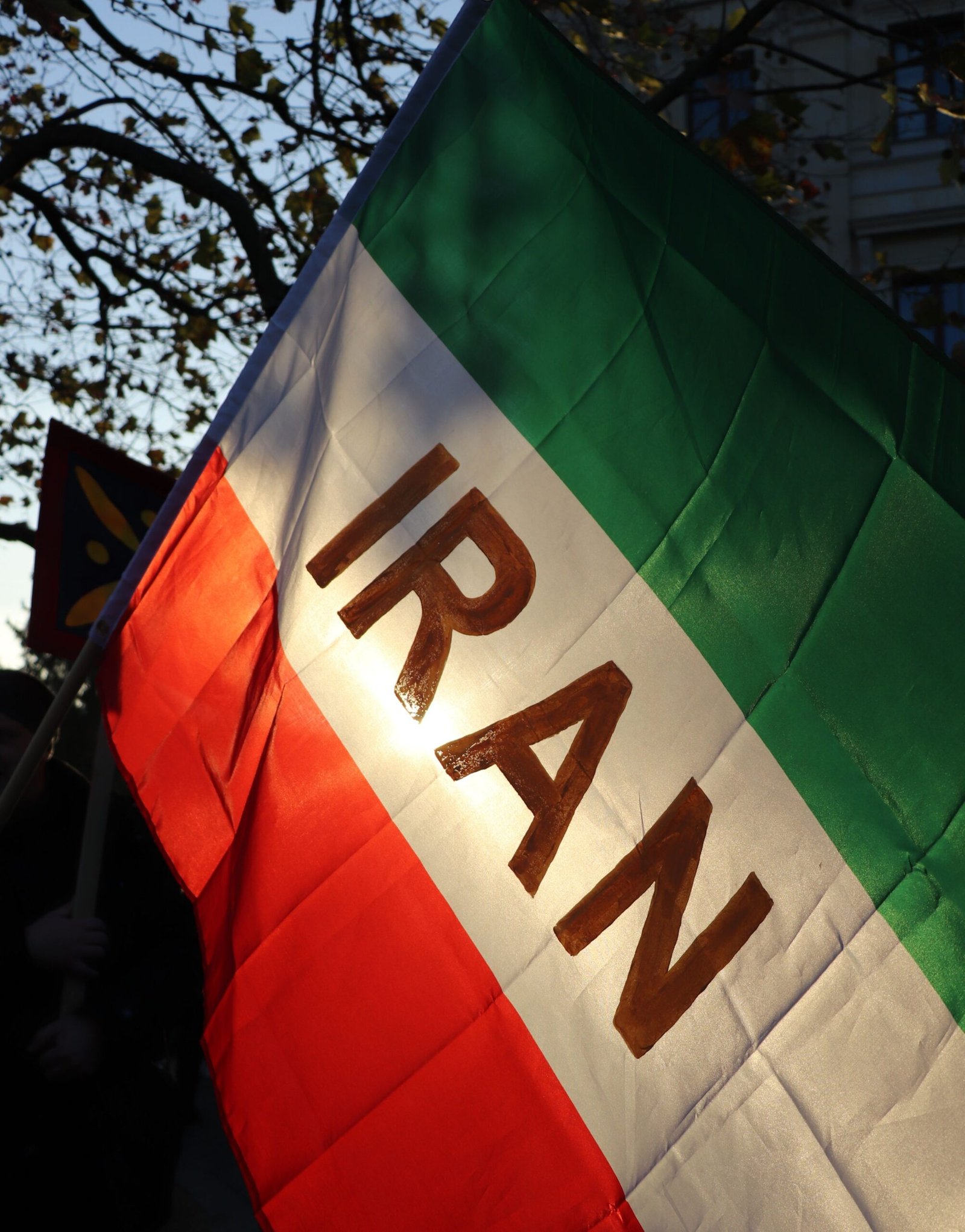
Iran Puts $30,000 Bounty on US Soldiers
Iran’s military announced on Sunday that it was offering a bounty equivalent to $30,000 for killing or capturing US soldiers, with the reward doubled if carried out by a woman. The Iranian Army Chief, Amir Hatami, stated that the plan had been drawn up following “the large number of requests” to participate in the financial support. This move is seen as a response to ongoing hostilities and claimed public requests to provide financial backing for defense efforts.
The bounty, which is equivalent to $30,000, is a significant amount, and the fact that it is doubled for women suggests that Iran is actively encouraging female operatives to participate. The Iranian military has not provided any further details on how the bounty will be implemented or who will be eligible to receive it.
The announcement of the bounty comes at a time of heightened tensions between Iran and the US, with both countries engaging in a war of words and proxy conflicts in the region. The US has not yet responded to the announcement, but it is likely to be seen as a provocative move by the Iranian government.
In recent months, the US and Iran have been involved in a series of escalating incidents, including the downing of a US drone and the seizure of a British-flagged tanker. The situation remains volatile, and the announcement of the bounty is likely to further increase tensions between the two countries.
The Iranian government has framed the bounty as a response to public requests for financial support for defense efforts. However, the move is likely to be seen as a provocative gesture by the US and its allies, and it remains to be seen how the situation will develop in the coming days and weeks.
In the context of recent events, this announcement is the latest in a series of escalations between Iran and the US. On June 17, a 14-point deal was signed, but since then, hostilities have continued to escalate. The situation remains complex and volatile, with both countries engaging in a war of words and proxy conflicts in the region.