Modi Unveils 2047 Goal for Developed India on 80th Independence Day
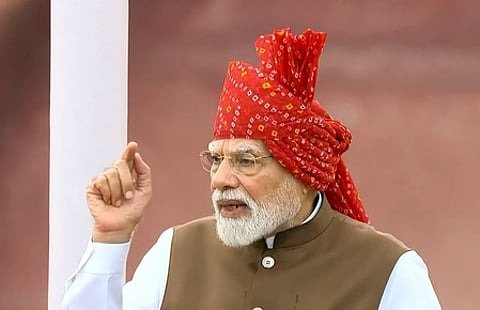
On India’s 80th Independence Day, Prime Minister Narendra Modi addressed the nation from the Red Fort, outlining his vision for a developed India by 2047. Modi emphasized the importance of self-reliance, highlighting significant growth in domestic manufacturing, digital transactions, and defense production over the past decade. He noted that defense production had increased nearly fourfold, while output from Khadi and village industries had grown almost fivefold, and electronics manufacturing had expanded nearly sevenfold.
Modi’s speech focused on the need for India to become self-reliant and protect its interests, citing initiatives such as Make in India, Swadeshi, and Vocal for Local as key drivers of this vision. He also pointed to the expansion of metro networks, public transport, and the delivery of basic amenities like tap-water and gas connections, toilets, and housing for underprivileged families. The Prime Minister expressed confidence that India would achieve its goal of becoming a developed nation by 2047, urging citizens to work collectively towards this ambition.
The ceremony at the Red Fort included the hoisting of the National Flag, synchronized with a 21-gun salute by the ceremonial gunners of the 1721 Field Battery. As India celebrates its 80th Independence Day, Modi’s vision for a developed India by 2047 has set a new trajectory for the nation’s growth and development.
In his address, Modi emphasized the importance of dreaming big and working collectively to achieve ambitious goals. He stated that nations achieve greatness when they are driven by dreams, determination, and inherent strength, adding that “small dreams will no longer suffice” and urging Indians to broaden their vision. With India poised to become the world’s most populous country, its ambition to become a developed nation is expected to draw global attention.
As the country moves forward on the strength of its dreams, Modi’s vision for a developed India by 2047 marks a significant milestone in its journey towards self-reliance and economic growth. The emphasis on regulatory modernization, including the elimination of thousands of compliance requirements and the repeal of hundreds of outdated laws, is expected to further accelerate India’s development.
Yalda Moaiery Gets 15 Years
Yalda Moaiery Sentenced to 15 Years in Prison
Yalda Moaiery, an Iranian photojournalist, was sentenced in absentia to 15 years in prison by Branch 29 of the Tehran Revolutionary Court on August 9, 2026. The court also ordered the confiscation of her electronic devices, including her cameras and mobile phone, and banned her from all cultural and media activities, as well as from holding public office and posting on social media. Photojournalists and journalists, particularly those covering sensitive topics like protests and conflicts in Iran, are affected by this sentencing, as it reflects the country's strict stance on media freedom.
The sentence was handed down under a law enacted after a conflict between Israel and Iran in 2025, which Iranian authorities claim is intended to combat espionage and cooperation with hostile states. Yalda Moaiery's work has repeatedly brought her into conflict with the authorities, and she has been a vocal critic of the Iranian government's human rights record. Her photography has been featured in international magazines and newspapers, including Time, Newsweek, and Le Monde.
The International Federation of Journalists (IFJ) has strongly condemned the sentence, calling it baseless and disproportionate. Moaiery stated that she was unable to attend the hearing, as she had not received any notification. This sentencing is not the first time Moaiery has faced legal issues; in 2022, she was arrested during the Mahsa Amini protests in Iran and spent 92 days in prison.
The case against Yalda Moaiery began in July when the Ministry of Intelligence filed a legal case against her, relating to her media activities, including content she had published online. The authorities deemed this content to be “in the interests of the Zionist regime and the United States.” This move is seen as part of a broader crackdown on press freedom in Iran, where journalists and photojournalists face significant risks when reporting on sensitive topics.
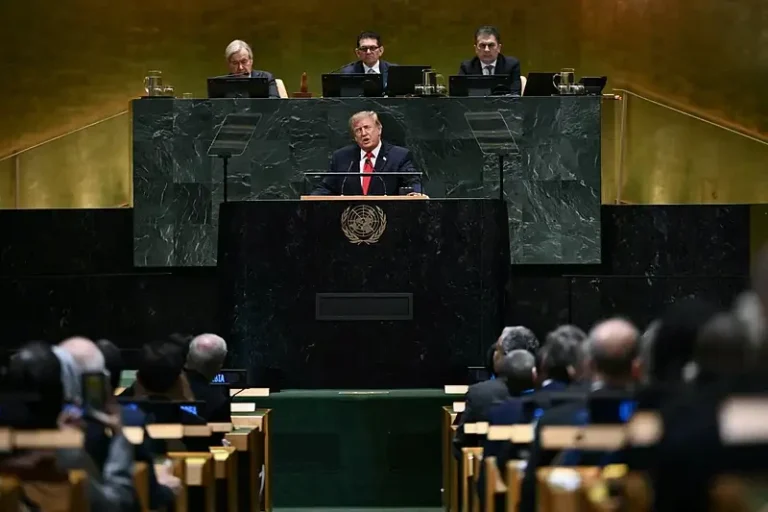
In 2019, Moaiery gained international attention after Donald Trump used one of her photos on social media to support an attack on Iran, which she publicly spoke out against. Her work has focused on documenting wars, conflicts, and natural disasters, as well as life in Iran, including mass protests and the legacy of Iran’s Supreme Leader Khomeini.
The sentencing of Yalda Moaiery to 15 years in prison is a significant escalation of the Iranian government's efforts to suppress press freedom and silence critical voices. The IFJ's condemnation of the sentence reflects the international community's concern over the treatment of journalists in Iran.
The arrest and sentencing of Yalda Moaiery are reminiscent of the crackdown on journalists during the Mahsa Amini protests in 2022, where several journalists, including Moaiery, were arrested and detained. This ongoing suppression of press freedom in Iran has significant implications for journalists and photojournalists working in the country.

USS Abraham Lincoln Returns Home
USS Abraham Lincoln Ends 266-Day Deployment
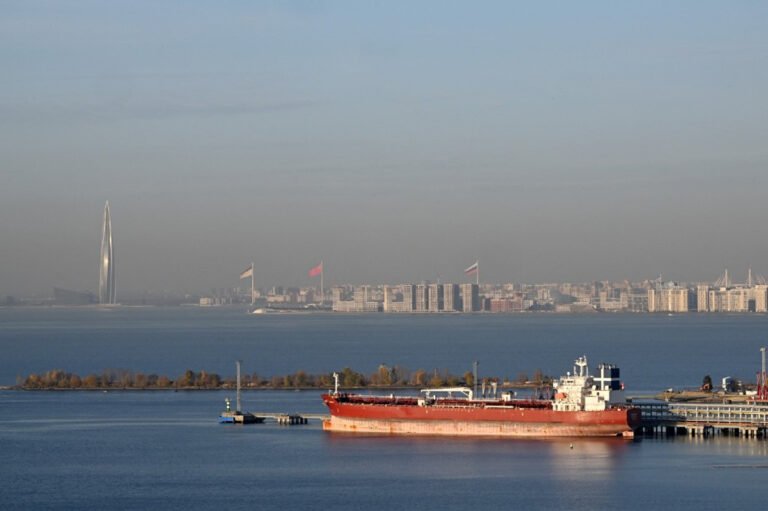
The USS Abraham Lincoln is returning home after completing a 266-day extended combat deployment in West Asia. Local residents with family members on board are eagerly awaiting the aircraft carrier's arrival. The strike group was deployed to maintain maritime security and deterrence during heightened regional tensions.
The USS Abraham Lincoln's deployment lasted 266 days, during which it played a crucial role in maintaining regional stability. The US Navy's decision to deploy the aircraft carrier to West Asia was made in response to increased tensions in the region.
The Strait of Hormuz crisis has been a significant concern for the US Navy, with the USS Abraham Lincoln being part of the efforts to ensure maritime security. Although the crisis is still ongoing, the USS Abraham Lincoln's return marks the end of its extended deployment.
The USS Abraham Lincoln's return home is a significant development, coming after a prolonged period of heightened tensions in West Asia. The aircraft carrier's deployment was part of a broader effort by the US Navy to maintain stability in the region.

Indonesia earthquake 2026: 47 dead
7.7-Magnitude Earthquake Strikes Eastern Indonesia, Killing at Least 47
A 7.7-magnitude earthquake struck off eastern Indonesia's Flores Island on August 15, 2026, causing widespread destruction and killing at least 47 people. The earthquake triggered tsunami waves of less than 1 meter and dozens of aftershocks, hampering rescue efforts. Rescuers are searching for survivors amidst landslides, power outages, and damaged communications.
The earthquake hit just north of Flores Island, about a thousand miles east of Jakarta, the capital. It caused several buildings to collapse on the island, and was one of the largest temblors to hit the area in more than 30 years. The national disaster mitigation agency BNPB initially reported one dead and four injured, but the death toll has since risen to at least 47.
The governor of East Nusa Tenggara Province, Emanuel Melkiades Laka Lena, told a press conference that the deaths were caused by collapsing rubble as people slept. The United States Geological Survey reported that the earthquake was one of the largest the region had experienced in decades.
This disaster is the latest in a series of natural disasters to affect Indonesia, which is located on the Pacific Ring of Fire. The country is prone to earthquakes, tsunamis, and volcanic eruptions due to its location on the intersection of several tectonic plates.
The earthquake has caused significant damage and disruption to the affected areas, with many buildings destroyed and power outages reported. The full extent of the damage is still being assessed, but it is clear that the earthquake has had a devastating impact on the region.
In recent years, Indonesia has experienced several major earthquakes, including a 7.5-magnitude earthquake that struck the island of Sulawesi in 2018, killing over 4,000 people. The country has also been affected by other natural disasters, such as tsunamis and volcanic eruptions, which have caused significant loss of life and damage to infrastructure.

Taliban 5 years power marked with parades
Taliban Celebrates 5 Years in Power
The Taliban government celebrated five years of ruling Afghanistan on August 15, 2026, with flags, convoys of military vehicles, and public gatherings near the former U.S. embassy in Kabul. Hundreds of Afghans gathered in a square, waving white Taliban government flags and taking selfies, while men, boys, and young girls packed into pickup trucks. Taliban security personnel were seen near the former U.S. Embassy, and military helicopters flew over the capital.
Some Kabul residents said they feel safer after decades of conflict and upheaval but stressed that the leaders should now focus on creating jobs and expanding access to schools in the country. Mohammad Qasim, 30, reflected on the anniversary, saying, "Thank God, the past five years have passed in safety. Our wish and hope from the government is to create job opportunities." The authorities hosted a cricket match and other sports events, but girls and women were banned from attending.
The Taliban took Kabul unopposed on August 15, 2021, after a lightning offensive that swept across Afghanistan, toppling government forces in the wake of the chaotic withdrawal of U.S.-led troops. The anniversary comes against a backdrop of economic hardship in a conflict-stricken country, with some residents pointing to ongoing restrictions on women, including a ban on education for girls above the age of 12.
This celebration marks a significant milestone in the Taliban's rule, which has been marked by both improved security and severe restrictions on women's rights. As the Taliban looks to the future, it remains to be seen how they will address the economic and social challenges facing the country.

Jason Arday: UK PM Andy Burnham Calls Death Tragedy
Jason Arday's Death Sparks Reflection from UK PM Andy Burnham
British Prime Minister Andy Burnham described the death of Jason Arday, the University of Cambridge's youngest ever Black professor, as a "tragedy on so many levels" after Arday was found dead at the age of 41. Arday had resigned from his position as a professor of sociology of education earlier this month following accusations of plagiarism, which he denied. Burnham's comments came a day after Arday's body was discovered in Battersea, southwest London, with the Metropolitan Police stating that the death is not believed to be suspicious.
The prime minister urged reflection, saying, "It's not a moment for any rushing to judgement. It's a moment for reflection, I would say, reflecting on how things came to this." Arday's family had stated that he was the victim of a campaign of misinformation and harassment. The death has sparked a call for reflection on the circumstances surrounding Arday's resignation and the impact of public controversy on individuals.
Jason Arday's resignation from the University of Cambridge was a result of the plagiarism allegations, which he had denied. His death has prompted responses from UK leaders, with Burnham leading the call for reflection. The Metropolitan Police have confirmed that the death is not believed to be suspicious, but the exact circumstances are still being investigated.
The death of Jason Arday has been met with an outpouring of support for his family and friends, with many calling for a greater understanding of the pressures and challenges faced by those in the public eye. As the investigation into Arday's death continues, the UK is reflecting on the tragedy and the need for greater support and understanding for those affected by public controversy.