435 House Seats and One UN Race: How US Power Shapes Both
Two major political contests are moving at once, and both run directly through Washington. On November 3, American voters head to the polls for midterm elections that will decide control of Congress for the final two years of US President Donald Trump’s second term. At the same time, diplomats at United Nations headquarters are working to select a successor to António Guterres, whose second term ends on December 31, following the formal nomination of veteran UAE diplomat Lana Nusseibeh on October 21.
What the November 3 Midterms Actually Decide
The upcoming vote settles all 435 voting seats in the House of Representatives alongside 35 seats in the Senate. Republicans currently hold the majority in both chambers, backing the administration’s legislative agenda. Voters are weighing debates over the cost of living, the conflict involving Iran, and changes to congressional district boundaries. The resulting shift dictates which party steers federal spending, legislation, and congressional oversight through the remainder of the presidential term.
How Congress Influences Foreign Policy
While the president remains the central driver of diplomacy, Congress holds the purse strings. Lawmakers possess the power to question officials, probe foreign policy decisions, and approve or restrict funding for international programmes. The Senate also holds confirmation power over presidential nominees for ambassadors and other senior posts. A shift in congressional control changes how international priorities are funded and scrutinized, though it does not automatically reverse existing foreign policy choices.
Inside the UN Secretary-General Selection Process
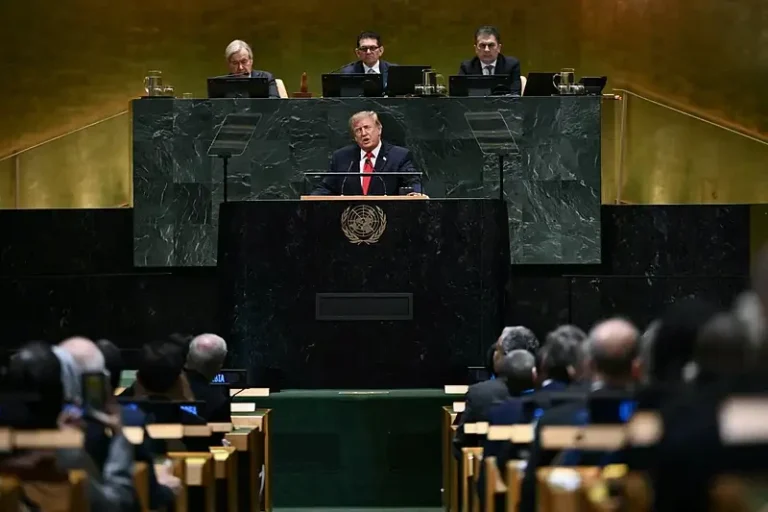
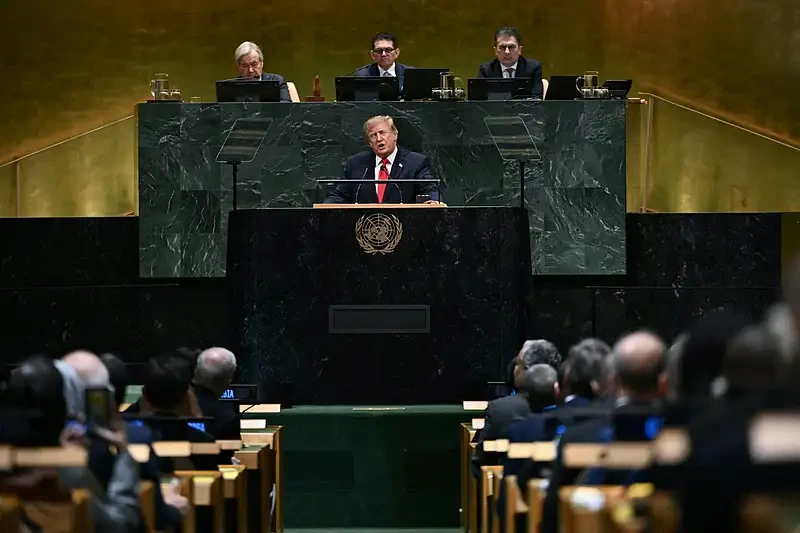
The race to replace António Guterres operates under a different rulebook entirely. Under Article 97 of the UN Charter, the General Assembly appoints the secretary-general following a recommendation from the Security Council. That Council features 15 members, including five permanent veto-holding powers: the United States, China, Russia, France, and the United Kingdom. Lana Nusseibeh entered this contest, seeking diplomatic support from member states through informal voting rounds known as straw polls rather than public campaigning.
The Connection Between Washington and Turtle Bay
American voters do not cast ballots for the UN Secretary-General, and members of Congress hold no direct vote in the appointment. Furthermore, the UN selection process is already underway, while the newly elected US Congress will not take office until January 2027. Instead, the connection lies in the broader relationship: the makeup of the next Congress will influence future funding decisions, legislation, and oversight regarding international institutions.