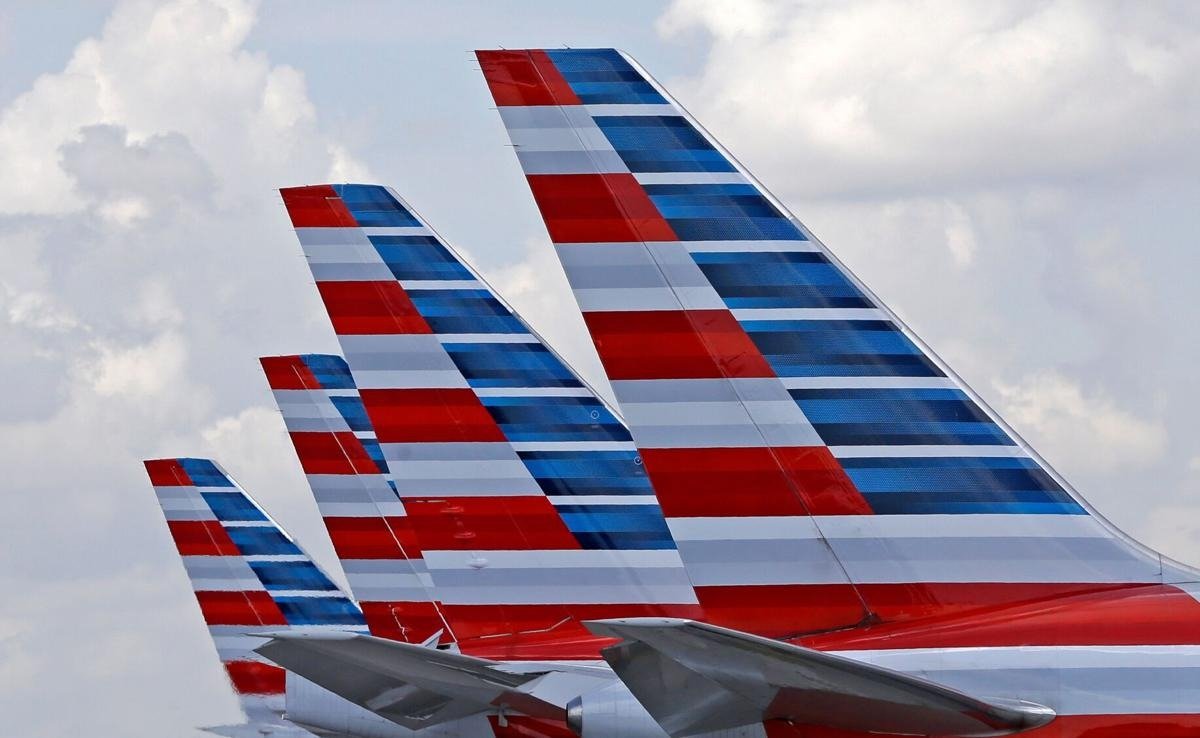
Quick-Thinking Controller Averts Disaster as Two American Airlines Planes Share Same Flight Number
On August 14, 2026, a potential disaster was averted when a Phoenix air traffic controller recognized that two American Airlines jets were mistakenly flying with the same flight number, American 2482. The controller acted quickly to avoid confusion and keep the planes at a safe distance apart. Audio of the incident shows how the controller found a solution to ensure the planes maintained proper separation, referring to “American 2482 on the arrival” and “American 2482 on the departure” to keep the two planes straight.
The controller’s swift action prevented a possible collision, as the arriving plane from Chicago and the departing plane from Phoenix converged. The controller kept the arriving plane safely above the departing plane, directing the departing plane not to climb too high to maintain a gap between the planes. The pilots of both planes were able to see each other when they were still miles apart, thanks to the controller’s instructions.
The incident highlights the importance of air traffic control in ensuring aviation safety. The controller’s 25 years of experience and quick thinking played a crucial role in preventing a disastrous outcome. As the controller noted, “It could have been disastrous, but I’m glad it worked out.”
This incident occurred in Phoenix, Arizona, United States, and involved two American Airlines planes operating with the same call sign, American 2482. The controller’s actions demonstrate the critical role of air traffic control in preventing mid-air collisions and ensuring the safety of passengers and crew.
The incident is a significant reminder of the need for vigilance and attention to detail in air traffic control. The fact that two planes were assigned the same flight number highlights the potential for errors and the importance of robust safety protocols to prevent such incidents.


iPhone 18 Leak: 6 New Models Found in iOS 27 Beta
iPhone 18 Lineup and Foldable Phone Details Emerge from iOS 27 Beta
Apple's iOS 27 Beta 5 code has revealed hints about the upcoming iPhone 18 lineup, including references to six unannounced iPhone models. According to reports, these models include the iPhone 18, iPhone 18 Pro, iPhone 18 Pro Max, iPhone 18e, iPhone Ultra, and a second-generation iPhone Air. The mentions were found in system files tied to battery drivers and battery intelligence features, with codenames V62 to V69 corresponding to each device.
The discovery of these codenames in the iOS 27 beta code is significant, as it suggests that Apple is indeed working on a new lineup of iPhones, including a foldable model. Reports indicate that Apple's foldable iPhone display is set to enter mass production in July, which aligns with the typical product cycle for a September launch. This timing suggests that the foldable iPhone could be unveiled alongside the iPhone 18 Pro lineup in the fall.
The iPhone 18 lineup is expected to include a range of models, each with its own unique features and specifications. While Apple has not confirmed any of these devices, the beta references are described as some of the strongest hints yet about the company's next iPhone lineup. As the launch date approaches, fans and enthusiasts will be eagerly awaiting more information about the new iPhones and their features.
The news of the iPhone 18 lineup and foldable phone has generated significant interest and excitement among tech enthusiasts. With the possibility of a fall rollout, Apple fans will be keeping a close eye on the company's announcements and updates in the coming months.
In relation to previous news, this development follows a pattern of Apple revealing details about upcoming products through software updates. The discovery of the iPhone 18 lineup and foldable phone details in the iOS 27 beta code is a significant finding, and it will be interesting to see how the company's plans unfold in the coming months.

UAE ADNOC Vessel Attack Condemned
UAE Condemns Attack on ADNOC Vessel in Strait of Hormuz
The UAE has strongly condemned an attack targeting an ADNOC commercial vessel in the Strait of Hormuz. Local authorities and the UAE Ministry are affected by this incident, as it highlights mounting concerns over maritime security and navigation safety in critical regional shipping lanes. The attack has raised alarms about the safety of commercial vessels in the region.
Iran's actions in the Strait of Hormuz have significant implications for the UAE's shipping industry and the global energy market. The UAE's condemnation of the attack is a clear indication of its commitment to defending freedom of navigation and safeguarding vital commercial energy corridors.
The incident occurred on August 15, 2026, in the Strait of Hormuz, a critical shipping lane that connects the Persian Gulf to the Arabian Sea. This is not the first incident of its kind, as there have been previous attacks on commercial vessels in the region, highlighting the need for increased maritime security measures.

US Iran economy squeezed
US Pledges to Intensify Economic Pressure on Iran
The United States has vowed to squeeze Iran's economy to its absolute limits through intensified sanctions and financial restrictions. This move is part of a broader strategy to suppress Iran's financial revenues and diminish regional security threats. The US government is taking this step amid heightened geopolitical tensions and security concerns in the Middle East.
The announcement affects Iran's economy directly, as the country faces increased financial pressure from the US and its allies. Iran's government and businesses will likely feel the impact of these sanctions, which could limit their access to international markets and financing.
At least 20 people were killed in an earthquake off Indonesia, while Trump stated the Strait of Hormuz will be a 'territory' of the US, but these events are separate from the US sanctions on Iran.
This development follows a series of events that have heightened tensions between the US and Iran, including attacks on vessels in the Strait of Hormuz. The US has been working to build a coalition to counter Iran's influence in the region, and these sanctions are a key part of that effort.
The US sanctions on Iran are part of a long-standing policy of economic pressure on the country, which has been in place for several years. The US government has imposed numerous sanctions on Iran, targeting its energy, financial, and military sectors.

ADNOC Vessel Attack in Hormuz
ADNOC Vessel Attacked in Hormuz, Situation Under Control
An ADNOC vessel was attacked in the Strait of Hormuz on August 14, 2026, marking the second incident in two days. The vessel, which was transiting the Strait, came under attack on Friday evening, but no injuries were reported, and the situation was brought under control. ADNOC remains committed to protecting the safety and wellbeing of seafarers, while supporting freedom of navigation and maritime security.
The UAE Ministry of Foreign Affairs strongly condemned the attack, describing it as a hostile Iranian attack on two vessels affiliated with ADNOC. The ministry stated that the attack was a flagrant violation of UN Security Council Resolution 2817, which affirms the importance of freedom of navigation and rejects attacks on commercial vessels and attempts to obstruct international maritime routes. The attack drew widespread condemnation across the region, with Saudi Arabia, Kuwait, Qatar, Jordan, and Egypt denouncing the targeting of ADNOC vessels.
The Arab League also condemned the attack on two UAE tankers, stressing the importance of protecting commercial shipping, ensuring freedom of navigation, and maintaining maritime security, amid heightened tensions in the Strait of Hormuz. ADNOC urged the public to rely on official sources for updates and avoid sharing rumors or unverified information.
This incident is the latest in a series of attacks on commercial vessels in the Strait of Hormuz, with ADNOC confirming that 15 of its vessels have been hit since the conflict began, resulting in one death. The UAE has reiterated its commitment to protecting its shipping interests and ensuring the safety of its seafarers.
The attack on the ADNOC vessel is reminiscent of a similar incident in 2021, where two oil tankers were attacked in the Strait of Hormuz, sparking a regional outcry over maritime security. The UAE has been working closely with its regional partners to enhance maritime security and protect commercial shipping in the Strait of Hormuz.

Indonesia earthquake 2026: 38 dead
38 Dead in Indonesia Earthquake
A 7.7 magnitude earthquake struck off eastern Indonesia on August 15, 2026, killing at least 38 people and triggering widespread evacuations. The quake, which was followed by several aftershocks, caused severe structural damage, power outages, and landslides across East Nusa Tenggara. Residents in several areas reported shaking lasting about one minute, with many fleeing their homes in panic.
The National Disaster Management Agency (BNPB) reported that tsunami waves of less than 1 meter were recorded in several areas, but the tsunami warning was lifted about three hours after the quake. The agency's head, Suharyanto, confirmed the death toll and stated that many people were injured and displaced.
The earthquake was felt across East Nusa Tenggara, West Nusa Tenggara, and parts of South Sulawesi, with residents in several areas reporting extensive damage to houses, warehouses, and government facilities. About 2,000 residents in Nagekeo were evacuated, and authorities reported traffic congestion and power outages.
This disaster comes as a reminder of the region's vulnerability to natural disasters, particularly earthquakes and tsunamis, due to its location along the Pacific Ring of Fire. The Indonesian geophysics agency BMKG recorded the first quake at 4:58 a.m. at a depth of 15 km, followed by several aftershocks.
The situation in East Nusa Tenggara remains dire, with many residents still waiting for aid and assistance. The international community is urged to provide support and assistance to those affected by the disaster.
This earthquake is reminiscent of previous natural disasters in the region, such as the 2004 Indian Ocean tsunami, which highlighted the importance of disaster preparedness and response.