Khorfakkan Port Set to Double Capacity, Targeting 5 Million Containers
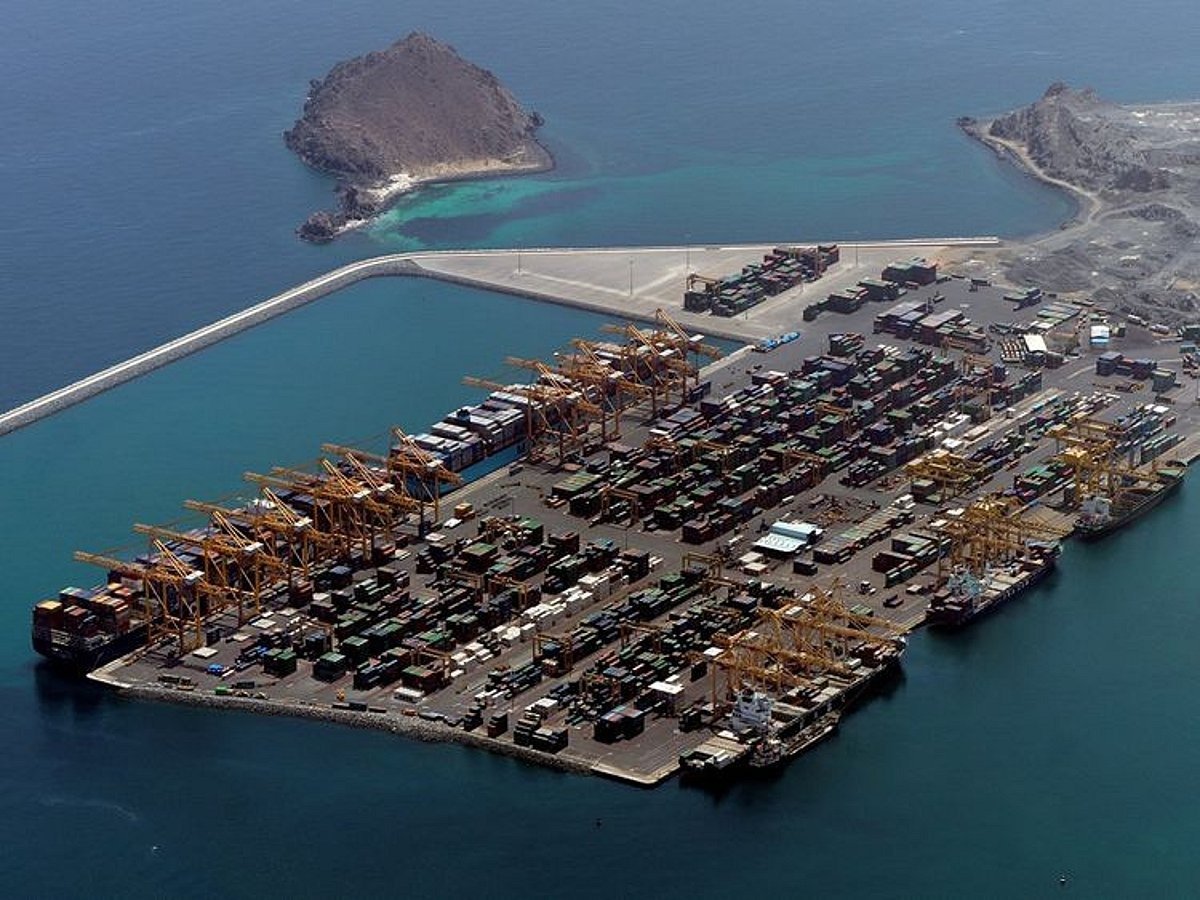
On the Gulf of Oman’s rugged east‑coast, the concrete walls of Khorfakkan Port have long been a backdrop to daily life in the town of Khorfakkan. Fishermen, shop owners and schoolchildren all pass the same sea‑facing road that leads to the port’s deep‑water berths.
Local logistics hub set for surge
The Sharjah Ports, Customs and Free Zones Authority announced that the port will soon handle up to 5 million containers a year, with a longer‑term ambition to reach 10 million. That jump in volume means more ships will dock at the same stretch of quay, and the surrounding logistics network will see a noticeable uptick in activity.The first concrete change is the capacity lift itself. Today the port processes roughly half the amount it plans to handle after the upgrade, so the new facilities will need to accommodate twice the current flow. Deep‑water berths and high‑efficiency ship‑to‑shore cranes, already capable of servicing the world’s largest container vessels, will be put to even fuller use.
Beyond the docks, the expansion plugs into Sharjah’s wider maritime web. Khorfakkan’s east‑coast location links directly to Khalid Port and Hamriyah Port on the western coast, while inland logistics complexes in Al Sajaa and Al Dhaid serve as crucial inland hubs. Integrated border crossings, modern highway corridors, and cross-border trade routes work together to stream cargo directly from ocean vessel to inland distribution. Positioned strategically outside the Strait of Hormuz on the Gulf of Oman, the expanded port bypasses potential maritime chokepoints while giving major shipping lines seamless access to global trade lanes. By scaling up handling capacity to 5 million TEUs—and eventually targeting 10 million—Sharjah is cementing Khorfakkan Port’s role as an essential transshipment engine and re-export gateway for the UAE, the GCC, and international trade networks.