House and Senate Shifts Threaten Blank-Check Financing for Iran War
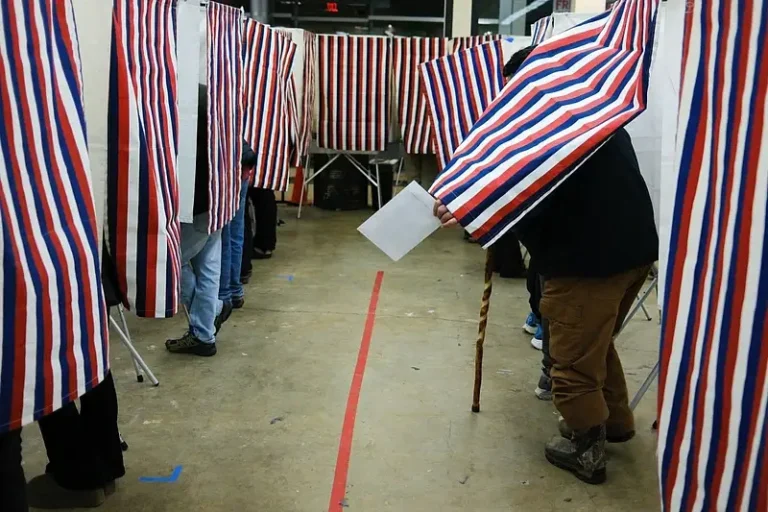
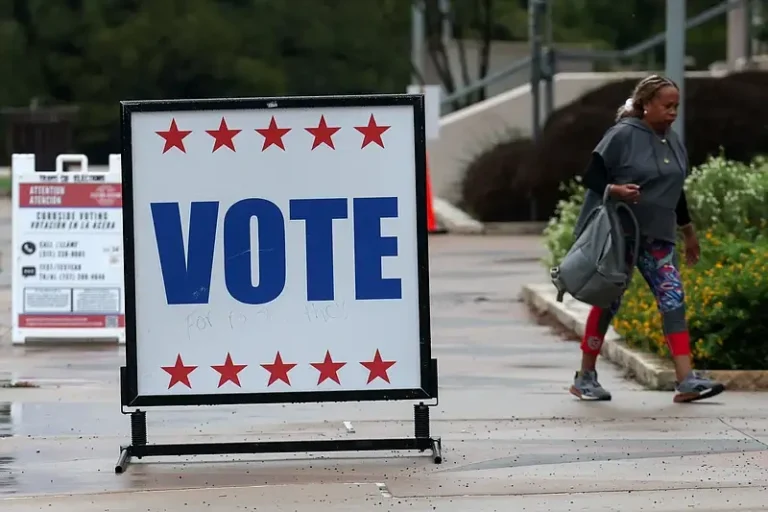
Congressional control dictates the financial ceiling of American warfighting in the Middle East. With all 435 seats in the House of Representatives and 35 Senate seats contested on November 3, 2026, the structural balance of power in Washington has shifted from an unchecked executive branch to a divided or opposing legislative body capable of choking military appropriations.
Executive authority over foreign deployments faces an immediate structural challenge. President Donald Trump initiated military action against Iran on February 28, 2026, without requesting prior authorization from Congress. Under Article I of the US Constitution, however, lawmakers retain sole authority over tax policy, federal spending, and formal declarations of war. That constitutional tension now forces executive foreign policy to run the gauntlet of congressional purse strings.
Appropriation Controls and Executive Scrutiny
The immediate mechanism of legislative leverage lies within defence spending bills. While previous resolutions demanding an end to unauthorized hostilities in Iran failed to pass, despite drawing votes from a handful of cross-party lawmakers, a opposition-led chamber fundamentally changes the math. Lawmakers do not need to pass binding war-powers resolutions to constrain military operations; they can simply restrict, condition, or excise specific funding lines in annual defence appropriations.
Beyond budget caps, committee leadership controls investigation agendas. Legislative majorities command subpoena power across both chambers, giving lawmakers the structural capacity to compel senior administration officials and military commanders to testify in open hearings regarding tactical objectives, exit conditions, and military expenditures.
Strategic Impact Across Middle East Theatres
The shift in legislative power directly recalibrates Washington’s two primary operational tracks in the region.
The Iranian Conflict Operational continuity in the ongoing confrontation with Tehran now depends on legislative funding authorizations. Denied unappropriated defense capital, executive strategists must either negotiate terms of engagement with congressional leaders or risk funding cliffs on tactical deployments. This dynamic elevates Capitol Hill into a direct clearance point for any escalation of combat operations.
State Department and Defense Aid to Israel Legislative scrutiny is set to intensify around security assistance frameworks. Rising division over war conduct in Gaza, which has resulted in tens of thousands of Palestinian casualties, has fractured consensus around unconditioned arms transfers. A shifted legislative majority gains the procedural authority to attach explicit human-rights conditions, reporting metrics, or delivery holds to bilateral military aid packages.
The Limits of Legislative Veto Power
Despite new legislative friction, executive power retains significant operational latitude in foreign affairs. The presidency commands direct authority over the military apparatus as commander-in-chief, alongside diplomatic channels and sanction enforcement capabilities that operate outside direct congressional funding cycles. While lawmakers can restrict broad budgetary line items or delay aid packages, overriding executive vetoes on strategic policy mandates requires a two-thirds supermajority in both chambers, a threshold rarely achieved in modern legislative votes.