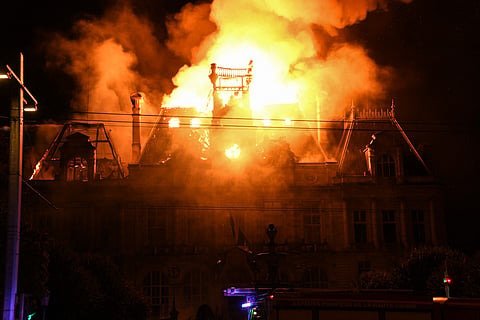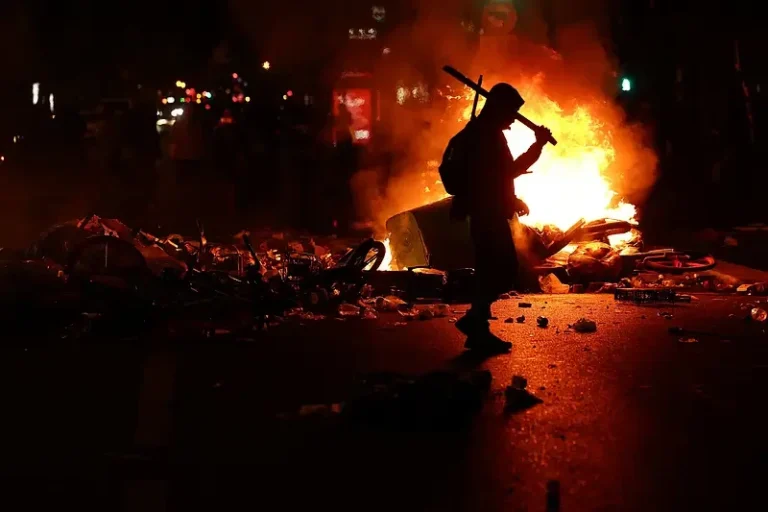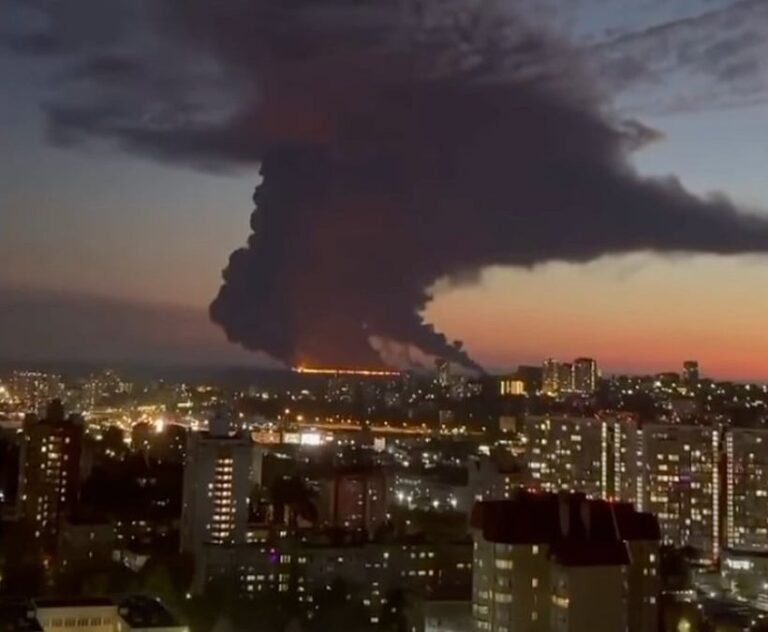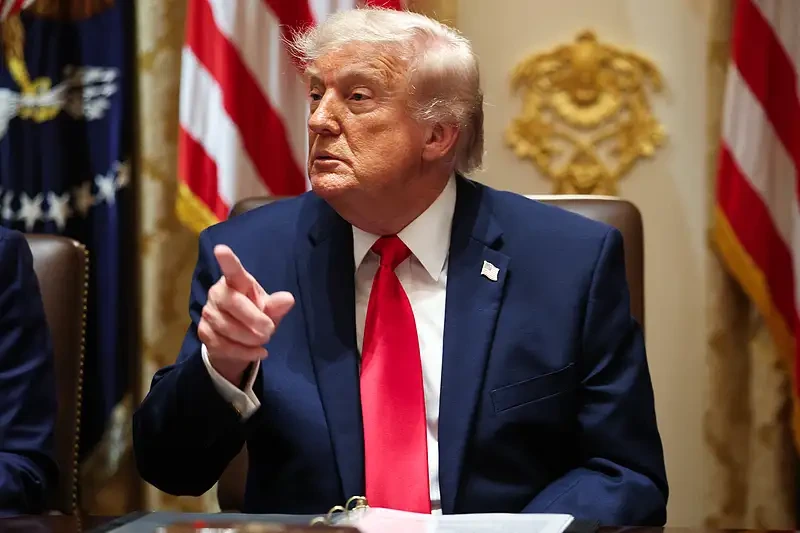
(Credit - Khaleej Times)
US-Iran Ceasefire Is Real, But It Doesn’t Mean the Middle East Stopped Fighting
If you assumed a US-Iran ceasefire meant the guns went quiet across the entire Middle East, this changes everything. As of June 5, 2026, regional attacks are continuing on multiple fronts, including along the Israel-Hezbollah line, and Donald Trump himself has acknowledged that the word “ceasefire” can mean different things depending on where you are.
What Trump Actually Said, and Why It Explains the Confusion
Trump clarified publicly that the scope and definition of a ceasefire can vary by region. That single statement unlocks a lot: it signals that the US-Iran understanding is not a blanket, theatre-wide halt to hostilities, but something narrower, likely limited by geography, target set, or time window. Each party can claim it is complying while pointing to the other’s actions as violations, because the terms themselves are not uniformly defined or publicly codified.
This ambiguity is not accidental. Ceasefires between states, even when genuine at the leadership level, rarely bind allied militias or armed groups operating across borders. Where command-and-control is decentralised, local commanders may continue operations to preserve deterrence, respond to prior strikes, or simply because they were never formally included in the agreement.
Why Proxy Groups Keep Fighting After State-Level Deals
Iran-linked networks operate across multiple theatres simultaneously. A political signal from Tehran does not automatically translate into a stand-down order for every affiliated group in Lebanon, Syria, Iraq, or Yemen. Retaliation cycles already in motion can continue independently, especially when local actors have their own strategic interests that predate, and outlast, any bilateral US-Iran framework.
The Israel-Hezbollah front is a clear example. Tensions there are shaped by their own logic: prior strikes, deterrence calculations, and domestic political pressures on both sides. A US-Iran pause does not reset that clock. This is what analysts call “spillover risk”, a de-escalation in one channel that leaves other channels fully active.
The Core Problem: No Verification, No Enforcement, No Agreed Red Lines
- Ceasefire scope: Appears limited, not a comprehensive, theatre-wide halt across all Iran-linked fronts
- Proxy groups: Not automatically bound by state-level agreements, particularly where command structures are decentralised
- Trump’s position: Publicly acknowledged that ceasefire definitions differ by region, confirming the framework is uneven
- Israel-Hezbollah: Clashes continuing independently of the US-Iran understanding as of June 5, 2026
Without verification mechanisms, clear enforcement, and mutually agreed red lines, ceasefires in complex multi-actor environments tend to be fragile and unevenly observed. Low trust between parties also increases the likelihood of pre-emptive strikes and rapid counterstrikes, each side acting on the assumption the other is not genuinely complying.
The US-Iran ceasefire is a real diplomatic signal, but it was never designed to, and does not, cover every armed actor aligned with Tehran across the region. Trump’s own clarification confirms the framework is geographically and operationally limited. Until verification mechanisms and agreed red lines are in place, the risk of escalation on parallel fronts, including the Israel-Hezbollah theatre, remains live.## FAQ