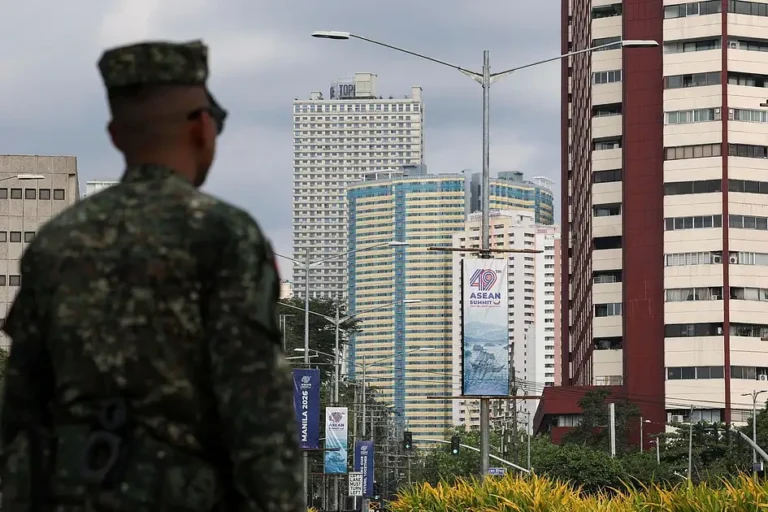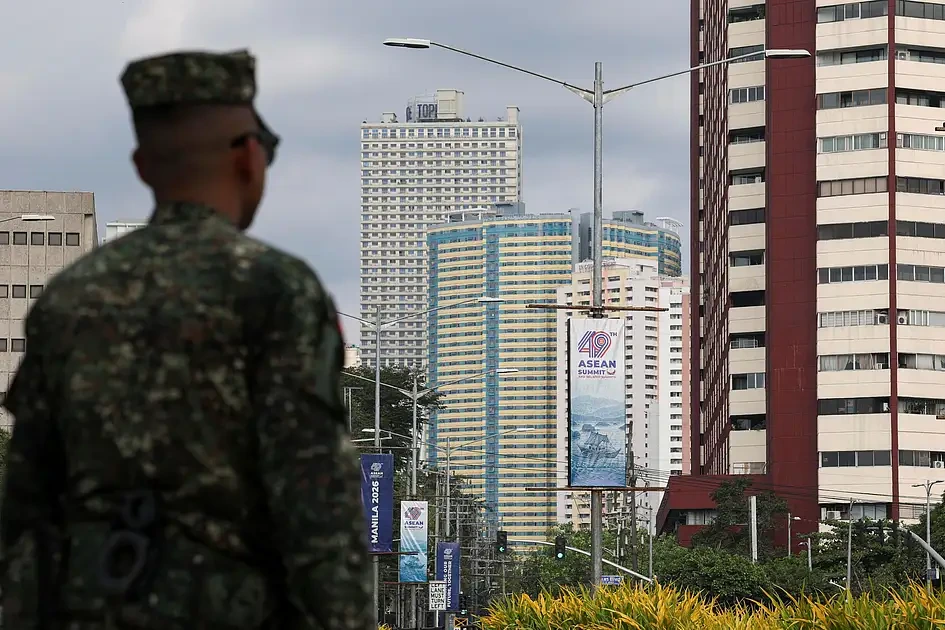
Nearly 20,000 Police Deployed as ASEAN Summit Confronts US Tariffs
The 49th ASEAN Summit opened in Manila on Sunday as Southeast Asian heads of state and international leaders confronted mounting economic fallout from US tariffs ahead of US President Donald Trump‘s arrival. Regional leaders and visiting heads of state gathered in the Philippine capital to navigate global trade disruptions and forge alternative partnerships.
Trade Defenses and Alternative Markets Take Center Stage
Brazilian President Luiz Inacio Lula da Silva told reporters on the summit’s sidelines that Brazil had bypassed appealing to the US government following tariff impositions, instead expanding trade with regional states such as Indonesia and Vietnam, which saw jumps of 15 per cent and 13 per cent, respectively. Canadian Prime Minister Mark Carney echoed those sentiments, pointing to a newly concluded Philippine free-trade deal and substantially concluded ASEAN trade talks as part of an effort to build a network of reliable partners and reduce reliance on the United States. Carney and Lula also met on the sidelines, with Lula inviting the Canadian prime minister for an official visit to double trade between their nations.
Trump is scheduled to arrive Tuesday near the summit’s conclusion, marking his first Quad leaders’ sit-down of his second term with counterparts from India, Japan, and Australia.
Security Clash and Local Displacement Concerns
Nearly 20,000 police officers have been deployed around Metro Manila for the summit, where a crowd of about 200 protesters carrying signs reading “the Philippines is not for sale” clashed with riot police. At least three demonstrators were taken away in a police van, while progressive groups predict thousands more will join an anti-Trump march on Tuesday. Much of the local uproar centers on the US Pax Silica programme, a semiconductor and rare earths supply-chain initiative featuring a 1,620-hectare AI manufacturing hub north of Manila that threatens local Indigenous families with displacement. US Ambassador to the Philippines Lee Lipton stated that a widely rumoured November target date for signing a formal deal during the visit was never planned.
The summit also addresses enduring regional challenges, including a languishing South China Sea Code of Conduct and the ongoing civil conflict in Myanmar, both of which will pass to Singapore when it assumes the bloc’s rotating chair in 2027.