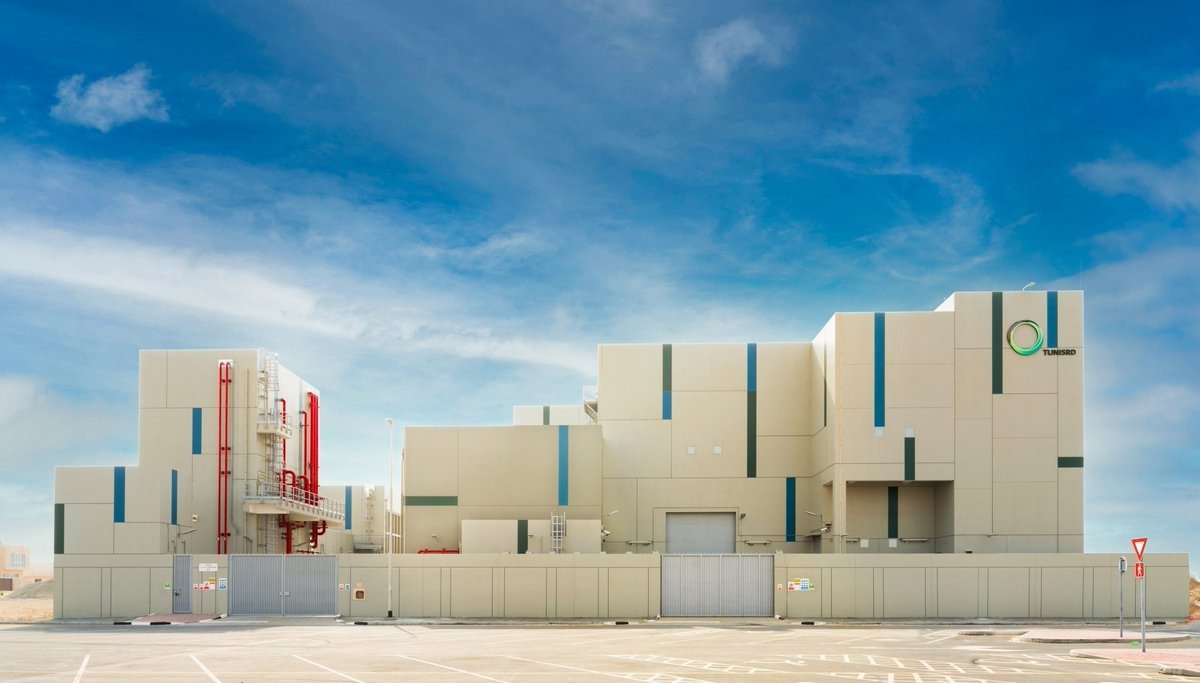
(Credit - Dubai Electricity and Water Authority (DEWA))
DEWA Substations 2025 Push Dubai’s Grid Total to 391
Dubai Electricity and Water Authority commissioned eight 132kV substations and two 400kV substations across Dubai in 2025, pushing the emirate’s total substation count to 391 by mid-2025. The expansion, backed by electricity transmission network investments surpassing AED 7.6 billion, strengthens grid reliability at a time when summer peak loads from air-conditioning place maximum pressure on the system.
DEWA Substations 2025: AED 7.6 Billion Grid Commitment
DEWA’s commissioning of ten new high-voltage substations in a single year reflects the scale of infrastructure planning required to keep pace with Dubai’s growth. The eight 132kV substations support regional load centres, feeding power into lower-voltage distribution networks that serve homes, businesses, and transport systems. The two 400kV substations operate at the backbone transmission layer, moving large volumes of electricity efficiently over longer distances with reduced energy losses. Together, the additions increase the number of alternative routing paths across the grid, reducing the risk that a single fault or scheduled maintenance outage disrupts supply to residents or commercial operators.
The two voltage tiers serve distinct but complementary roles. The 400kV layer handles bulk power transfer between major generation sources and key load zones, while the 132kV tier distributes that power to industrial zones, new residential communities, and fast-growing commercial districts. Expanding both simultaneously allows DEWA to balance high-volume transmission with localised capacity, avoiding bottlenecks in corridors where demand is rising fastest. This dual-tier approach also shortens connection timelines for new real estate and infrastructure projects, a direct benefit for developers and large-load customers planning capacity requirements.
What the Grid Expansion Means for Dubai Businesses and Residents
For Dubai’s energy-intensive sectors , data centres, logistics hubs, manufacturing facilities, and large-scale retail , a larger, more redundant substation fleet translates into higher uptime and faster fault restoration. DEWA, which operates under the oversight of the Dubai Supreme Council of Energy, has consistently linked transmission investment to the emirate’s population growth trajectory and real estate pipeline. Reaching 391 substations by mid-2025 signals a grid that is not only larger but more meshed, with digital monitoring and protection systems paired with each new commissioning to improve fault detection during extreme heat periods when demand peaks.
| Substation Type | Units Commissioned in 2025 | Primary Function |
|---|---|---|
| 132kV Substations | 8 | Regional load centres; feeds lower-voltage distribution networks |
| 400kV Substations | 2 | Backbone transmission; bulk power transfer over long distances |
| Total DEWA Substations (mid-2025) | 391 | Combined high-voltage grid serving all of Dubai |
| Transmission Network Investment | AED 7.6 billion+ | Capital expenditure across Dubai’s electricity transmission infrastructure |
- New 132kV Substations: Eight units commissioned across Dubai in 2025, strengthening regional distribution capacity
- New 400kV Substations: Two backbone-tier units added to handle bulk long-distance power transfer
- Total Substation Fleet: 391 substations operational by mid-2025
- Cumulative Investment: Electricity transmission network spending exceeded AED 7.6 billion
DEWA’s 2025 clean-energy expansion was positioned as part of a broader push that also prioritises energy storage solutions to support grid stability as renewable penetration rises.
DEWA has further clean energy and sustainability projects planned for 2026, extending its investment pipeline beyond the 2025 substation commissioning programme as it continues to position itself as a leader in sustainable infrastructure and energy storage solutions, aligning transmission expansion with the integration of more renewable generation.