Dubai Metro Ridership Soars to 136.5M
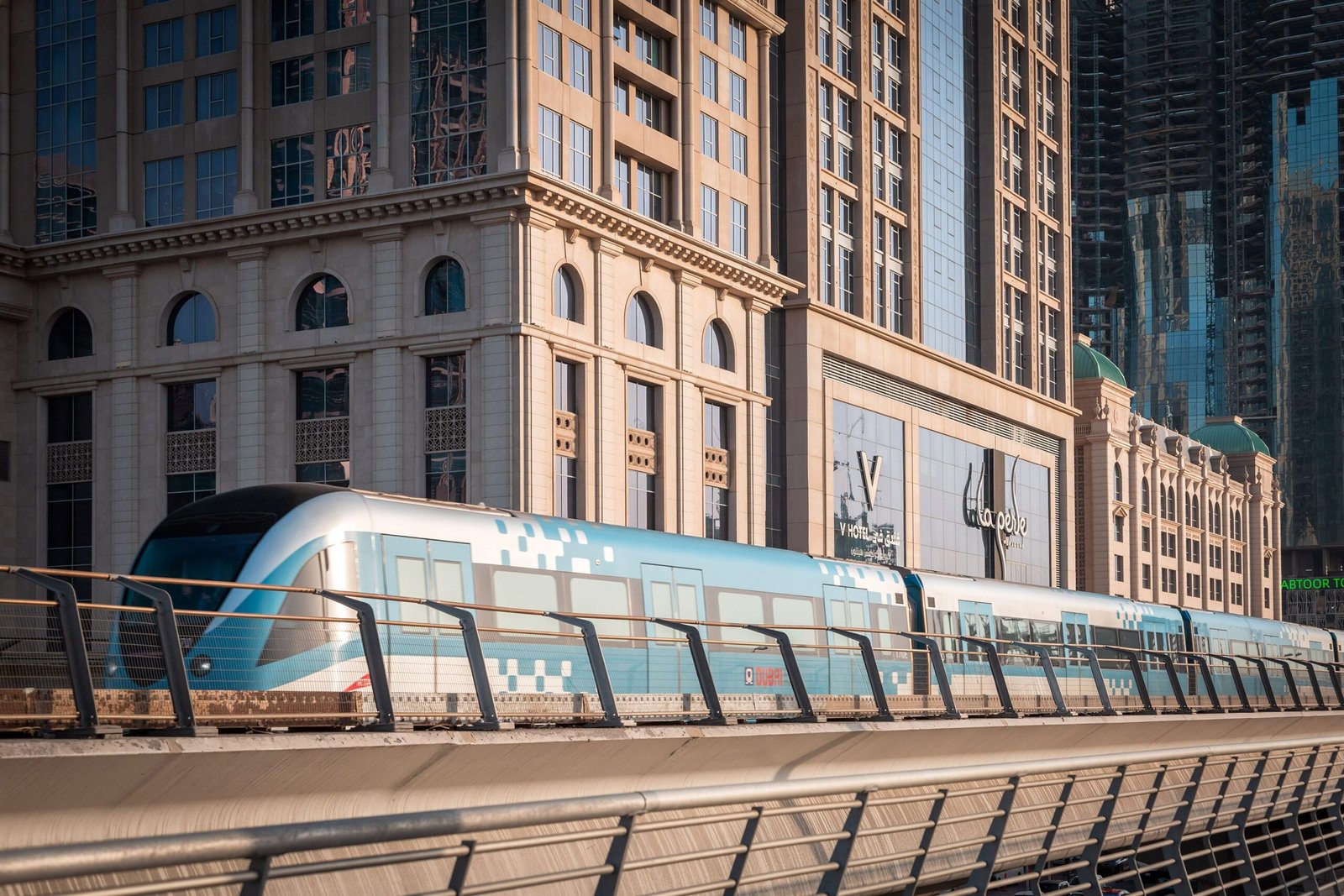
On the streets of Dubai, a city known for its futuristic skyline and innovative transportation systems, the Dubai Metro has cemented its position as the most popular mode of transport. The latest figures released by Dubai’s Roads and Transport Authority (RTA) show that the Metro carried 136.5 million passengers in the first six months of 2026, accounting for nearly four out of every 10 public transport journeys. This milestone is part of a larger trend, as Dubai’s integrated mobility network recorded a total of 348.1 million passenger trips during the same period.
The RTA’s efforts to enhance the city’s transportation infrastructure have contributed to this growth. The authority has begun introducing 637 new low-emission buses, including 40 electric buses, and is preparing to launch commercial air taxi services before the end of the year. Driverless taxis have already entered operation, signaling Dubai’s push towards next-generation mobility. Among Metro stations, BurJuman retained its position as Dubai’s busiest station with 8.4 million passengers, followed by Union with 6.5 million.
The RTA’s long-term goal is to raise the share of trips made by public transport and shared mobility to 25% by 2030, in line with the Dubai 2040 Urban Master Plan and the Dubai Economic Agenda D33. This target is part of a broader strategy to make Dubai a more sustainable and convenient city for its residents. As the city continues to grow and evolve, the Dubai Metro is likely to remain a vital part of its transportation network.
The growth of the Dubai Metro’s ridership reflects the city’s commitment to innovative and sustainable transportation solutions. With its extensive network and convenient services, the Metro has become an essential part of daily life for many Dubai residents. As the city looks to the future, it is likely that the Metro will continue to play a key role in shaping the city’s transportation environment.
The RTA‘s focus on sustainable and convenient travel has contributed to the city’s growing preference for public transport. The authority’s efforts to enhance the city’s transportation infrastructure have made it easier for residents to use public transport, reducing their reliance on private vehicles. This shift towards public transport is expected to continue, with the RTA aiming to increase the share of trips made by public transport and shared mobility to 25% by 2030.
In terms of specific targets, the RTA is working towards launching the Blue and Gold Lines, with the Blue Line spanning 30km and featuring 14 stations, and the Gold Line covering 42km with 18 stations, representing an investment of AED34 billion. These new lines are expected to further enhance the city’s transportation network, providing residents with more convenient and sustainable travel options.