Ebola Death Toll Reaches 1,887 in DR Congo
The Democratic Republic of Congo has reported 1,887 Ebola deaths and 4,120 confirmed cases in its ongoing outbreak. The latest government figures represent a significant increase from the 4,053 confirmed cases and 1,850 deaths reported as of August 5-6. The outbreak, caused by the Bundibugyo strain of Ebola virus, was declared in northeastern Congo in May and has since spread across multiple provinces.
The World Health Organisation’s July 30 update had recorded 3,605 confirmed cases and 1,587 deaths, meaning the outbreak has continued to accelerate rapidly in just days. The fatality rate is currently 45.8%, according to the Congolese Ministry of Communication. Cases have been reported across five provinces, Ituri, North Kivu, South Kivu, Haut-Uélé, and Tshopo, involving dozens of health zones.
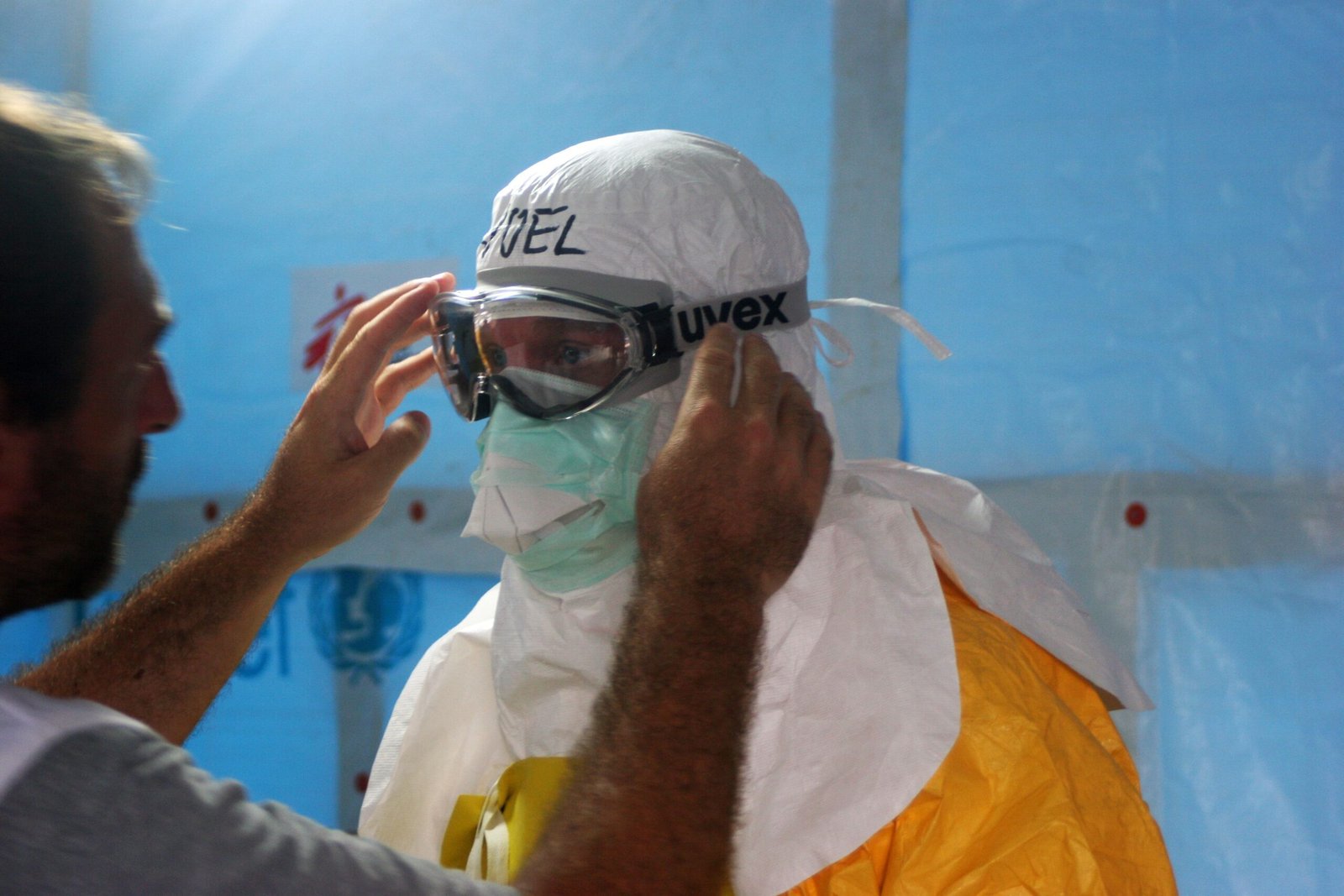
The outbreak involves the Bundibugyo virus, a relatively rare Ebola species for which there is currently no approved vaccine or specific treatment. Researchers and health authorities are testing potential vaccines and treatments, but they are not yet established tools for controlling this outbreak. The outbreak is also occurring in a region affected by armed conflict, population displacement, weak health infrastructure, and extensive population movement, all of which complicate surveillance, contact tracing, and treatment.
The World Health Organisation has described the situation as a rapidly evolving public-health emergency. The CDC said this outbreak passed 1,000 confirmed cases within about 40 days of response activation, compared with roughly 235 days during Congo’s 2018 outbreak. WHO Director-General Tedros Adhanom Ghebreyesus has warned that the outbreak is outpacing the response, while aid organizations have reported shortages of personnel and other resources.
This outbreak is the second-largest Ebola outbreak ever recorded, behind the 2014-16 West Africa epidemic. Health authorities are racing to improve early detection, contact tracing, isolation, and treatment, while researchers work to evaluate medical countermeasures against Bundibugyo Ebola.
The situation is connected to the previous Ebola outbreak in West Africa, which was declared a Public Health Emergency of International Concern in 2014. The current outbreak has been declared a Public Health Emergency of International Concern by the WHO since May 17, 2026.