France protests: nearly 2,400 arrested after the 17 October marches, and Macron keeps his interior minister
As of 20 October 2026, nearly 2,400 people have been arrested and almost 1,000 police officers and gendarmes injured after nationwide protests in France on Saturday 17 October, according to the interior ministry. President Emmanuel Macron, who condemned the violence in a televised address on Sunday, has refused the resignation offered by Interior Minister Laurent Nunez.
What happened on 17 October
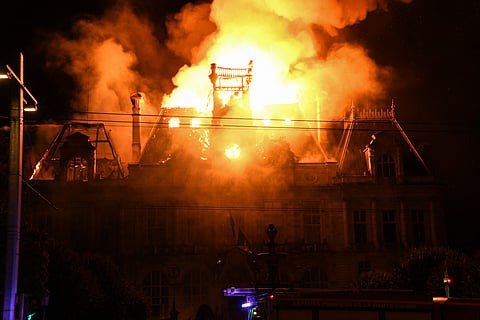
The interior ministry put turnout at about 550,000 people nationwide and 110,000 in Paris, while organisers claimed about 800,000. The main march in Paris passed without major incidents, but shops were looted in Marseille, Lyon and Bordeaux. In Limoges, groups broke into the historic town hall, which dates from the 1880s, and set fire to it; the building was largely destroyed. The interior minister said several hundred shops were damaged across the country. One demonstrator died in Paris after collapsing, and police reported a cardiac arrest.
How the figures rose
The counts changed as the weekend went on, which is why earlier reports carry lower numbers:
| When | Arrests | Security forces injured |
|---|---|---|
| Saturday 17 October, interior minister | About 400 | 60 |
| Sunday 18 October, interior minister | 1,800 detained | More than 500 |
| Sunday 18 October, interior ministry | Nearly 2,400 | Almost 1,000 |
What Macron and the government said
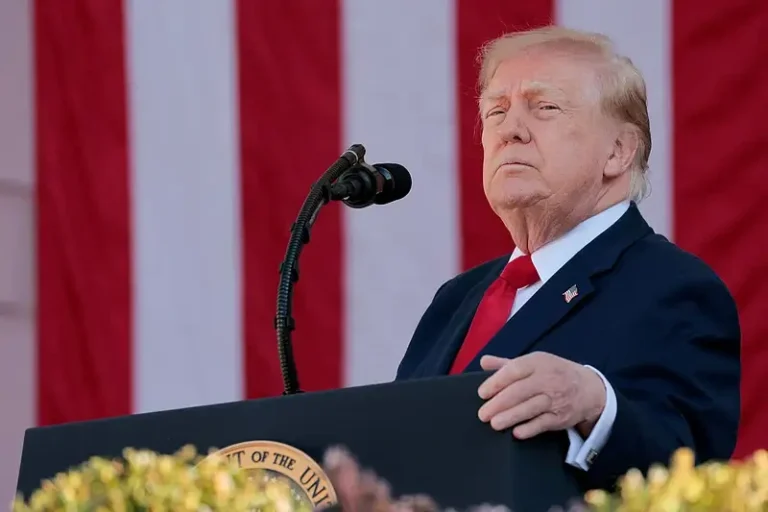
In his address, Macron said nothing justifies, explains or excuses the violence, and he separated peaceful protesters, whose economic grievances he said were legitimate, from those who destroyed and looted. Prime Minister Sébastien Lecornu blamed the unrest on the ultra-left and criminals. Nunez faced calls to resign from opposition parties, and Macron declined to accept it; our report on Macron rejecting the resignation has the detail. National Rally leader Marine Le Pen called for calm, and France Unbowed leader Jean-Luc Mélenchon said Macron must respond to the demands of the high-school students. US President Donald Trump blamed immigration for the unrest in a post on social media; our report on Trump’s reaction covers it.
Why people are protesting
The movement began as student protests over school conditions and teacher shortages in working-class suburbs. It widened into opposition to inequality, public spending cuts, rising living costs and declining public services. A presidential election is due in 2027, when Macron leaves office after a decade in power.
Where to go next
- Macron rejects Nunez resignation after riots
- Trump on the France protests
- Macron’s Gulf tour as French protests surge
For the political response in full, including who said what, see our report on Macron condemning the violence.
Macron’s Gulf tour, launched on 19 October partly in response to the unrest, has produced an announcement of extra diesel supplies: see Macron secures extra diesel from UAE and Bahrain on Gulf tour.