36 Seats Secured as Israeli Coalition Mandate Nears Deadline
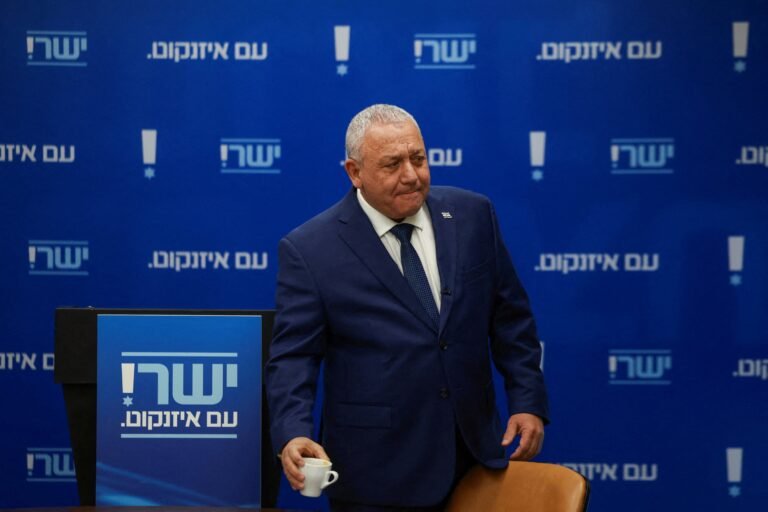
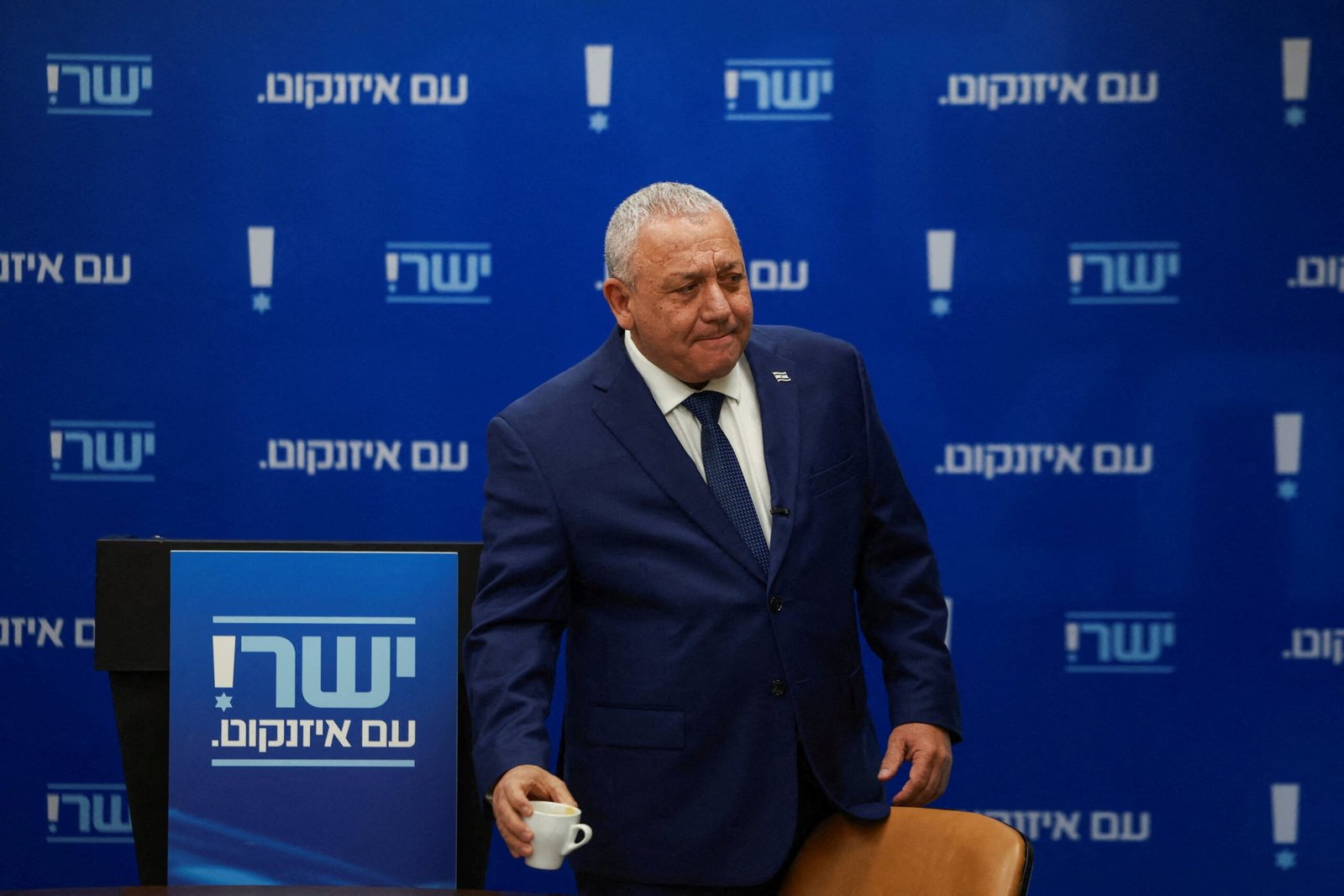
Gadi Eisenkot’s centrist Yashar party and the left-leaning Democrats signed a formal coalition agreement in Israel on Thursday, marking the second deal struck in efforts to form a new government. The pact brings political factions closer to resolving parliamentary deadlock following October’s election, though the emerging bloc remains short of the threshold needed to take power.
Eisenkot Secures 36 Parliamentary Seats But Remains Short of Majority
The joint statement from Yashar leader Eisenkot and Democrats chair Yair Golan concluded negotiations that had been temporarily suspended days earlier over disputes regarding ministerial portfolio allocations. The Democrats are the second party to seal an agreement with Yashar, following a deal completed Tuesday by Avigdor Liberman’s right-wing Israel Beiteinu party. Together, Yashar, Israel Beiteinu, and the Democrats control 36 seats in the Knesset, leaving the coalition 25 seats shy of the 61 needed for a parliamentary majority to replace caretaker Prime Minister Benjamin Netanyahu.
Former prime minister Naftali Bennett’s Beyachad party holds 12 seats within the anti-Netanyahu camp, though the faction has yet to sign a formal agreement with Yashar. Eisenkot has until December 6 to finalize a government, with an option to request a 14-day extension if negotiations remain ongoing.
Internal divisions continue to complicate coalition arithmetic. The Democrats have advocated for an alliance with two Arab-majority lists, while Liberman has explicitly refused to join a government dependent on Arab-majority parties, proposing instead an alliance with ultra-Orthodox factions despite lingering disputes over military conscription. Meanwhile, four rounds of exploratory talks between Yashar and Netanyahu’s Likud party over a potential national unity government yielded no breakthroughs, with Liberman publicly warning that Netanyahu intends to derail coalition efforts to trigger fresh elections.
The coalition negotiations follow the Israeli president’s formal mandate assigning Eisenkot to assemble a government after October’s national election failed to yield a clear majority for any single bloc.