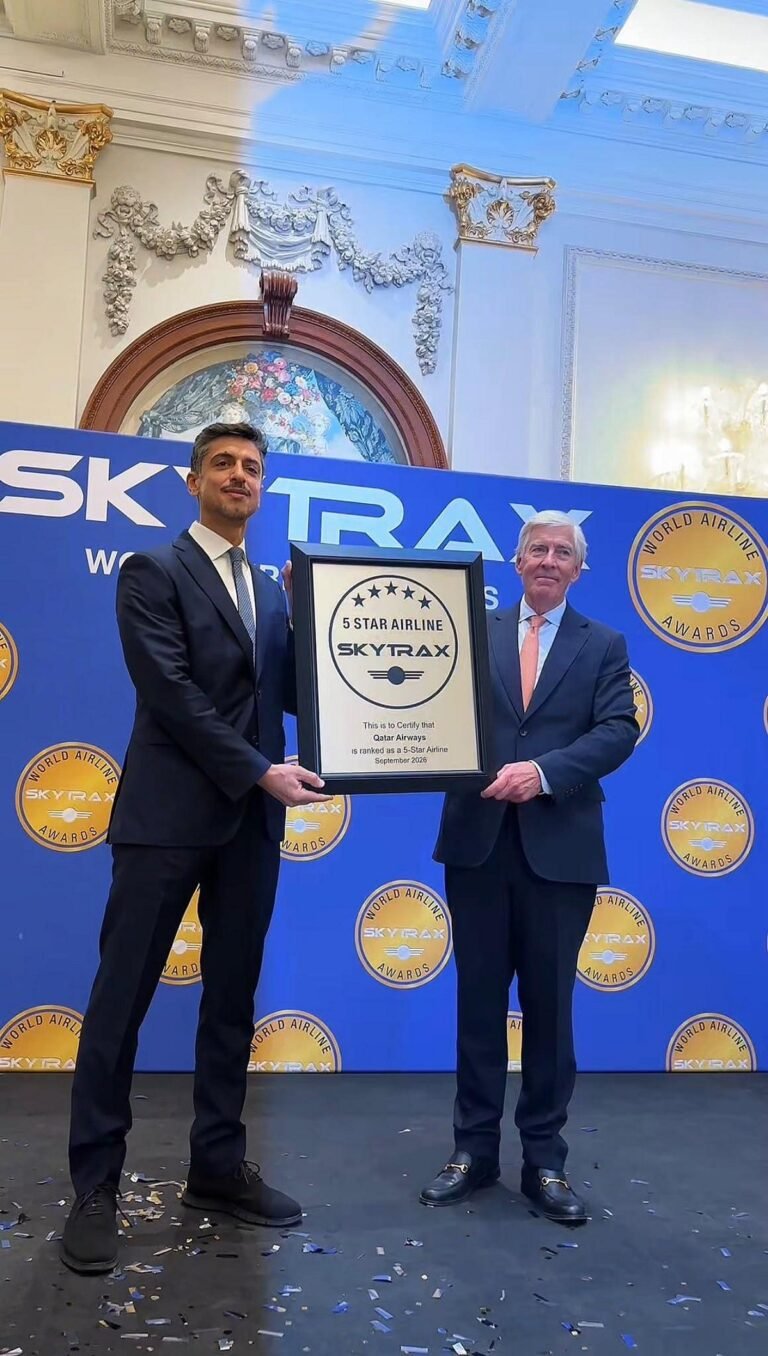
(Credit - WAM)
Gold Jumps 2.4% to $4,175.53
Gold prices have hit a one-month peak, with spot gold climbing 2.4% to $4,175.53 per ounce. This surge is driven by a softer U.S. dollar and lower oil prices, as investors await upcoming U.S. jobs data for clues on the interest-rate outlook. According to Kelvin Wong, a senior market analyst at OANDA, “Gold’s relation with oil is still intact as oil prices have a tremendous impact on the global economy in terms of inflationary pressure.”
Market Impact
The price of gold is closely tied to the value of the U.S. dollar and oil prices. When the dollar is weaker, gold becomes more attractive to holders of other currencies, driving up its price. Additionally, lower oil prices can ease inflation concerns, which in turn can lead to expectations of lower interest rates. This can make gold a more appealing investment, as it is often seen as a hedge against inflation.| Category | Amount |
|---|---|
| Spot Gold Price | $4,175.53 per ounce |
| U.S. Gold Futures | $4,235.30 |
The current market conditions, with a softer dollar and lower oil prices, have created a favorable environment for gold prices to rise. However, it’s essential for investors to keep in mind that gold tends to lose its appeal in a high interest-rate environment, as it yields no interest. With the Federal Reserve‘s September meeting approaching, traders are closely watching the interest-rate outlook, currently pricing in a 59% probability of a rate hike.
For entrepreneurs, LLC operators, and C-suite executives, understanding the current gold price trend can have significant implications for their investment strategies and business decisions. As the global economy continues to evolve, staying informed about market developments and their potential impact on gold prices is crucial for making informed decisions.

Montenegro Visa-Free for UAE Residents
UAE Residents Get 10-Day Montenegro Visa-Free Stay
UAE residents holding a valid residence permit for at least three consecutive years can now visit Montenegro without needing to obtain a visa in advance. This temporary exemption, announced by the Montenegrin government, allows eligible UAE residents to stay in Montenegro for up to 10 days without a visa. The visa-free exemption started on May 1 and will last until October 1, 2026.
To be eligible for the visa-free entry, travellers need to meet specific conditions. They must have a valid UAE residence permit that has been active for at least three years before arriving in Montenegro, travel to Montenegro on a direct flight from the UAE, carry a valid passport or travel document, and show proof of a tourist booking or travel arrangement. Additionally, they must hold a passport with at least six months' validity, have a confirmed return flight ticket, and have fully paid and confirmed accommodation.
The Montenegro Ministry of Foreign Affairs' Official Gazette, published on April 17, 2026, outlines the conditions for UAE residents to enter Montenegro without a visa. UAE residents can enter Montenegro on a direct flight from the UAE and stay for a maximum of 10 days under the visa-free arrangement. Flydubai offers four direct flights each week on this route, and the flight takes about five hours and 55 minutes.
UAE residents can verify their residence history by carrying previous Emirates ID cards, accessing historical residence records through the ICP Smart Services portal, logging into the ICP app using UAE Pass, or visiting an Amer Centre in Dubai to obtain printed copies of previous residency records.
This temporary visa-free entry scheme makes Montenegro an attractive option for UAE residents who would normally require lengthy visa applications to visit much of Europe. With its stunning Adriatic coast, historic towns, and mountain scenery, Montenegro is an ideal destination for a European summer.
| Category | Requirement |
|---|---|
| Residence Permit | Valid for at least three consecutive years |
| Flight | Direct flight from the UAE |
| Passport | Valid for at least six months |
| Accommodation | Fully paid and confirmed |
| Stay | Maximum of 10 days |

Masoud Pezeshkian Meets Mojtaba Khamenei
Iran's Secret Meeting: Pezeshkian and Khamenei Talk in Darkness
Iranian President Masoud Pezeshkian was reportedly taken to a secret location in Tehran for a highly unusual meeting with Supreme Leader Mojtaba Khamenei, where the two allegedly spoke from inside a dark, tinted-window vehicle without seeing each other. The meeting, which lasted only a few minutes, ended without the president being allowed to shake hands with the supreme leader. Pezeshkian has publicly acknowledged that access to the supreme leader has become increasingly difficult, and the reported encounter contrasts sharply with the president's own description of a meeting with Mojtaba earlier this year.
The reported secret meeting, if accurate, would offer a rare glimpse into the unusually secretive workings of Iran's leadership at a time when the country remains under scrutiny. The claims have not been independently verified, and Iranian authorities have not publicly commented on the report. Pezeshkian has defended Khamenei, saying he had experienced "kindness and very sound logic" in their interactions, despite acknowledging the difficulties in communicating with him.
The meeting itself was only secured after Pezeshkian repeatedly requested an audience and allegedly threatened to resign during disagreements over major policy decisions. The report said Khamenei's office eventually agreed to a meeting but declined to host it at the supreme leader's official residence, breaking with established protocol. Instead, Pezeshkian was reportedly driven by his security team to an undisclosed location in Tehran before being transferred into another vehicle with heavily tinted windows where Khamenei was waiting.
Mojtaba Khamenei has remained largely out of public view since succeeding his late father, Ayatollah Ali Khamenei, who was killed in a joint US-Israeli airstrike on February 28, 2026. Since then, he has issued only written statements carried by Iranian state media and has not appeared publicly. In July, Iranian Foreign Minister Abbas Araghchi told AFP that only a limited number of people had met the supreme leader during that period.
The reported secret meeting is the latest development in the growing tensions between Pezeshkian and Khamenei, with reports of the president repeatedly threatening resignation over disagreements with Iran's leadership. The situation remains uncertain, with the country's leadership under close scrutiny.

Hantavirus France: Tourist Infected
Hantavirus Detected in France Tourist Isolated in Spain
A case of hantavirus has been detected in a Franco-Argentine national who holidayed in France in July and is now isolated in Spain. The patient's infection with the Andes strain of the virus, which is transmissible between humans, was confirmed on Thursday by the French health ministry. The patient had few symptoms and now has none, according to the ministry, which has put in place measures to trace the stages of the person's journey.
The French health ministry said experts would meet to determine the next action to be taken and that Europe-wide coordination was being established. The authorities have not indicated a link to a deadly outbreak of Andes strain hantavirus on a cruise ship earlier this year that triggered a global health alert. The World Health Organization declared the end of the outbreak in early July after the last affected person left quarantine.
Hantavirus is a rare virus for which no vaccines or specific treatments exist, and it is spread by rodents. The cases from the cruise ship pale in comparison to the tens of thousands of hantavirus infections recorded worldwide every year, which mostly involve humans being infected by close contact with a rodent.
The detection of this new case has prompted French health authorities to initiate contact tracing across the patient's travel stages. The patient's isolation in Spain is a precautionary measure to prevent the potential spread of the virus. The French health ministry's swift response and coordination with European authorities aim to contain the situation and prevent further cases.
This new case is a reminder of the importance of vigilance and cooperation in preventing the spread of infectious diseases. The World Health Organization's declaration of the end of the cruise ship outbreak in early July may have signaled a reduction in the risk, but the detection of this new case highlights the need for continued awareness and precautions.

Iran-Oman Deal Fails to Reopen Strait of Hormuz
Strait of Hormuz Remains Closed
The Strait of Hormuz will not be reopened to normal commercial shipping despite Iran's recent maritime agreement with Oman. Iranian Deputy Foreign Minister Kazem Gharibabadi stated that the US must first meet several conditions, including lifting naval blockades, easing sanctions, and unfreezing assets, before free navigation can resume. This clarification comes after Tehran announced an agreement with Oman on the geographical route vessels would follow through the strategic waterway, raising hopes of a potential reopening.
The Iran-Oman arrangement is only a framework for managing vessel movements and does not amount to a decision to restore unrestricted shipping. Gharibabadi emphasized that the US must take several steps to rebuild trust after the collapse of the June memorandum of understanding between the two countries. These demands include addressing sanctions targeting Iran's oil sector, resuming negotiations over frozen Iranian assets, and ensuring stability in Lebanon.
Global shipping associations have strongly opposed proposed transit fees for vessels using the Strait of Hormuz. In a joint open letter, eight maritime associations warned that introducing transit charges would create a dangerous precedent for international shipping, increase transport costs, and ultimately affect consumers worldwide. The US Secretary of State, Marco Rubio, has also stated that any attempt by a state to control international waters would violate international law.
The proposed system would have a substantial share of commercial shipping transit through Iranian territorial waters, while the remainder would pass through Omani waters. However, Gharibabadi insisted that Iran did not intend to routinely close the waterway during peacetime. The comments reinforce Tehran's view that control over the Strait of Hormuz has become a strategic issue alongside its long-standing insistence on retaining nuclear enrichment.
| Entity | Position |
|---|---|
| Iranian Deputy Foreign Minister Kazem Gharibabadi | Demands US concessions before reopening the Strait of Hormuz |
| Global shipping associations | Oppose proposed transit fees for vessels using the Strait of Hormuz |
| US Secretary of State Marco Rubio | States that any attempt by a state to control international waters would violate international law |

Arsenal Emirates Partnership Extended to 2033
Arsenal, Emirates Extend Landmark Partnership to 2033
Arsenal Football Club and Emirates have announced a long-term renewal of their landmark partnership, extending one of the most recognisable relationships in world football through to 2033. Under the agreement, Emirates will continue as Arsenal's front-of-shirt sponsor, training kit partner, and stadium naming rights partner, extending what the club describes as the Premier League's longest-running front-of-shirt sponsorship. The partnership, which began in 2006, has spanned the entire Emirates Stadium era and has supported various initiatives, including the annual Emirates Cup and the Global Gooners programme.
The renewal comes at a significant moment for Arsenal, following the club's recent Premier League title triumph. Arsenal Chief Executive Richard Garlick said the renewal reflects confidence in the club's future ambitions, stating that winning the Premier League is an incredibly proud moment in the club's history. The next phase of the partnership will begin this weekend when Arsenal host Borussia Dortmund in the Emirates Cup, launching a series of activities celebrating more than two decades of collaboration between the club and the airline.
The partnership between Arsenal and Emirates is one of the most enduring commercial relationships in global sport, with both organisations describing the new agreement as the start of a new chapter in their long-standing relationship. As the Premier League champions look to build on their recent success, the extended partnership with Emirates will play a significant role in supporting the club's future ambitions.
The Emirates Cup, which brings leading international clubs to north London, and the Global Gooners programme, which gives Arsenal supporters worldwide the opportunity to experience matches at Emirates Stadium, are just a few examples of the initiatives that have been supported by the partnership over the past 20 years. As the partnership enters its next phase, fans can expect to see continued collaboration and innovation between the club and the airline.