Indian Expats Flock to Embassies as India Marks 80 Years of Independence
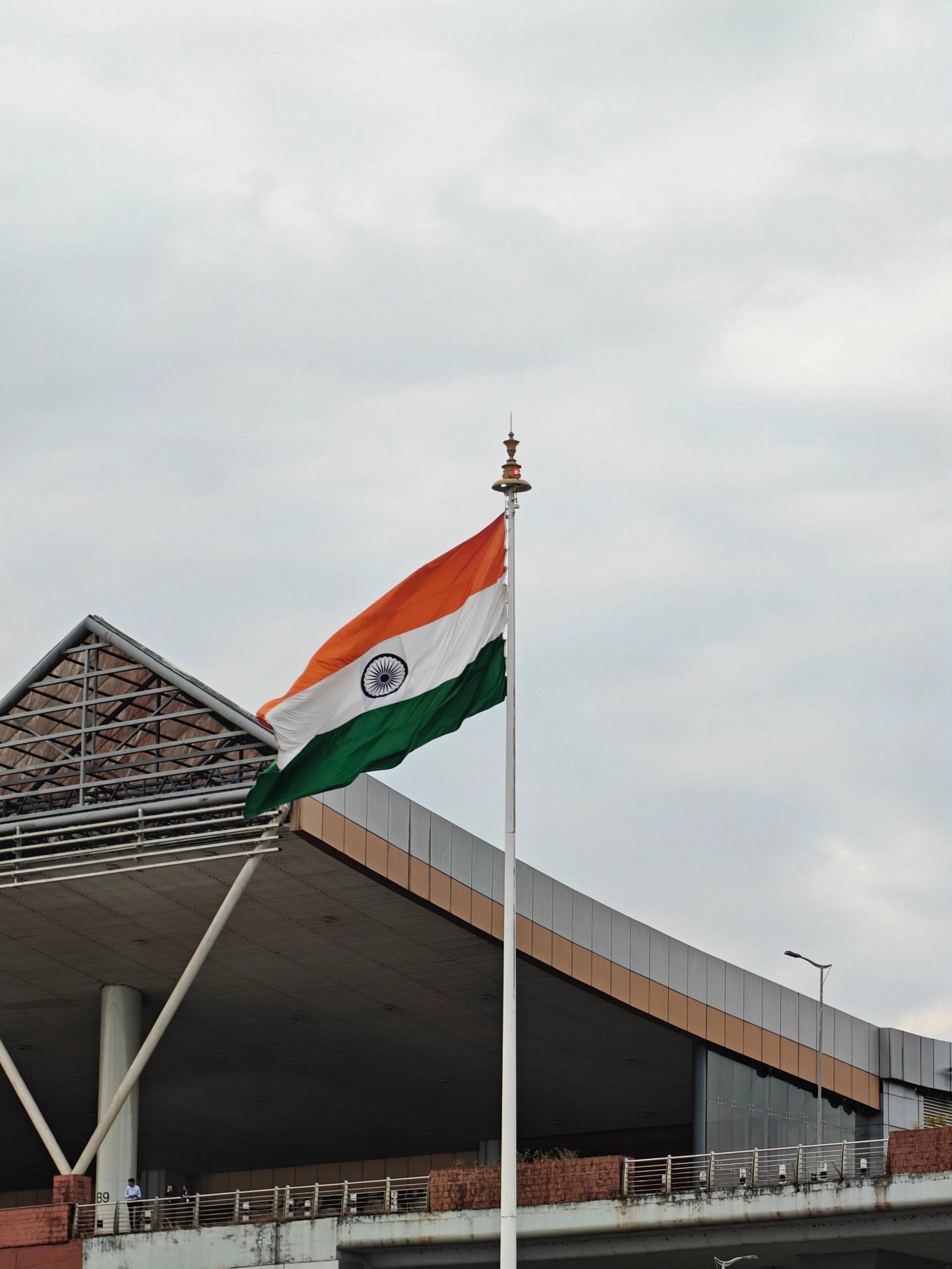
The Indian Embassy in Abu Dhabi and the Indian Consulate in Dubai were filled with record crowds of Indian expatriates on August 15, 2026, as they gathered to celebrate India’s 80th Independence Day. The milestone anniversary, which fell on a Saturday holiday, brought out families and individuals in large numbers. Community competitions held in the run-up to the day meant several families arrived specifically to receive prizes, while attendees waved flags and dressed in tricolour outfits to mark the occasion.
The celebrations at both the Embassy and the Consulate began with a rendition of Vande Mataram, honouring 150 years since the patriotic song was written, followed by flag-hoisting ceremonies and the singing of the national anthem. Indian Ambassador to the UAE Dr Deepak Mittal unfurled the tricolour at the Embassy in Abu Dhabi, while Consul General of India Dr E. Vishnu Vardhan Reddy hoisted the flag at the Consulate in Dubai. Both diplomats read out excerpts from the Indian President Droupadi Murmu’s Address to the Nation on the eve of the 80th Independence Day.
The Consul General also highlighted improvements to passport and consular services following the Consulate’s transition to a new service provider. He announced that the Consulate had cleared its pendency in both Tatkal and regular passport applications, with normal passport applications being processed within five working days and Tatkal applications being processed the next day. Dr Reddy outlined his broad priorities for the tenure ahead, including consular and passport services, strengthening India-UAE relations, cultural integration, and commercial engagement and investment partnerships.
The large turnout of Indian expats at the celebrations highlightd the strong ties between India and the UAE. The Indian community in the UAE, which numbers over 4.5 million, is a significant factor in the India-UAE Comprehensive Strategic Partnership. The partnership has led to sustained momentum in trade and investment under the India-UAE Comprehensive Economic Partnership Agreement (CEPA) and expanding cooperation across energy, defence, technology, education, and people-to-people ties.
In his remarks, the Ambassador conveyed the greetings of the Government of India to the Indian community in the UAE and highlighted India’s transformative journey over the past eight decades. He also underlined the collective national resolve to realise the vision of a Viksit Bharat by 2047. The celebrations at the Indian Embassy in Abu Dhabi and the Consulate in Dubai served as a living bridge between India and the UAE, fostering greater understanding and cooperation between the two nations.

Up to AED 50,000 Music License Fee Starts Dec 1 2026
AED 50,000 Annual Music Licence Required for UAE Venues from Dec 2026
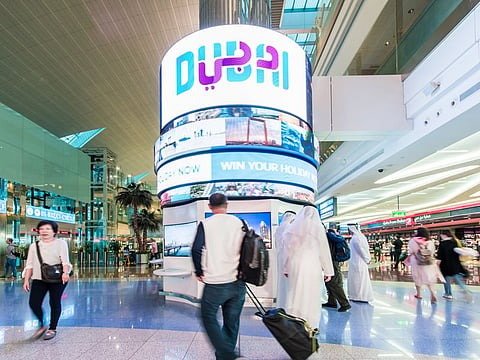
Effective 1 December 2026, the UAE Ministry of Economy and Tourism will require every commercial venue to hold an annual licence to play copyrighted music, with fees that can climb to AED 50,000.
Who needs the licence
The rule covers any establishment that offers music to the public, restaurants, cafés, hotels, nightclubs, shopping centres and any other venue that streams or broadcasts music inside the UAE.The Ministry’s Collective Management in Music Guide does not spell out a step‑by‑step application process, so businesses should watch for further instructions from the Ministry of Economy and Tourism on how to register and pay the fee.

P85 Metro Manila Wage Hike Sparks Controversy
Metro Manila Wage Hike: What You Need to Know
The recent approval of a P85 daily wage hike in Metro Manila has sparked controversy, with Filipino workers urging President Ferdinand Marcos Jr. to enforce the increase despite legal challenges from business groups. The National Capital Region Tripartite Wages and Productivity Board approved the wage hike on June 23, which the government called a "historic increase." However, two construction companies with billion-peso government infrastructure contracts, along with the Alliance of Philippine Fishing Federations Inc., have petitioned a court for a stay of the hike's implementation, arguing that their incomes would substantially diminish if the salary increase were implemented.
The wage hike will be implemented in two tranches: P60 starting July 19, and P25 in January 2027. However, labor unions, such as KMU, have dismissed the increase as "very inadequate" given the rising cost of living driven by runaway inflation. The minimum daily wage in Metro Manila is currently P695, which is way below the recommended P1,250 "living wage." Workers are demanding not only a salary increase but also an end to the Middle East conflict to avert hyperinflation.
Thousands of Filipino workers and activists marched on the streets of Manila towards Malacañang Palace on Friday, International Labor Day, demanding a nationwide wage hike and urgent relief from rising prices of commodities. President Ferdinand Marcos Jr. acknowledged the current difficulties brought about by the hostilities in the Middle East, but workers are urging him to take concrete action to address their concerns.
For Filipino workers in Metro Manila, the wage hike is a crucial step towards addressing the rising cost of living. However, with the legal challenges from business groups, it remains to be seen whether the increase will be implemented as approved. The controversy surrounding the wage hike highlights the need for a balanced approach that takes into account the interests of both workers and employers.
In the meantime, workers will have to wait and see how the situation unfolds. The P85 daily wage hike may be a historic increase, but for many Filipino workers, it is still inadequate given the surging inflation and living costs. As the situation continues to evolve, one thing is clear: the fight for fair wages and better working conditions is far from over.

iPhone 18 Leak: 6 New Models Found in iOS 27 Beta
iPhone 18 Lineup and Foldable Phone Details Emerge from iOS 27 Beta
Apple's iOS 27 Beta 5 code has revealed hints about the upcoming iPhone 18 lineup, including references to six unannounced iPhone models. According to reports, these models include the iPhone 18, iPhone 18 Pro, iPhone 18 Pro Max, iPhone 18e, iPhone Ultra, and a second-generation iPhone Air. The mentions were found in system files tied to battery drivers and battery intelligence features, with codenames V62 to V69 corresponding to each device.
The discovery of these codenames in the iOS 27 beta code is significant, as it suggests that Apple is indeed working on a new lineup of iPhones, including a foldable model. Reports indicate that Apple's foldable iPhone display is set to enter mass production in July, which aligns with the typical product cycle for a September launch. This timing suggests that the foldable iPhone could be unveiled alongside the iPhone 18 Pro lineup in the fall.
The iPhone 18 lineup is expected to include a range of models, each with its own unique features and specifications. While Apple has not confirmed any of these devices, the beta references are described as some of the strongest hints yet about the company's next iPhone lineup. As the launch date approaches, fans and enthusiasts will be eagerly awaiting more information about the new iPhones and their features.
The news of the iPhone 18 lineup and foldable phone has generated significant interest and excitement among tech enthusiasts. With the possibility of a fall rollout, Apple fans will be keeping a close eye on the company's announcements and updates in the coming months.
In relation to previous news, this development follows a pattern of Apple revealing details about upcoming products through software updates. The discovery of the iPhone 18 lineup and foldable phone details in the iOS 27 beta code is a significant finding, and it will be interesting to see how the company's plans unfold in the coming months.

UAE ADNOC Vessel Attack Condemned
UAE Condemns Attack on ADNOC Vessel in Strait of Hormuz
The UAE has strongly condemned an attack targeting an ADNOC commercial vessel in the Strait of Hormuz. Local authorities and the UAE Ministry are affected by this incident, as it highlights mounting concerns over maritime security and navigation safety in critical regional shipping lanes. The attack has raised alarms about the safety of commercial vessels in the region.
Iran's actions in the Strait of Hormuz have significant implications for the UAE's shipping industry and the global energy market. The UAE's condemnation of the attack is a clear indication of its commitment to defending freedom of navigation and safeguarding vital commercial energy corridors.
The incident occurred on August 15, 2026, in the Strait of Hormuz, a critical shipping lane that connects the Persian Gulf to the Arabian Sea. This is not the first incident of its kind, as there have been previous attacks on commercial vessels in the region, highlighting the need for increased maritime security measures.

US Iran economy squeezed
US Pledges to Intensify Economic Pressure on Iran
The United States has vowed to squeeze Iran's economy to its absolute limits through intensified sanctions and financial restrictions. This move is part of a broader strategy to suppress Iran's financial revenues and diminish regional security threats. The US government is taking this step amid heightened geopolitical tensions and security concerns in the Middle East.
The announcement affects Iran's economy directly, as the country faces increased financial pressure from the US and its allies. Iran's government and businesses will likely feel the impact of these sanctions, which could limit their access to international markets and financing.
At least 20 people were killed in an earthquake off Indonesia, while Trump stated the Strait of Hormuz will be a 'territory' of the US, but these events are separate from the US sanctions on Iran.
This development follows a series of events that have heightened tensions between the US and Iran, including attacks on vessels in the Strait of Hormuz. The US has been working to build a coalition to counter Iran's influence in the region, and these sanctions are a key part of that effort.
The US sanctions on Iran are part of a long-standing policy of economic pressure on the country, which has been in place for several years. The US government has imposed numerous sanctions on Iran, targeting its energy, financial, and military sectors.