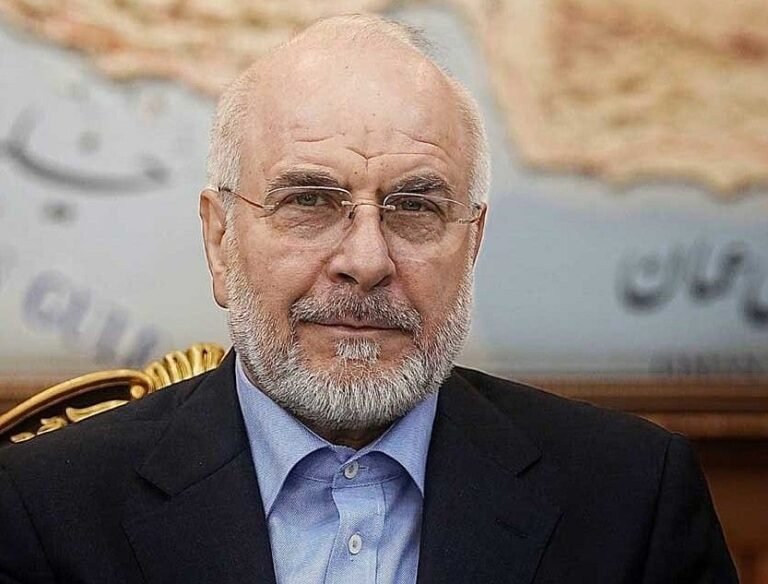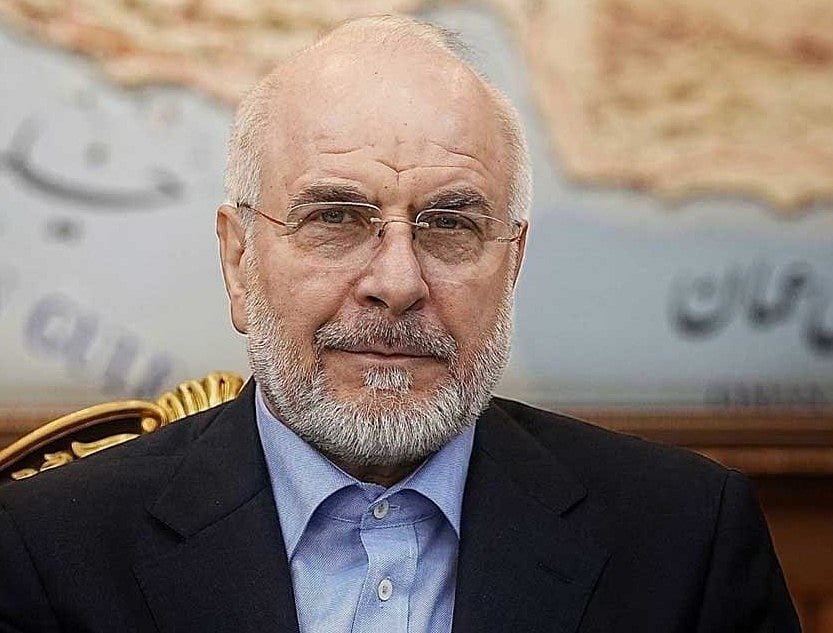
Iranian Parliament Speaker Mohammad Bagher Ghalibaf said on 22 November 2026 that Iran cannot remain indefinitely in a state of "neither war nor peace" with the United States. "If we do not want the current situation to continue, we must remove the threat from our country," he said, adding that this can only be achieved through "sustainable deterrence."
Ghalibaf rejected the argument that negotiation amounts to surrender and that backing military resistance means wanting war. He said Iran needs conditions in which it cannot easily be attacked again, and that the only way to end the threat of war is to remove the underlying security threat against the country.
He had used the same formula a week earlier. On 15 November 2026 Ghalibaf told a parliamentary session that Iran "will not remain in a state of neither war nor peace" and that an agreement remained possible if Washington accepted Iran’s seven conditions. He added that any further US military action would be answered by a response whose geographic scope Iran’s armed forces would decide.
The seven conditions were set out in an interview published on 11 November 2026, in which Ghalibaf described Iran’s demands as including the lifting of the US naval blockade and sanctions, the release of frozen Iranian funds and an end to the war. In the same interview he said the Strait of Hormuz would "never return" to its status before the US-Israel war on Iran.
| Date | What Ghalibaf said |
|---|---|
| 11 November 2026 | The Strait of Hormuz will "never return" to its pre-war status; Iran’s seven conditions include lifting the naval blockade and sanctions, releasing frozen funds and ending the war |
| 15 November 2026 | Iran will not remain in a state of "neither war nor peace"; a deal is possible if the US accepts the seven conditions |
| 22 November 2026 | The threat must be removed through "sustainable deterrence"; negotiation is not surrender |