HK$600 Million Share Buy Signals Jack Ma's Return to Alibaba's AI Push
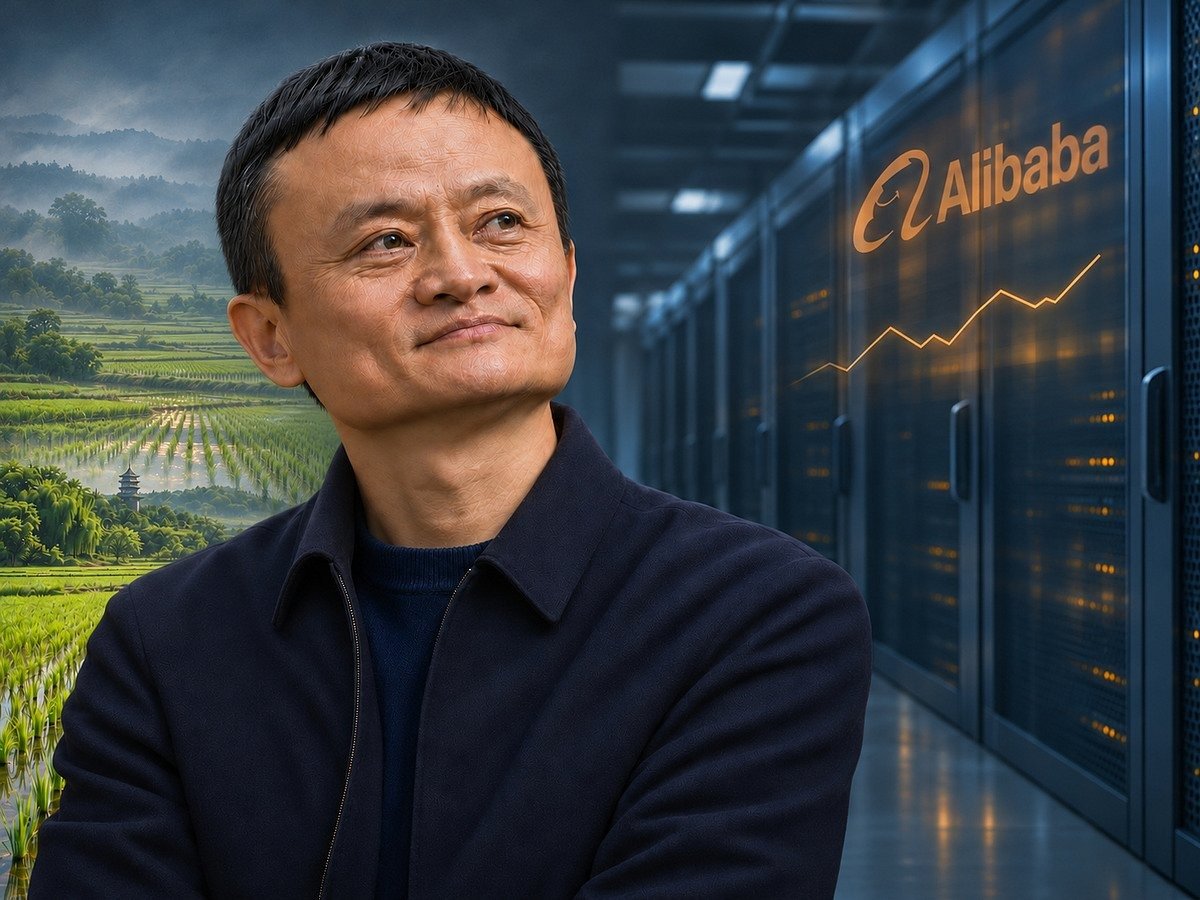
Alibaba co-founder Jack Ma bought more than HK$600 million ($76.5 million) worth of Alibaba shares, backing the tech giant’s major push into artificial intelligence and cloud infrastructure. The purchase coincided with Alibaba raising HK$80 billion to fund data centres and expanded computing capacity.
Financial backing from its co-founder comes alongside operational acceleration in the enterprise division. On November 19, Alibaba reported that revenue from its AI cloud and computing business increased 53 per cent for the quarter ending September. Sales to external customers within the same unit expanded 64 per cent.
Regulatory Restructuring and Corporate Governance
The equity deployment marks a distinct shift from years of quiet retreat following the regulatory intervention of 2020. On October 24, 2020, Ma delivered a speech at Shanghai’s Bund Summit criticizing traditional Chinese banks for operating with a “pawnshop” mentality. Ten days later, and just two days prior to scheduled trading, the Shanghai Stock Exchange suspended Ant Group’s planned debut. The dual-listing in Shanghai and Hong Kong would have raised approximately $37 billion, making it the largest initial public offering on record.
Subsequent regulatory enforcement reshaped both corporate entities. China’s market regulator imposed an 18.2 billion yuan ($2.75 billion) fine on Alibaba in April 2021 for anti-competitive merchant practices. At Ant Group, a structural overhaul in January 2023 stripped Ma of voting control, reducing his voting rights from over 50 per cent to roughly 6.2 per cent, followed by a 7.1 billion yuan fine levied on Ant by authorities that July.
Despite losing legal control of Ant, the operator of Alipay, which logged 118 trillion yuan in mainland payment volume in the year to June 2020, Ma retains structural leverage within Alibaba itself. He maintains a seat on the five-member committee of the Alibaba Partnership, a governing body empowered to nominate a majority of the corporate board alongside chief executive officer Eddie Wu.
Infrastructure Expansion Versus Structural Risk
The financial case for Alibaba relies on measurable infrastructure demand. Revenue expansion of 53 per cent in AI cloud services demonstrates client uptake, while the HK$80 billion capital buildout establishes physical capacity for data-intensive processing. Ma’s direct equity investment aligns founder capital with this specific corporate expansion.
The operational backdrop, however, carries concrete structural limits. Ma no longer holds controlling voting rights at Ant Group, and regulatory frameworks governing financial technology and merchant platform practices remain tightly enforced following billions of dollars in historical fines. While Ma retains board-nomination influence via the five-member partnership committee, overall corporate decision-making operates within a heavily restructured governance framework under executive leadership.