Why Jebel Ali Port Isn't Being Replaced by Fujairah's New Terminals
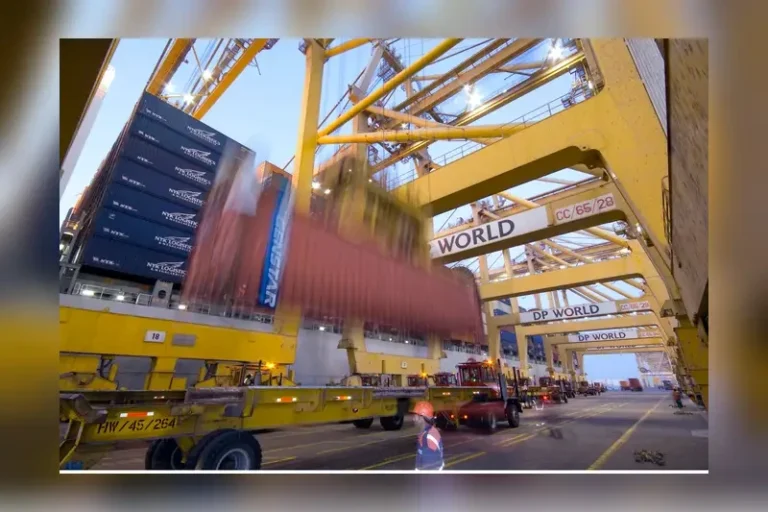
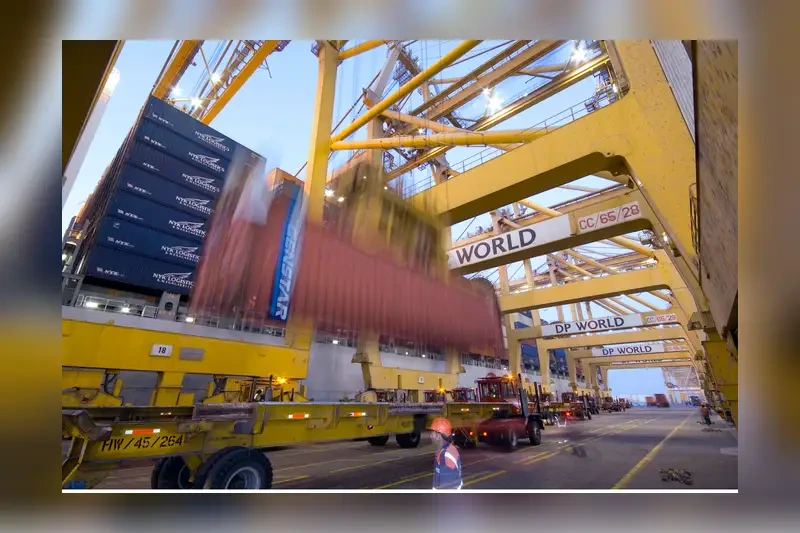
Down along the massive docks of Jebel Ali Port and the neighboring Jebel Ali Free Zone, where nearly 12,000 companies keep daily operations humming, the local shipping rhythm hasn’t skipped a beat despite regional headlines.
Port Operations and Regional Logistics Stay Steady
DP World‘s leadership has made it clear that while two new east coast terminals are taking shape in Fujairah, they aren’t here to take over Jebel Ali’s crown. Ahmad Yousef Al-Hassan, chief executive officer and managing director for the GCC, confirmed during a media briefing that the Al Rugaylat container and Dibba General Cargo Terminal will serve strictly as operational alternatives following recent disruptions in the Strait of Hormuz. Replicating Jebel Ali’s sheer scale, housing the world’s largest man-made harbour, linking 150 global ports, and handling 19.4 million Twenty-foot Equivalent Units annually, would take another 40 to 50 years.
Meanwhile, construction on the east coast is moving quickly under a 50-year concession with the Fujairah Ports Authority. Al Rugaylat is slated to handle up to 2.5 million TEUs, 1.7 million tons of general cargo, and 190,000 Car Equivalent Units, while Dibba will add up to 3.6 million tons of annual general cargo capacity. Both sites are expected to be fully operational within the next 18 to 24 months. Despite regional pressures since the war began on February 28, Jebel Ali has faced just six hours of closure and stayed open to global trade.
As DP World’s global revenues climbed 13.1 percent to $12.7 billion in