US-Brokered Lebanon-Israel Deal Aims for Sovereignty and Security
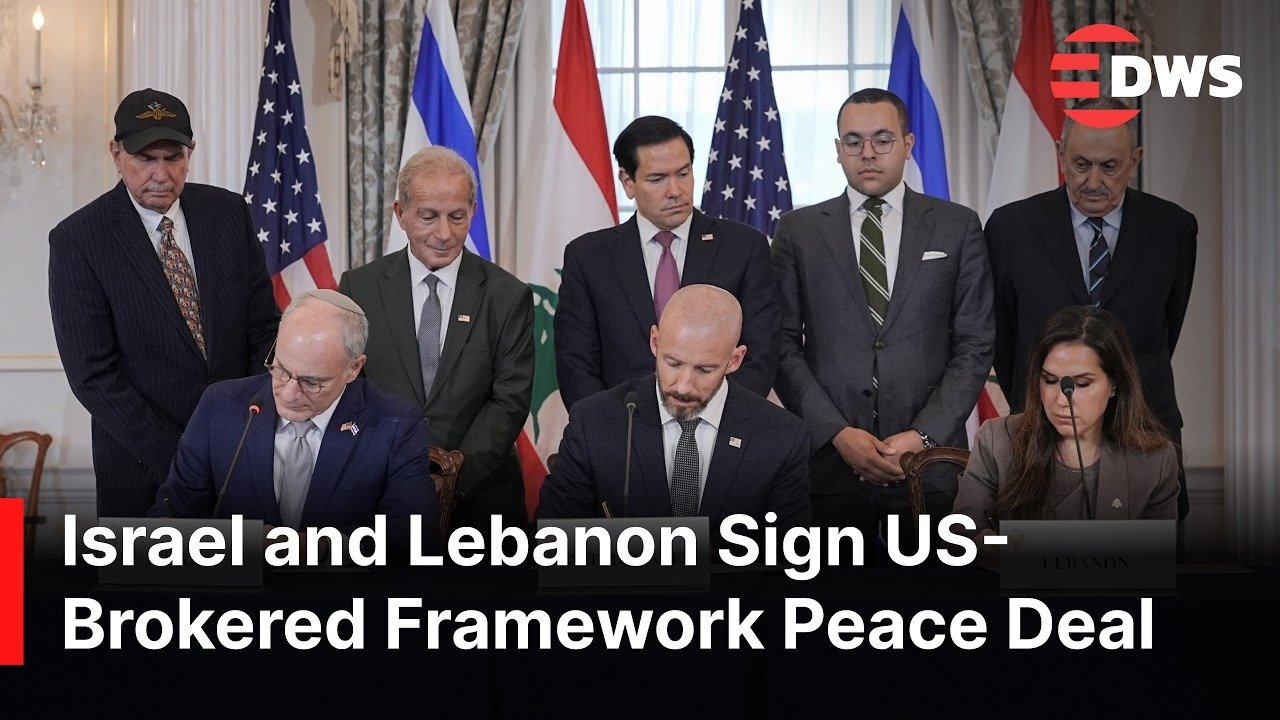
Lebanon and Israel signed a US-brokered framework agreement on June 26, 2026, alongside the United States, aimed at restoring Lebanese sovereignty and reducing Hezbollah activity. The framework includes a phased Israeli withdrawal and security coordination intended to lower cross-border tensions and support longer-term regional stability.
The U.S.-mediated framework agreement does not include Hezbollah as a party to the deal, despite the accord’s stated aim of supporting Lebanese sovereignty and reducing border tensions..
The US-brokered framework agreement between Lebanon and Israel marks a significant step towards de-escalation in the region. By pairing security coordination with a staged withdrawal mechanism, the deal aims to reduce the risk of renewed border clashes.
The deal explicitly links sovereignty and security outcomes to curbing armed non-state activity, a central fault line in Lebanon’s internal politics and Israel’s border-security doctrine.
The framework agreement is designed as a structured pathway to de-escalation rather than an immediate final-status peace treaty. The key elements of the agreement include a phased Israeli withdrawal, intended to create measurable milestones, and security coordination, meant to manage incidents, verification, and communication channels that can prevent escalation.
The United States’ role in brokering the deal highlights its continued involvement in Middle East diplomacy, particularly in regards to the complex relationships between Lebanon, Israel, and other regional actors.